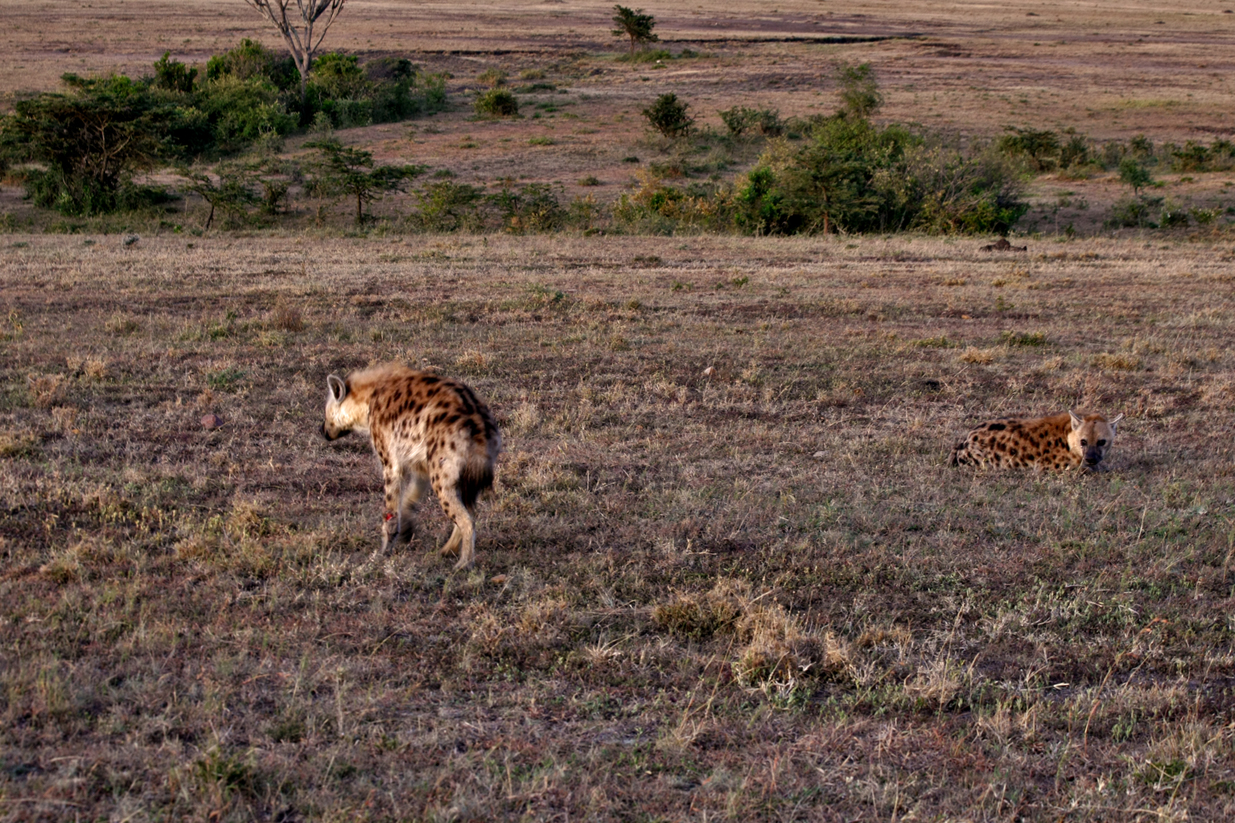
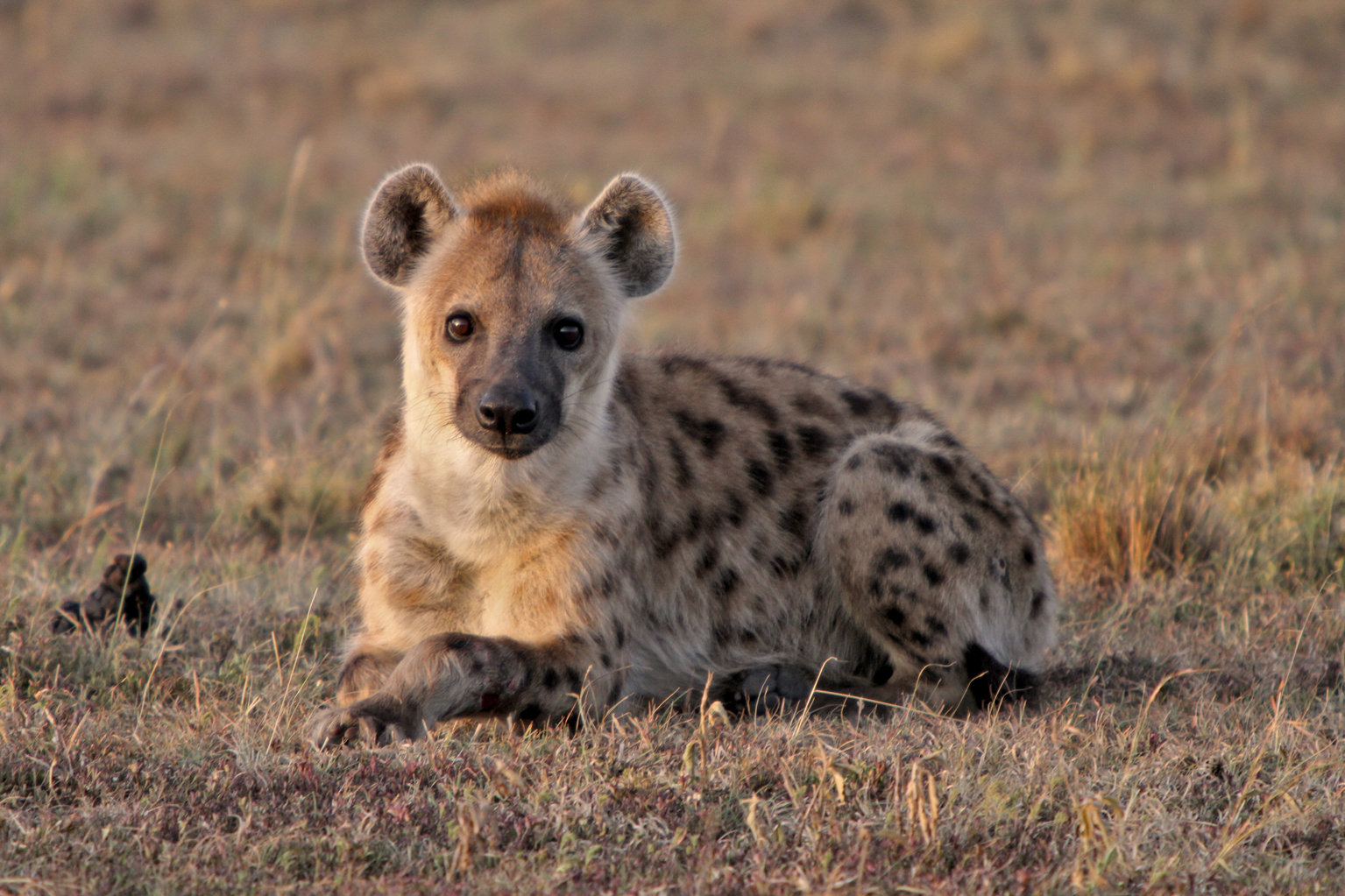
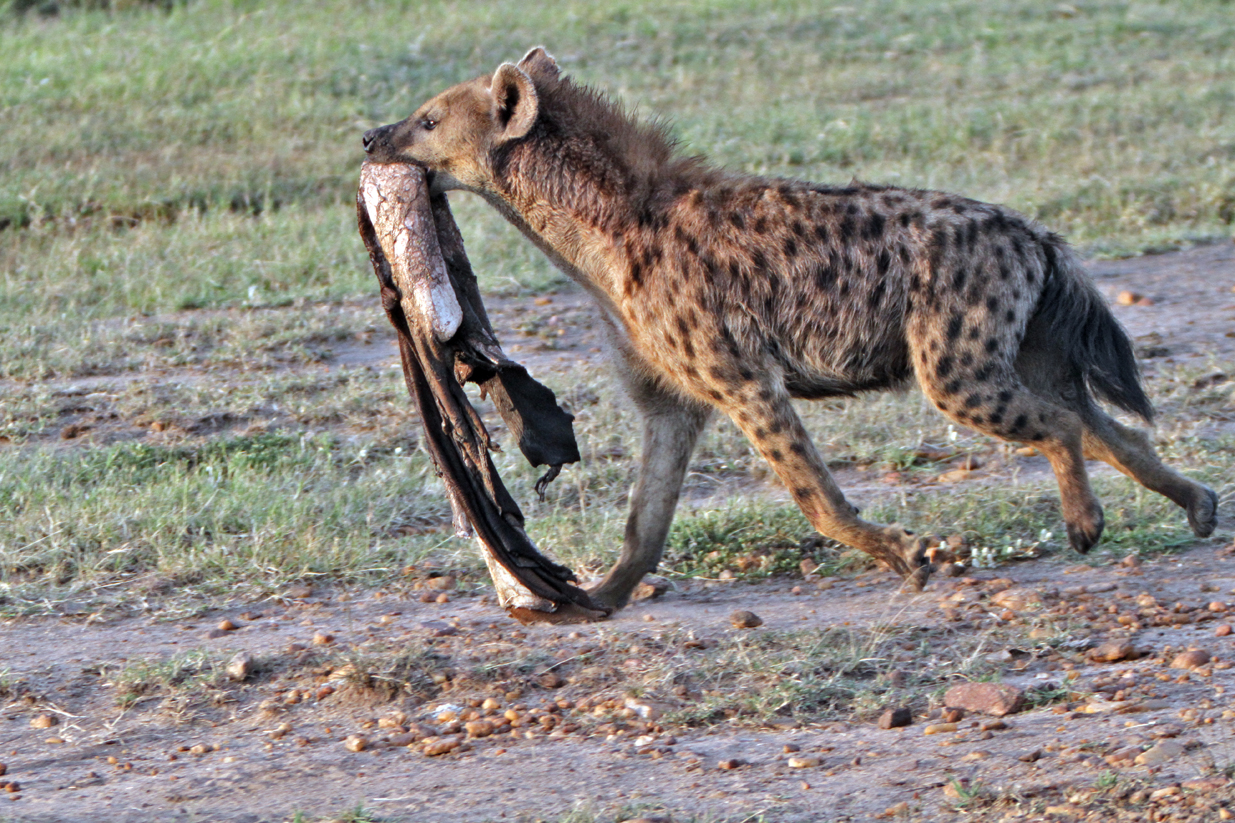
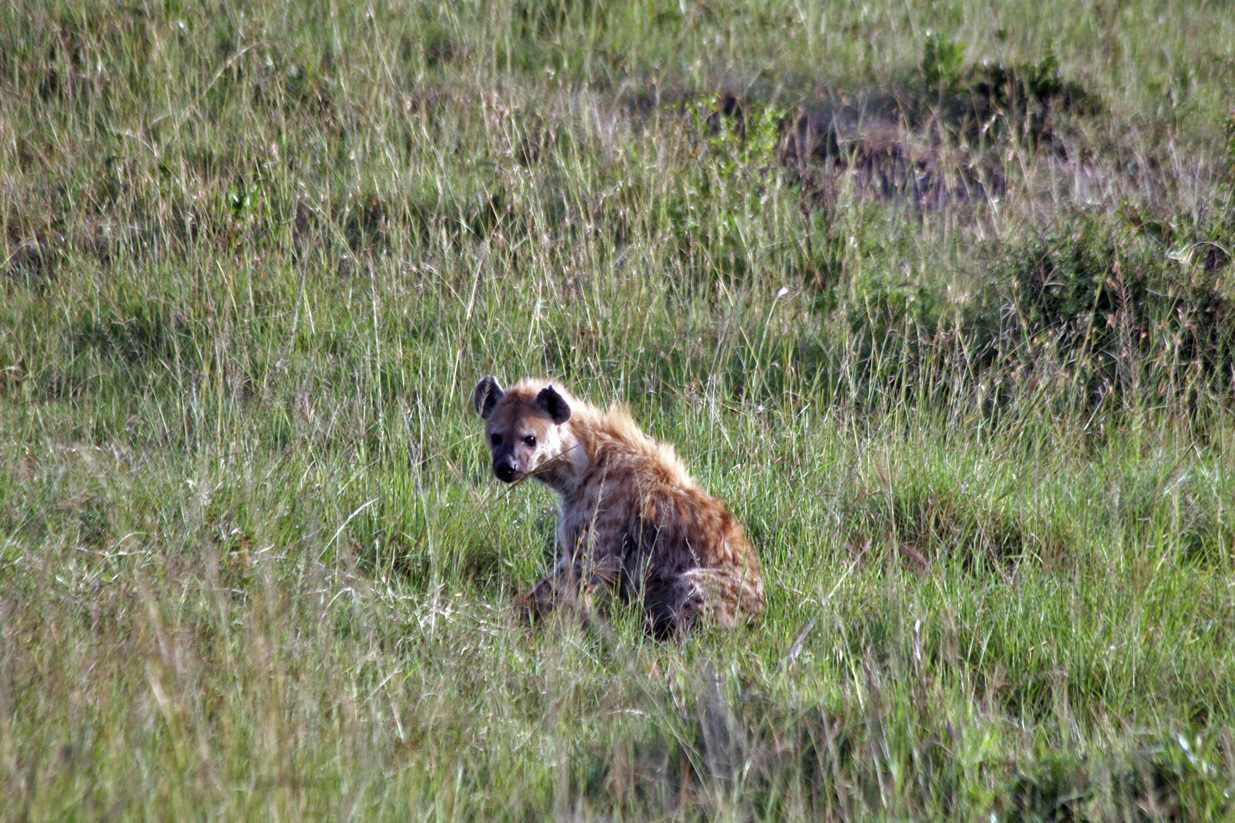
As we leave camp this morning, cross the small river and enter the park we are met with two Hyena bathed in the golden light of early morning, a lovely start to the day. You cannot look at the photo of this hyena and not think they are just lovely. I believe Hyena have a bad reputation just because they are scavengers and although this is largely true, they are also skilled hunters and when working in a pack can take down wildebeest or antelope. Unfortunately, they also try to kill the Maasai livestock causing human / wildlife conflict.
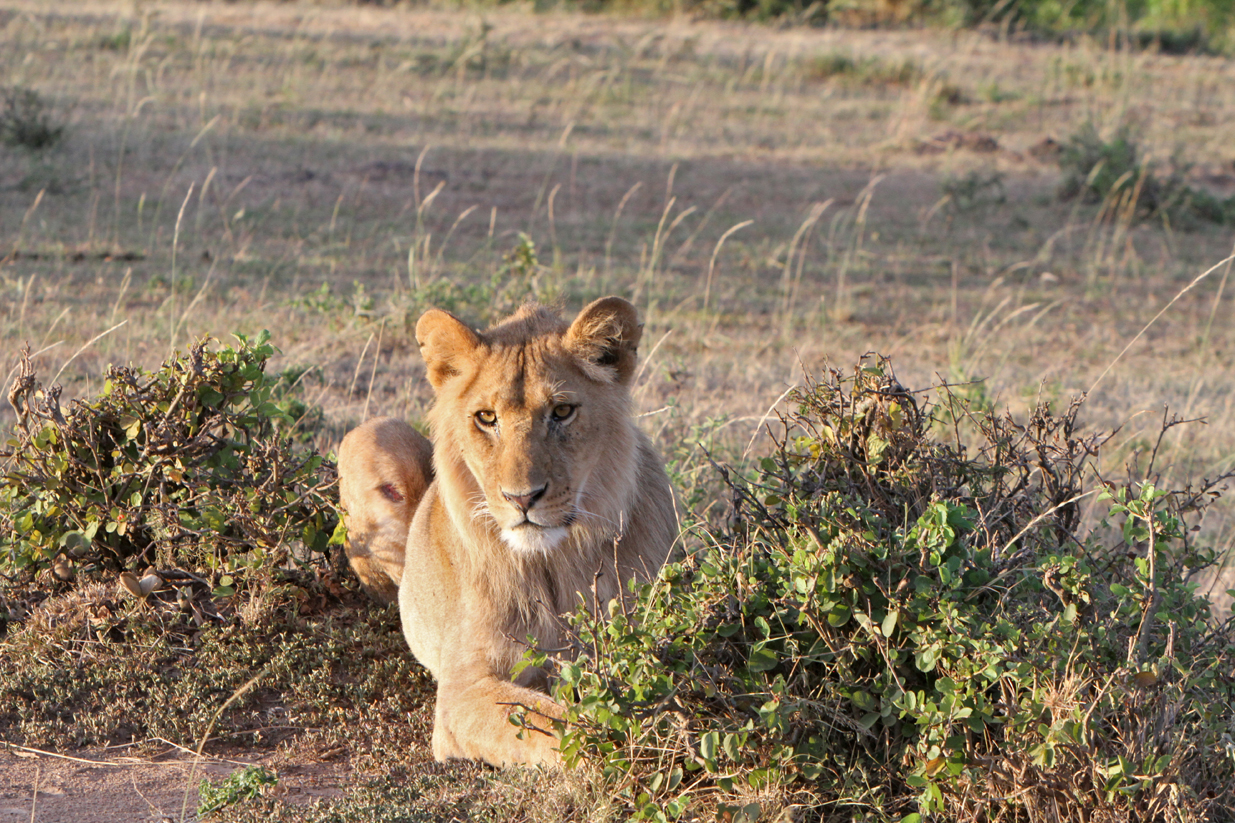
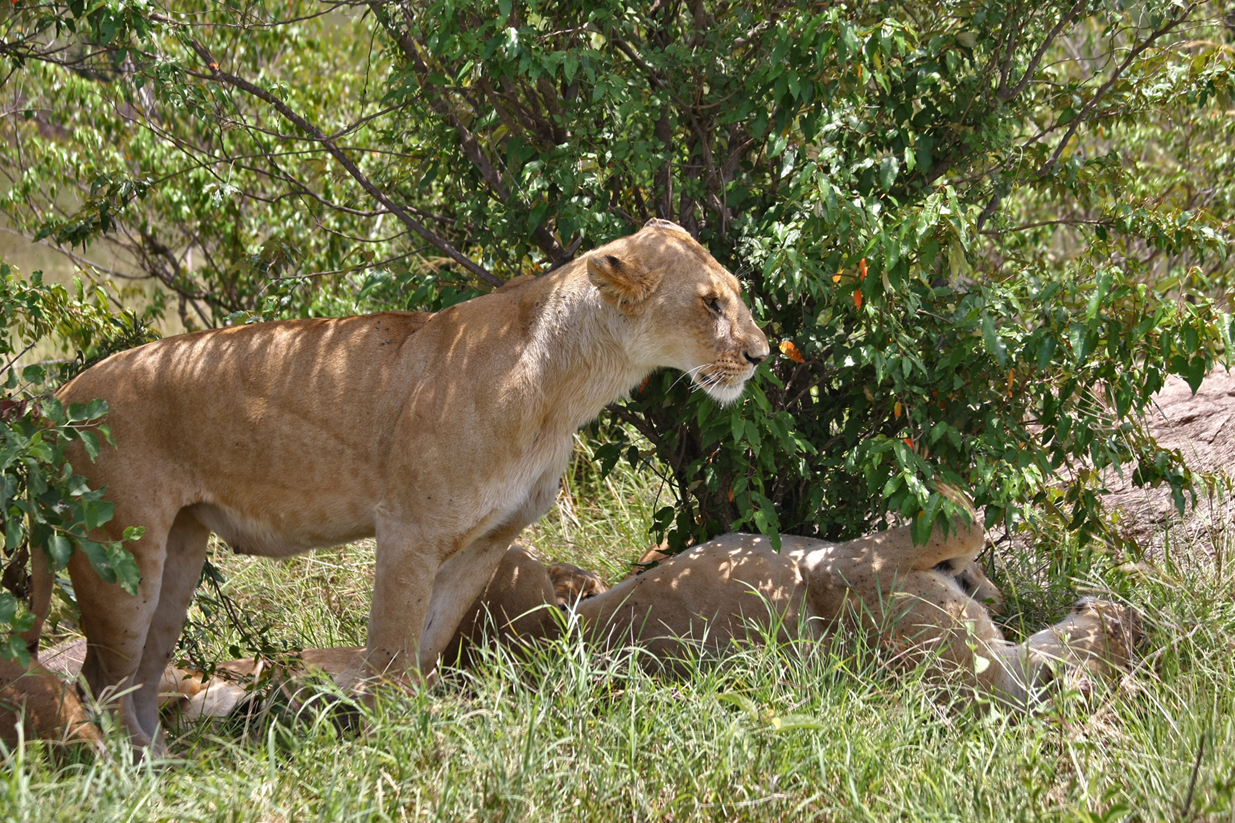
Part of the Sopa pride are again not far from our camp. We meet just four of them, two females and two young males. They are relaxing until one of the females spots a warthog. She walks over and hides herself behind a bush to get a better look and the two young males follow her, although the warthog is quite a distance away, I don’t think he is in immediate danger. The other female looks up as see’s that the others have gone and she doesn’t know where, so she calls out for them, when there is no answering call she gets up, has a little look around and calls again.
We leave them and drive to an area where the other part of the Sopa pride, around twenty of them, were sighted the day before. They were not easy to find.
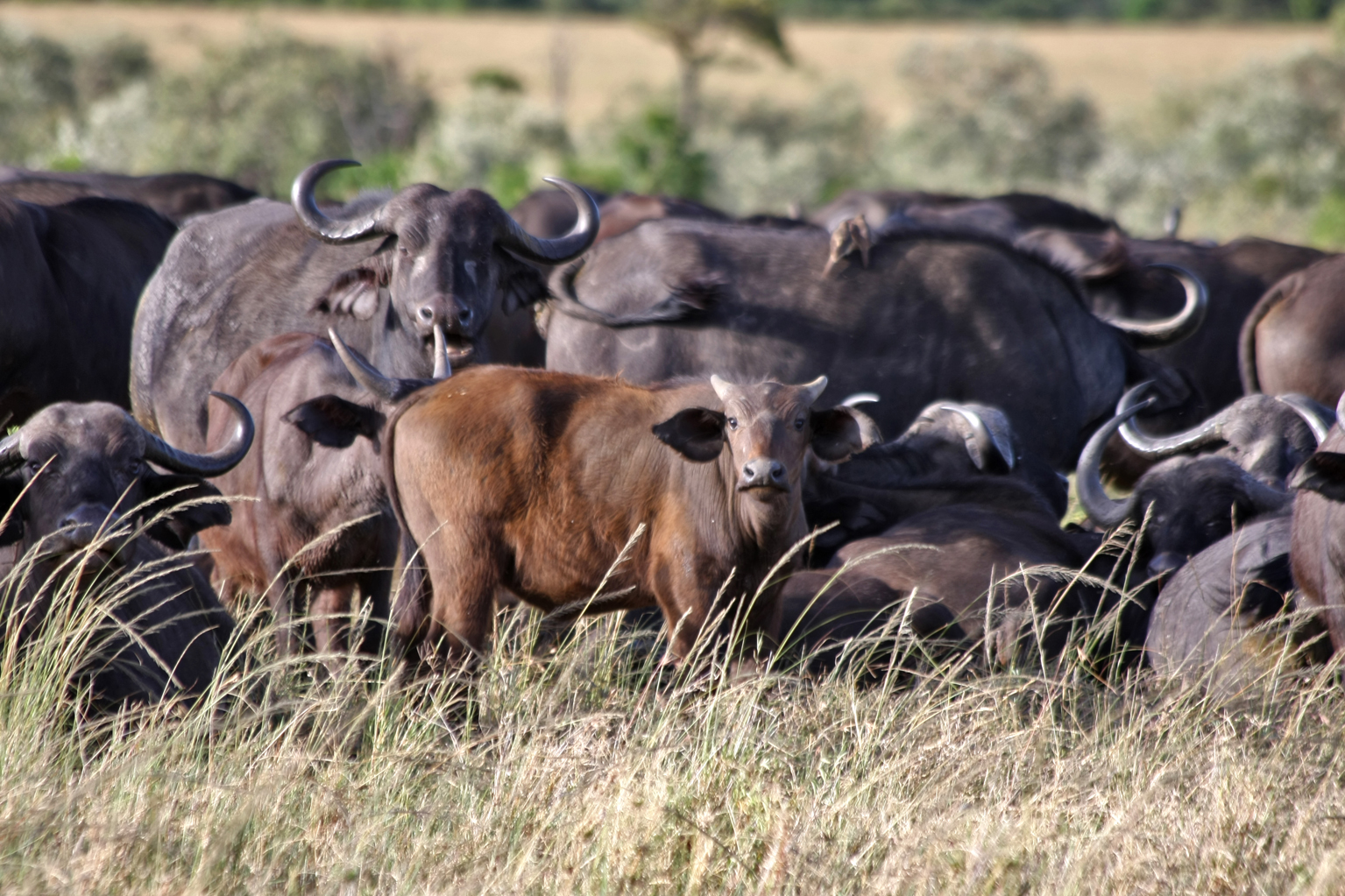
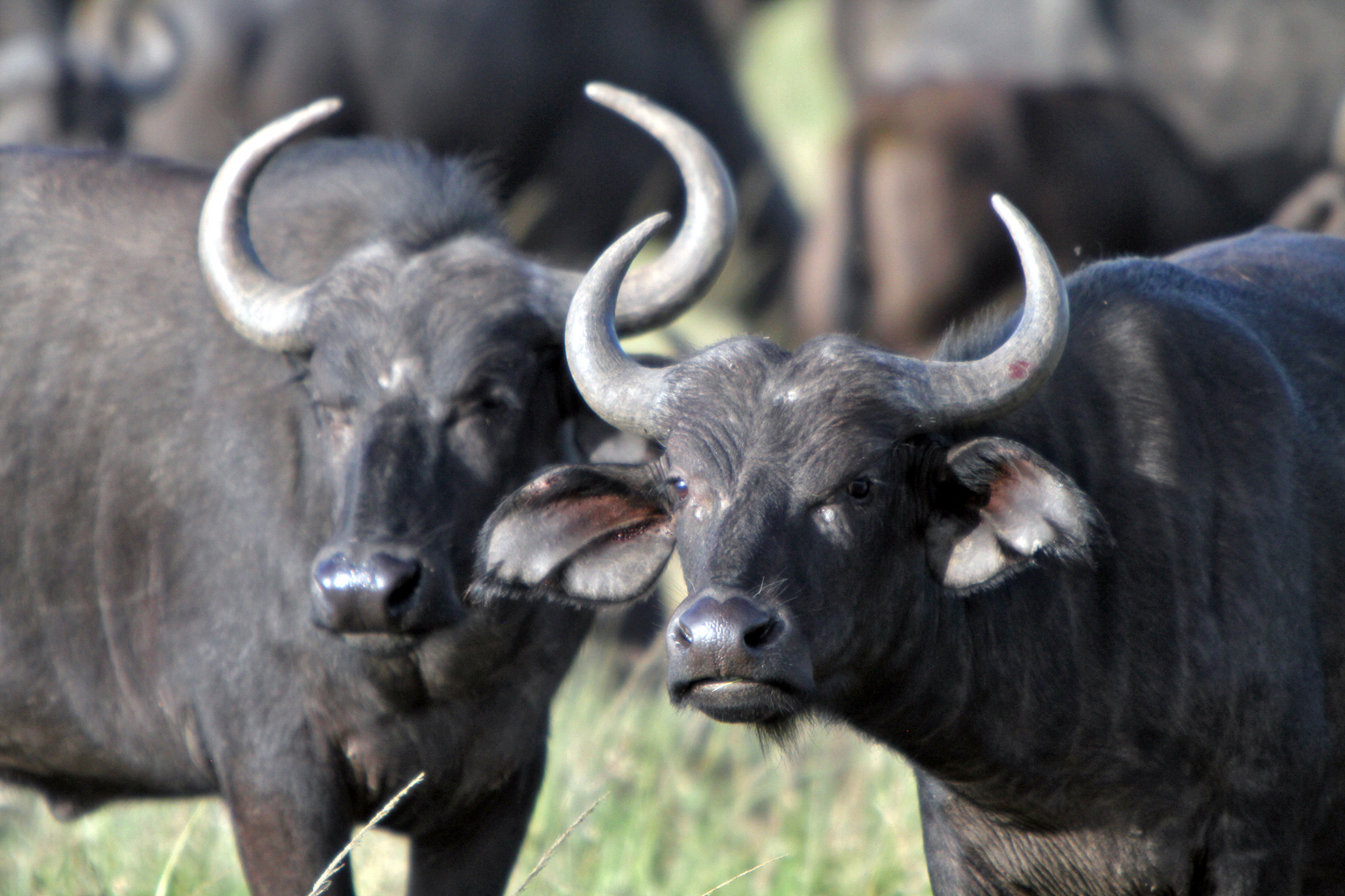
We pass through the middle of a huge herd of buffalo, at least two hundred of them, a mix of families of all ages, the older ones with large horns that meet in the middle forming a hard shield, younger ones whose horns are just forming and babies whose horns are barely visible. When you pass closely to buffalo, they like to stand and stare at you, it’s as if they are indignant that you are even there. The babies stick very close to their mothers, especially when in Lion territory, and they need to, I have seen how lions target the babies, separate them from their mothers and attack them.
We hadn’t gone far when Ken spotted a group of around six or seven warthogs, what was unusual about this group is that they were all young. Warthogs normally stay together in a family group where the young have the protection of the older members, but these were all young with no adult supervising them, this is very dangerous for them, again since they are in lion territory and lions love a warthog snack.
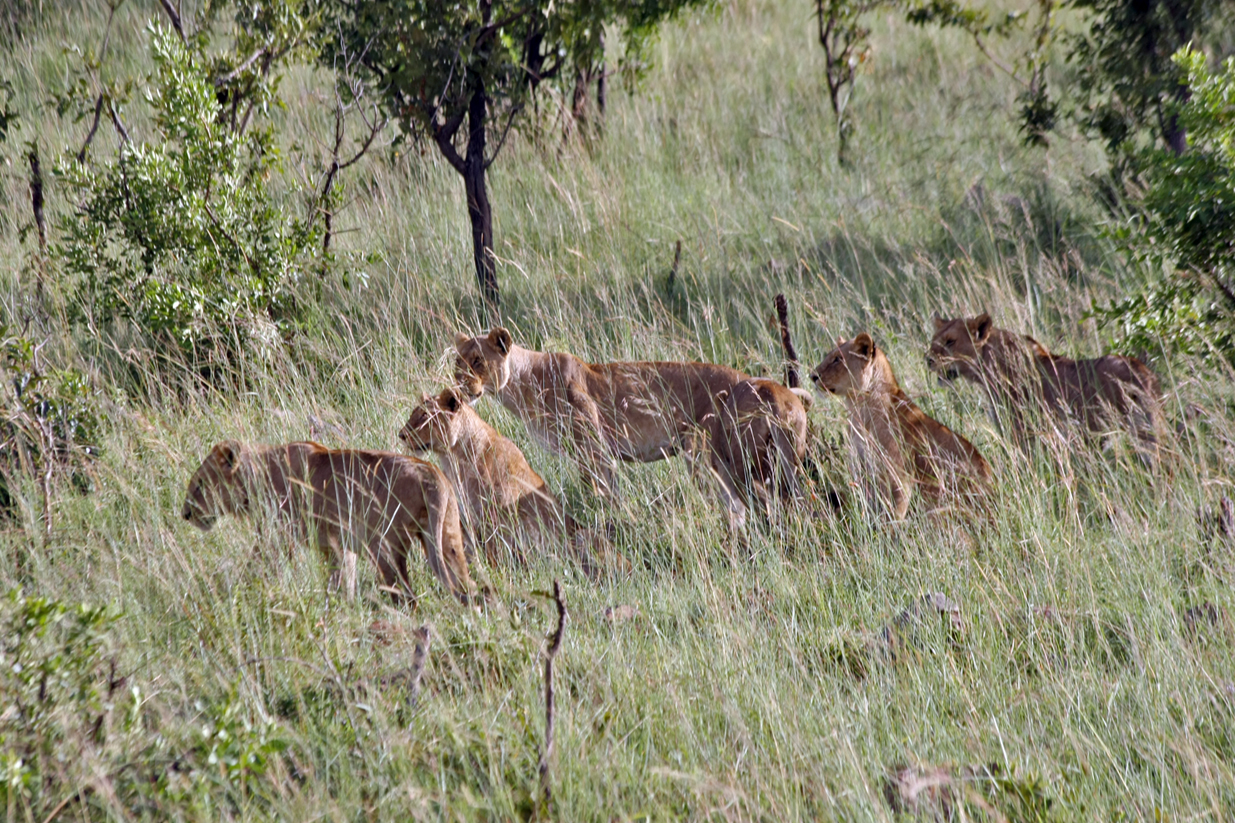
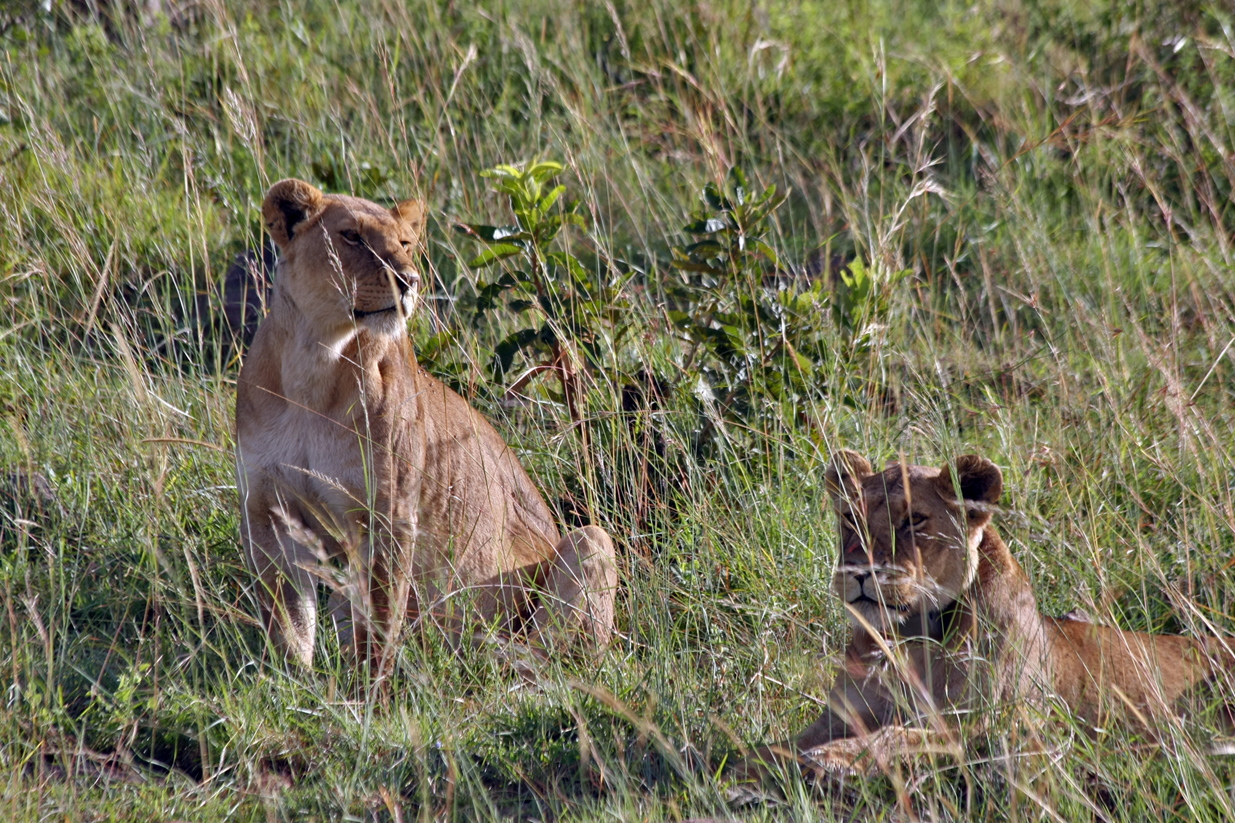
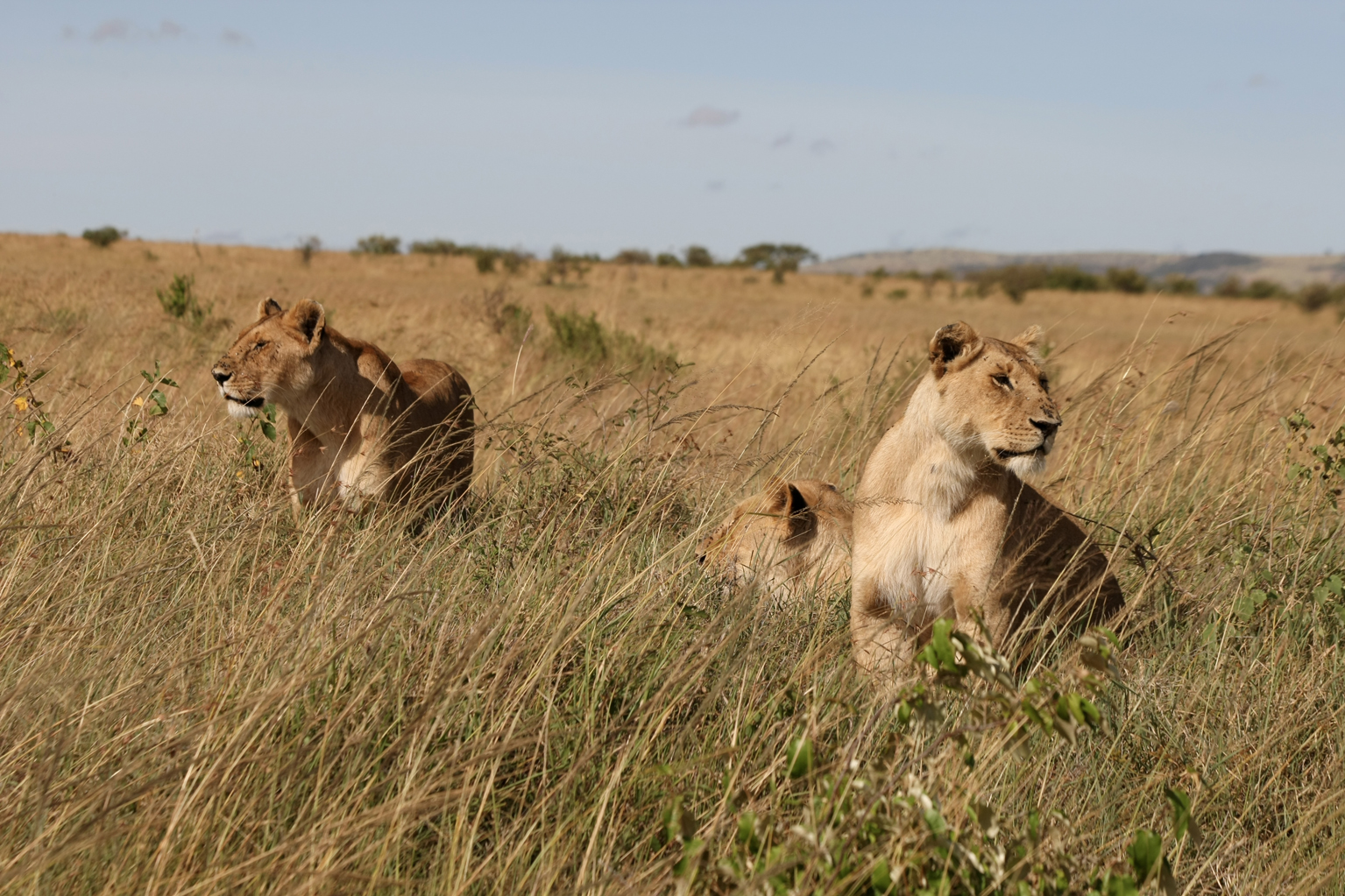
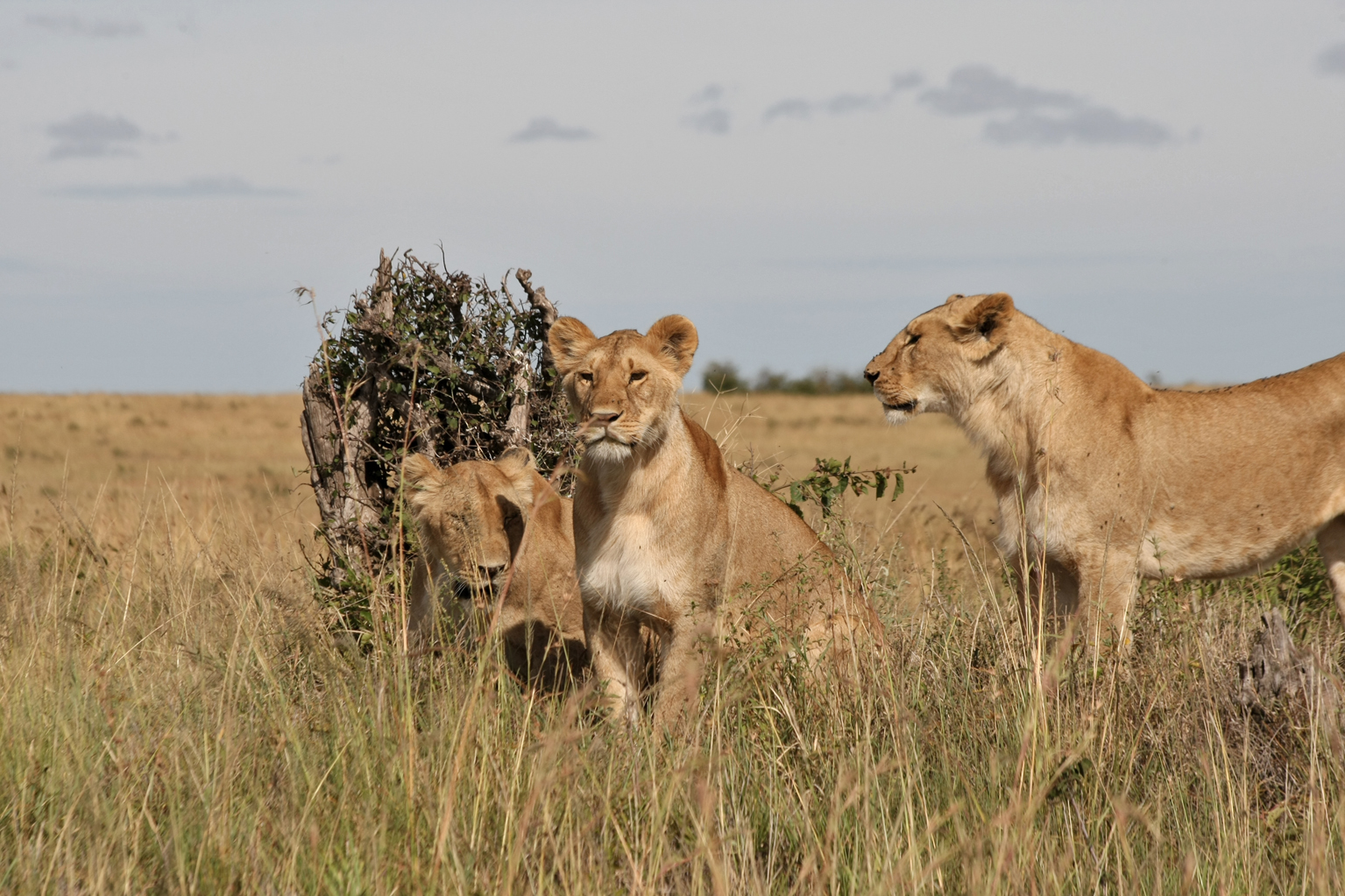
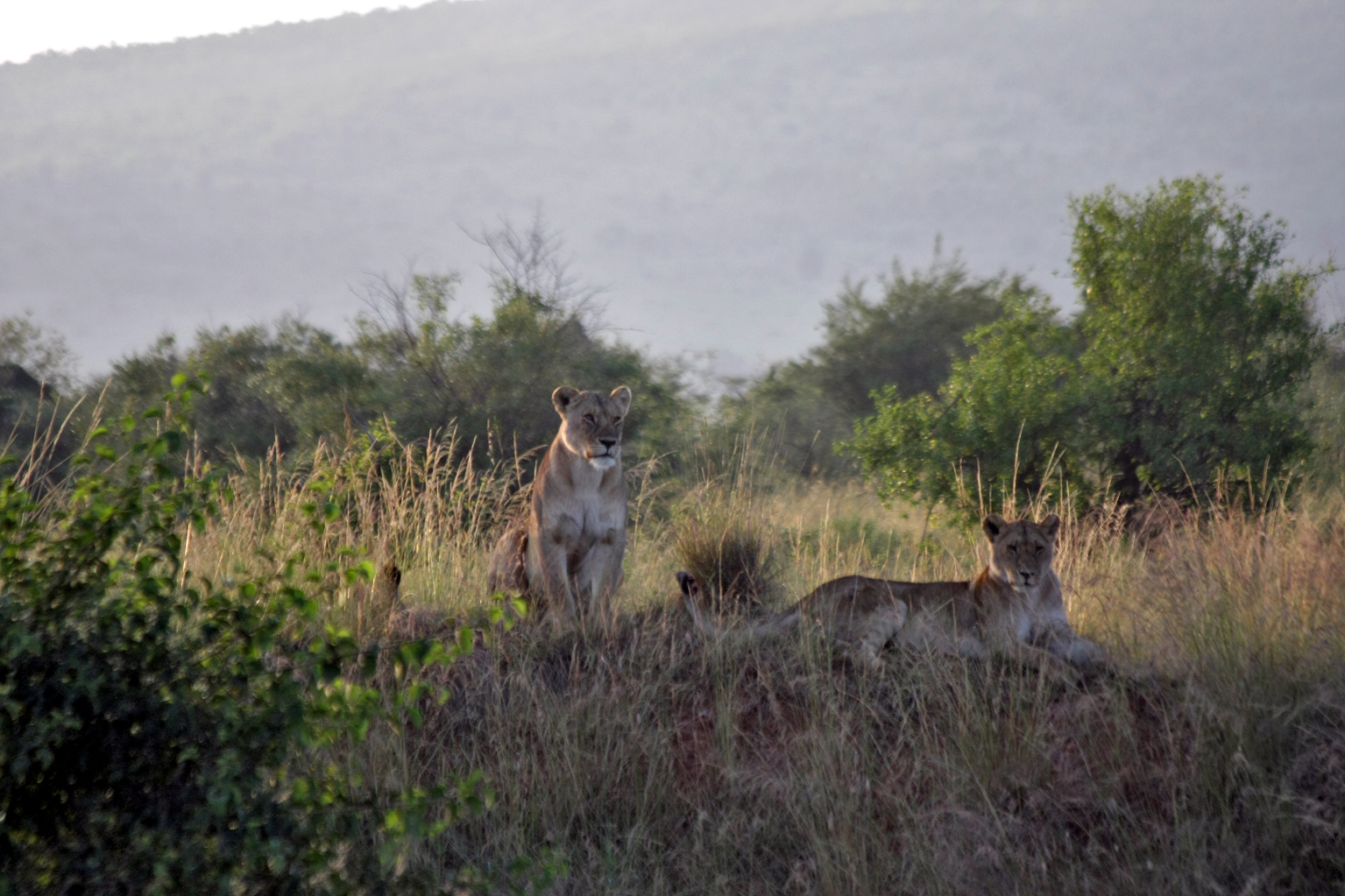
We found some of the pride halfway up a hill surrounded by bushes and long grass, we had to leave the track to get to them and the going was tough. They must have split up overnight as we could only see seven of them, five females and a couple of young males. I was quite excited though, as one of the females was Selegei this is the Senior female of the group, she is easy to recognize as she is collared so that the researchers can follow and check on this large pride, and I hadn’t seen her for a few months now as this part of the pride had crossed over into Tanzania.
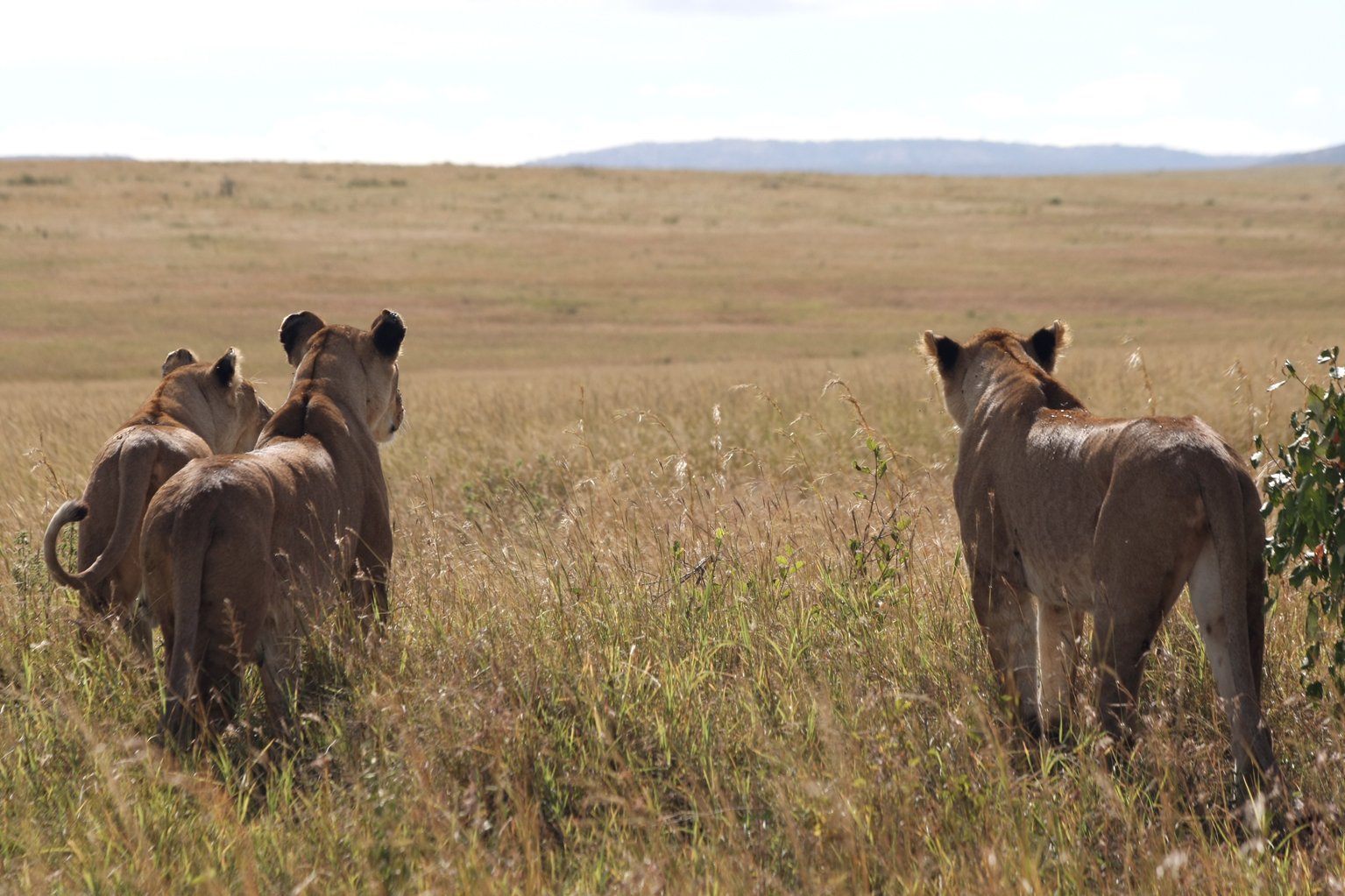
Apart from Selegei and another older female, the younger ones kept sitting up, all looking in the same direction, at what I don’t know as we couldn’t see anything.
We didn’t stay too long with them as we could only do a half day game drive today due to lack of diesel. There is a fuel shortage in Kenya at the moment, of which I am informed is a false shortage due to political reasons that I don’t fully understand.
We decided to go and check on the blackrock pride since they were not too far away. These two prides are neighbours, there territories are very close. As we leave the side of the hill, the track down is very narrow with high sides making it difficult if you need to pass another vehicle, I found this out because we came up behind another safari vehicle that had stopped on the track, the ocupants were looking at something. I stood up to look out, to see what they were looking at, but couldn’t see anything. I asked Alison, ‘what are they looking at?’ He replied, ‘a dung beetle.’ The dung beetle in question was happily rolling a ball of elephant dung along the road, oblivious to the fact that at any minute he may be crushed to death by a passing vehicle. Although dung beetles are fascinating to watch they are not top of the list for a game drive in the Mara!
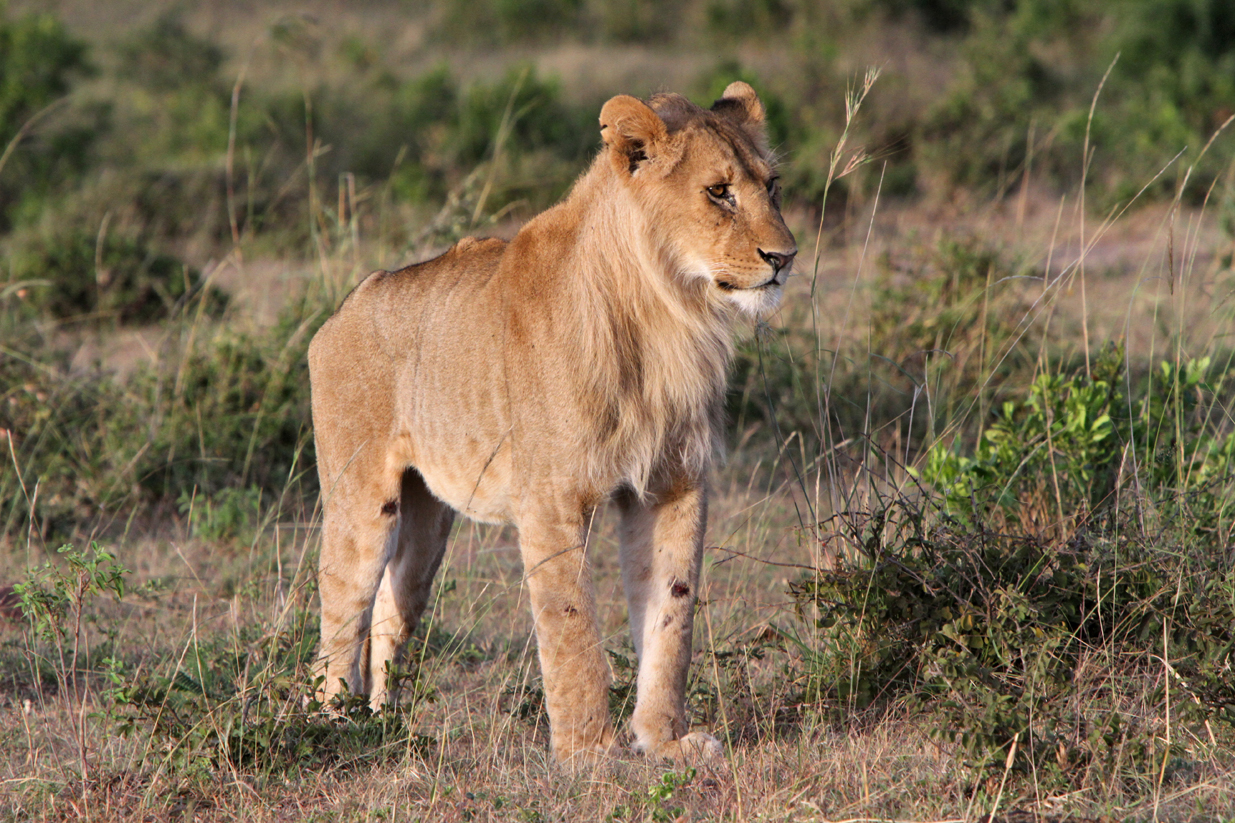
We move into blackrock territory and Alison spots a few lions in the long grass, but at least here the ground is mostly flat. We discover it is four females from the blackrock pride just relaxing. Driving a little further on we come across four young males and a female. These also were relaxing; it is the wrong time of day for them to be very active. One of the young males had got himself into trouble when ventured too close to a snake and was bitten in the eye, you can see the result from the photo.
He’ll probably avoid getting too close to another snake, this was a harsh lesson for him. There were no cubs around so all the cubs have been hidden, there would be no point looking for them as they would be either in a den or in dense bush and could be anywhere within a wide area. There had been a report that Kazuri the leopard had been seen close by so it was decided we would try to see her instead. When we arrived at the banks of a small river where she had been seen our vehicle and two others scoured both sides but to no avail.
On our return journey we saw the four female lions again in the distance. Through the binoculars I could see that they had their sights on a Topi that was not far from our vehicle so we waited to see what would happen. They began their move, walking slowly towards us through the long grass with only their heads visible. The Topi had no idea they were coming for him or her. The Lions were up wind of us and today it was very windy. They only managed to get halfway before the Topi sensed something, I would say he smelled the Lions and took off leaving the Lions a little disappointed.
We drove back along the Sand River, which only a few weeks ago was high and in full flow, now because we haven’t had rain for a few weeks it was back to a trickle, ankle deep, as you can see from the photos of these two antelope who had come for a drink.
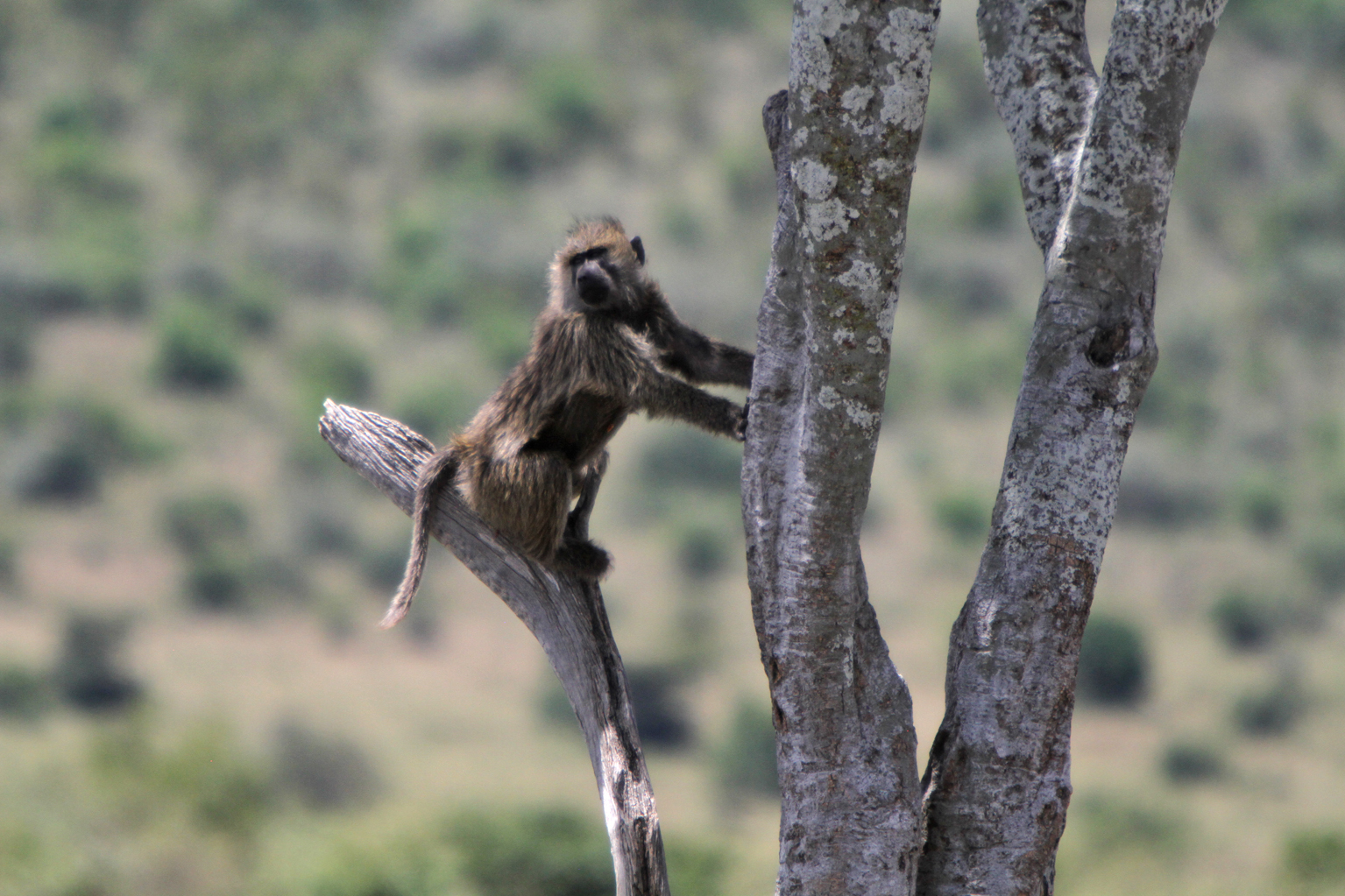
Just before turning off the main road onto the tracks back to camp, we meet a troop of baboons crossing the road in front of us. It is unusual to see baboons this close to our camp, although they do cover large distances during the day, returning to their chosen sleeping place at night. The adult baboons in this troop were foraging on the ground, you can see one mother with her infant. The baby was clinging to her back at first, then the mother moved her down below where she would be better protected. The young baboons however were having a great time playing and climbing up all the trees in their path.
We leave camp at first light this morning and are greeted by monkeys as we enter the park, these monkeys have made their home in the trees that line the stream separating our camp form the park. Although they live quite close to us, fortunately they haven’t started coming into the camp as yet. A little further on we stop to watch a Dik Dik feeding on a small bush, these, the smallest of the antelopes are very nervous and tend to run when they see people, so we were lucky to get a shot of him before he ran away into the bush. This Dik Dik also lives very close to the camp, we catch a glimpse of him from time to time as he passes through.
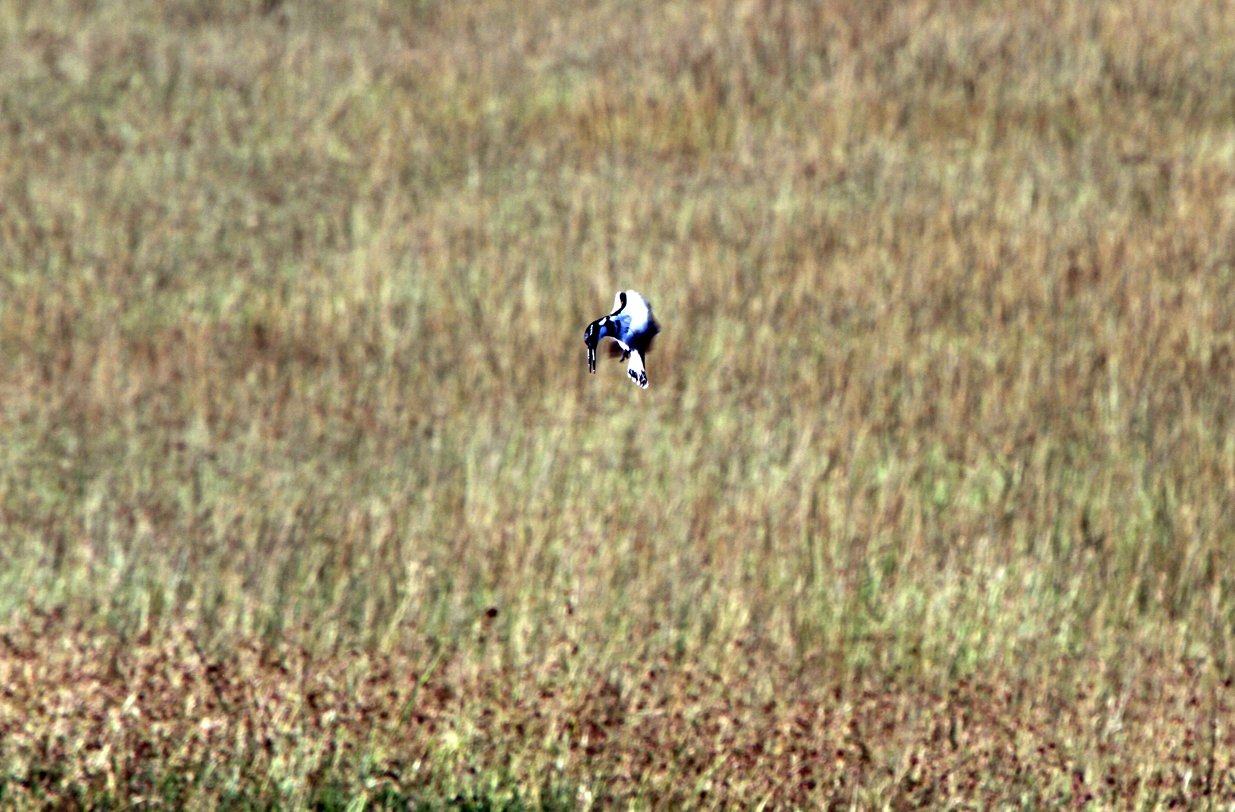
When we come out onto the plains the antelope, buffalo, zebra, wildebeest are all spread out, grazing in one’s and two’s instead of coming together in herds as usual. As we pass an old quarry, we see four of the sopa pride females, sitting around enjoying the morning sun. Also near the quarry is a small pool, Ken noticed a black and white kingfisher hovering over the pool for a few seconds, then diving down to the water to catch the insects on the surface. It is fascinating to watch the kingfisher in action.
After this there is nothing, no animals, no vehicles, just nothing except the sounds of the birds. We drive for around half an hour in silence. I am lost in the beautiful scenery and my own thoughts and reflections on life and how lucky I am to be here. We drove to the blackrock area to try and find the female lions and their cubs. After a while with no luck Alison rang around to see if anyone had seen them this morning and it seemed we had passed quite close to them as we left the main road for the tracks.
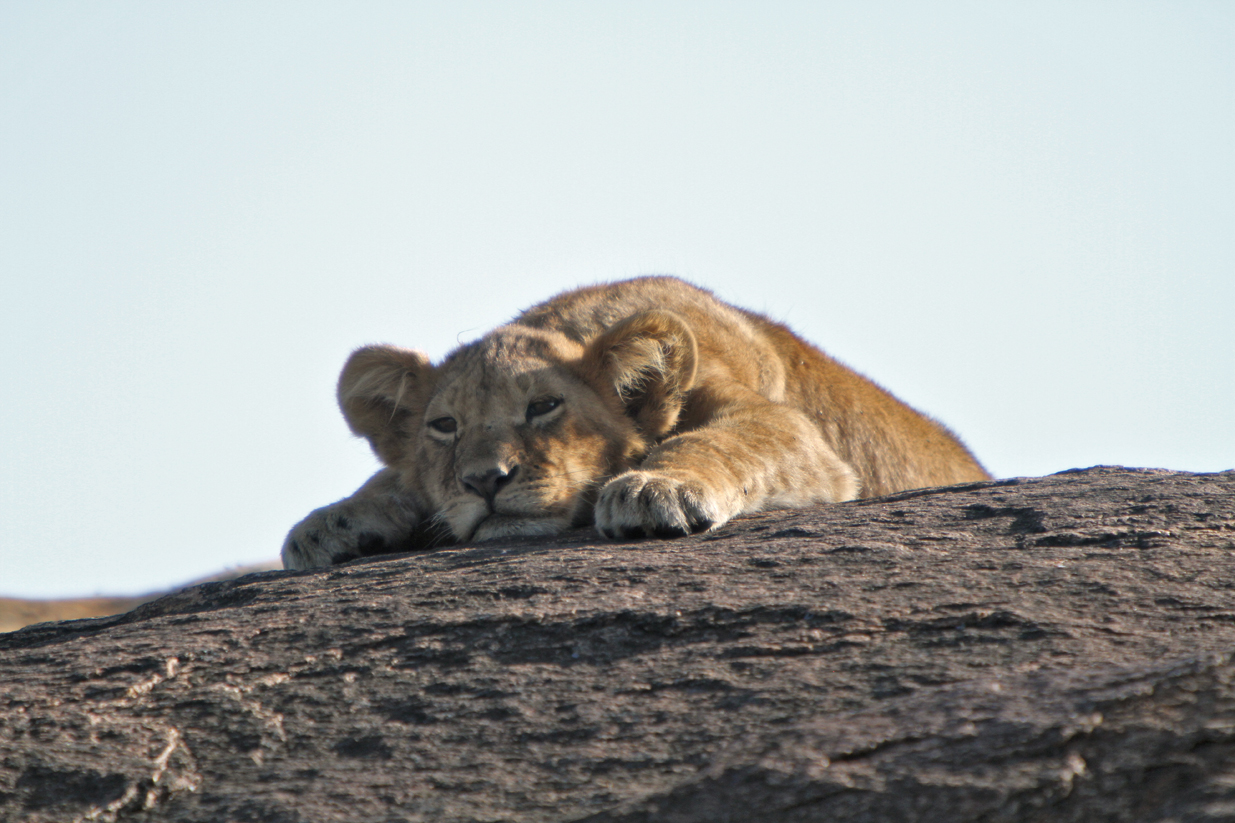
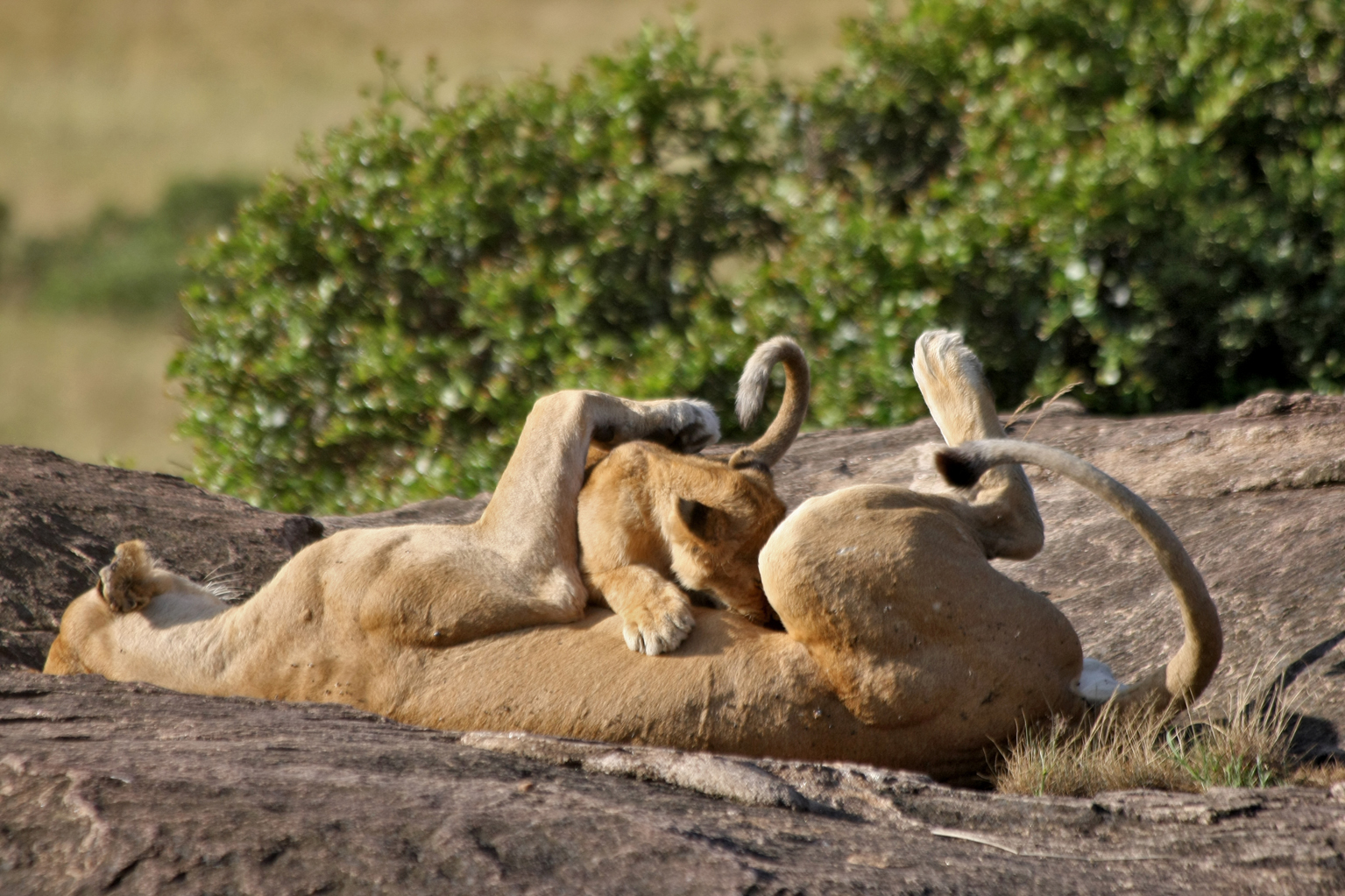
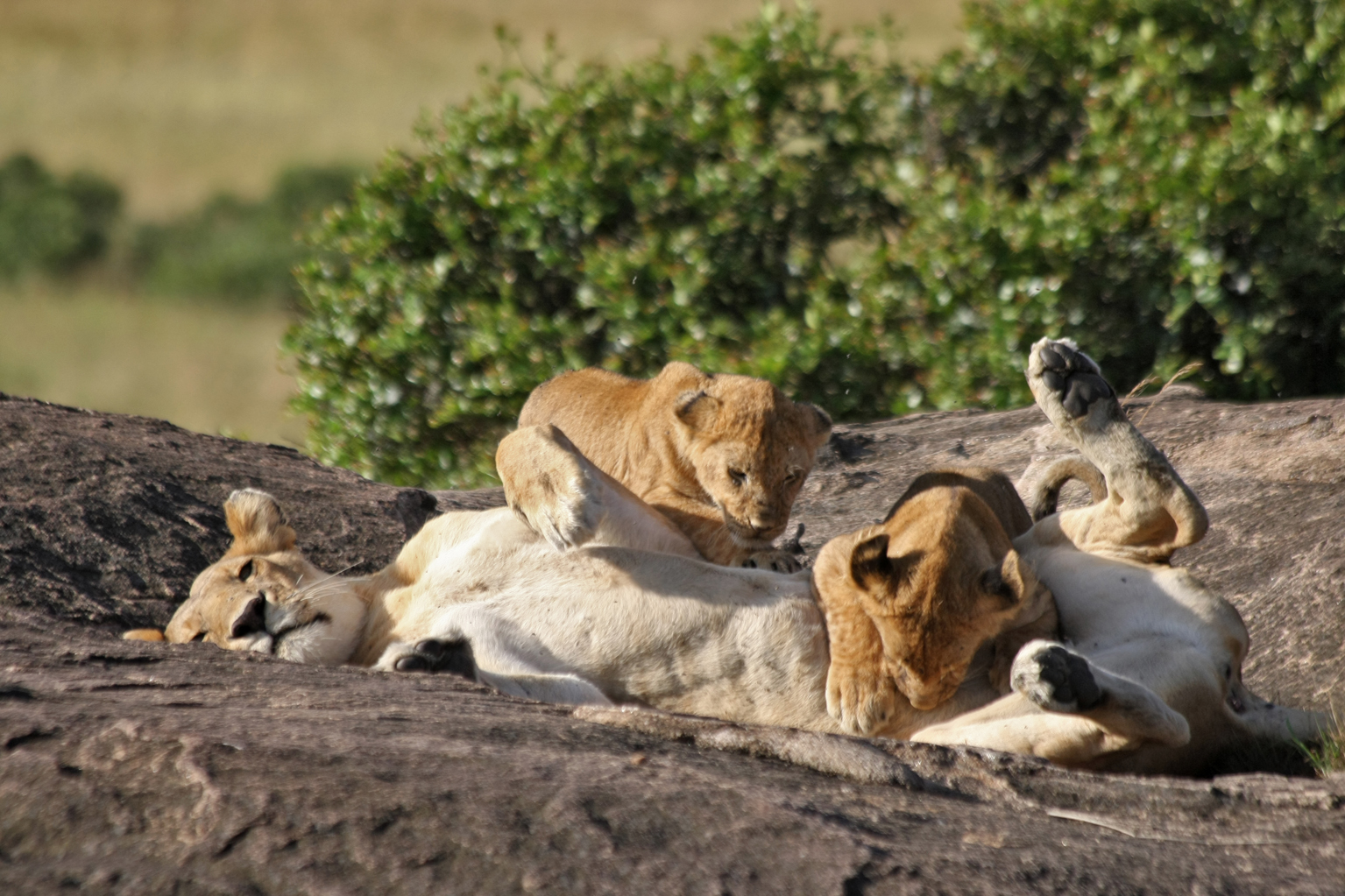
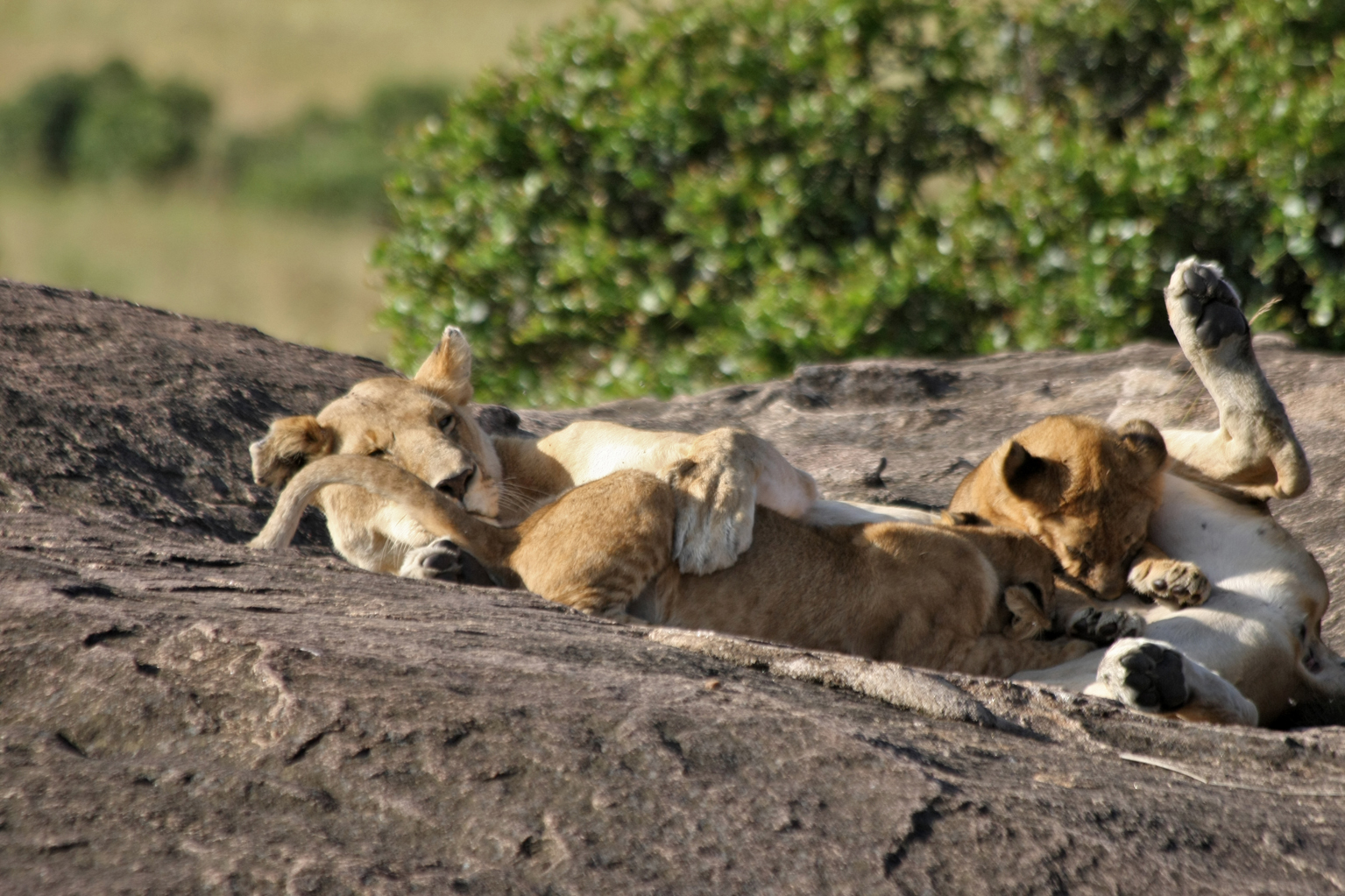
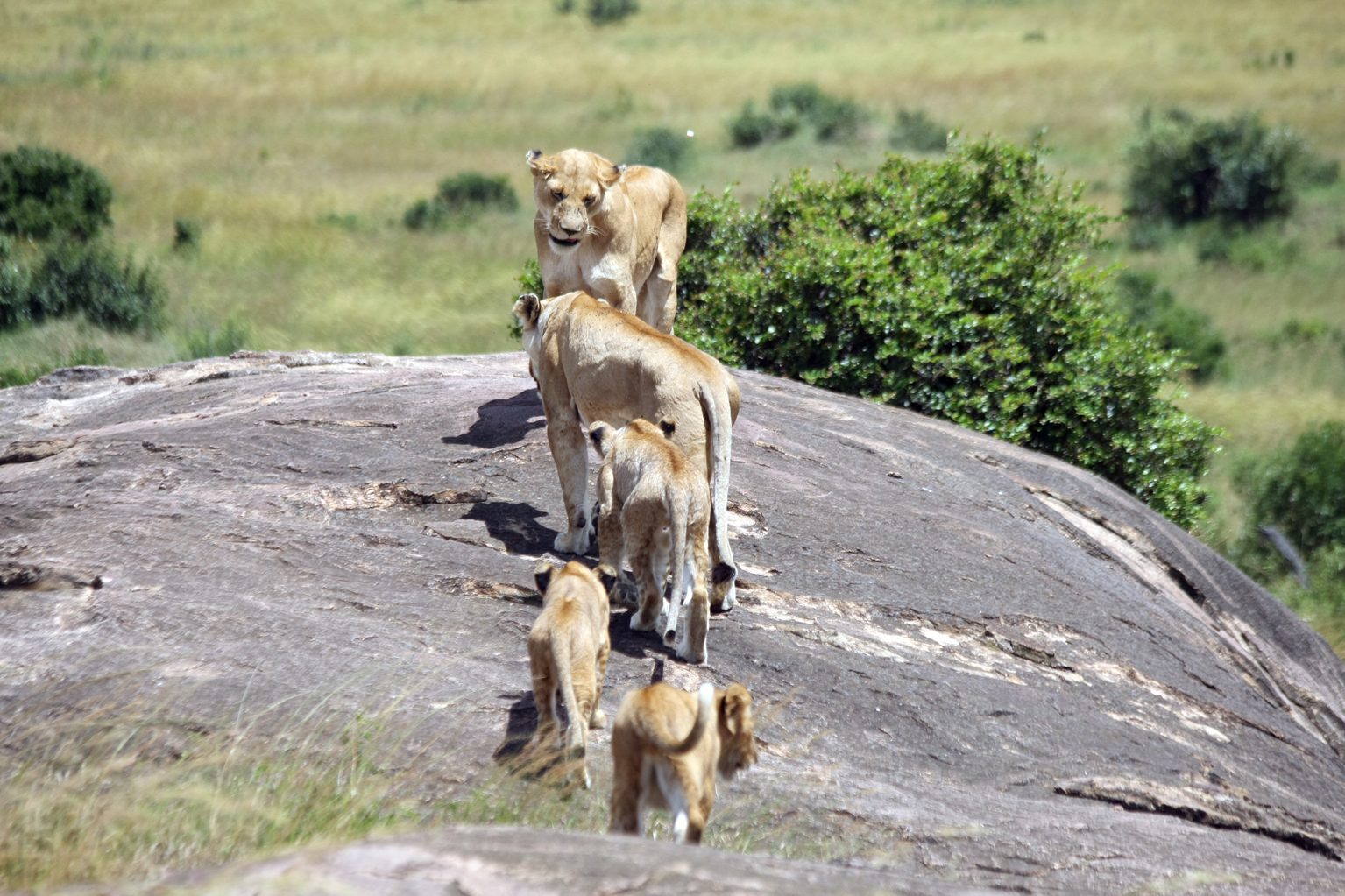
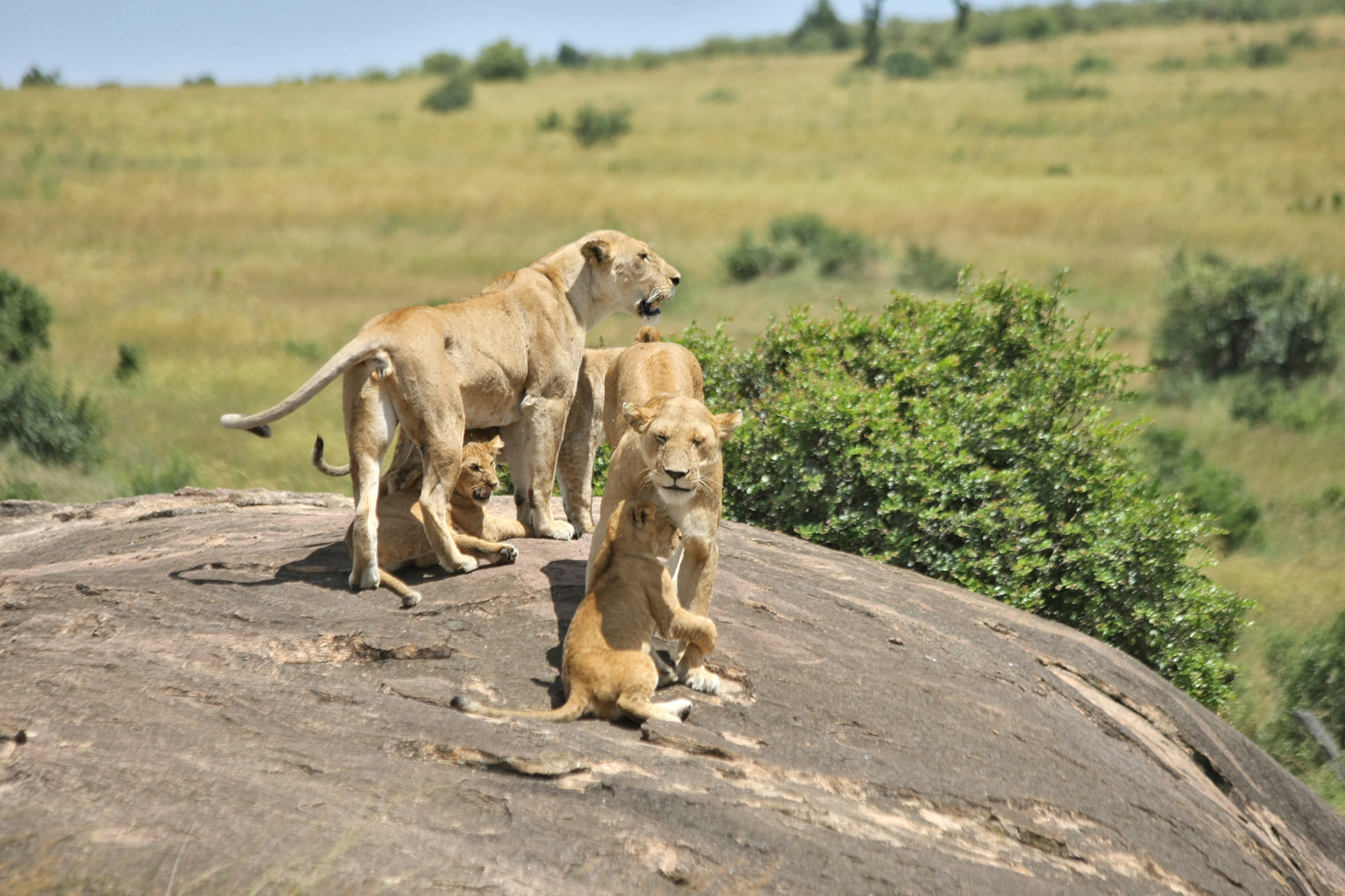
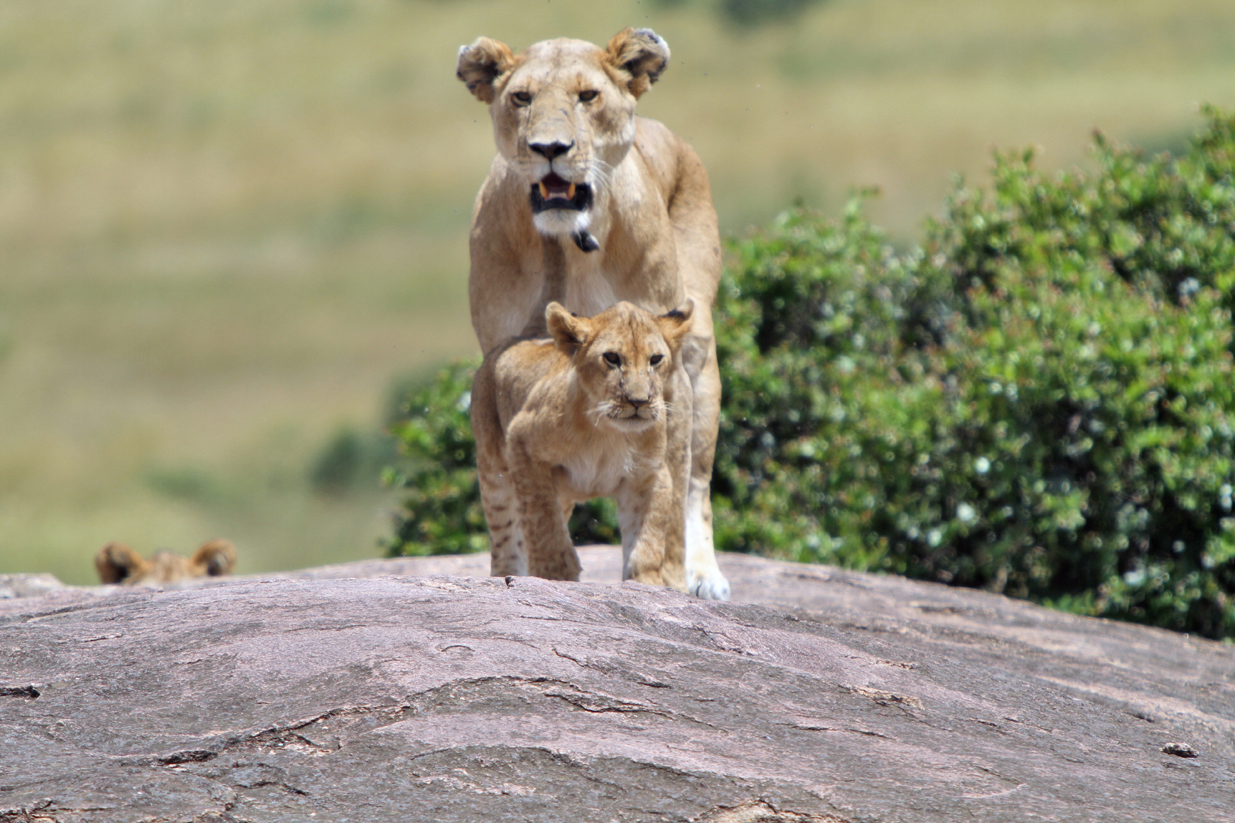
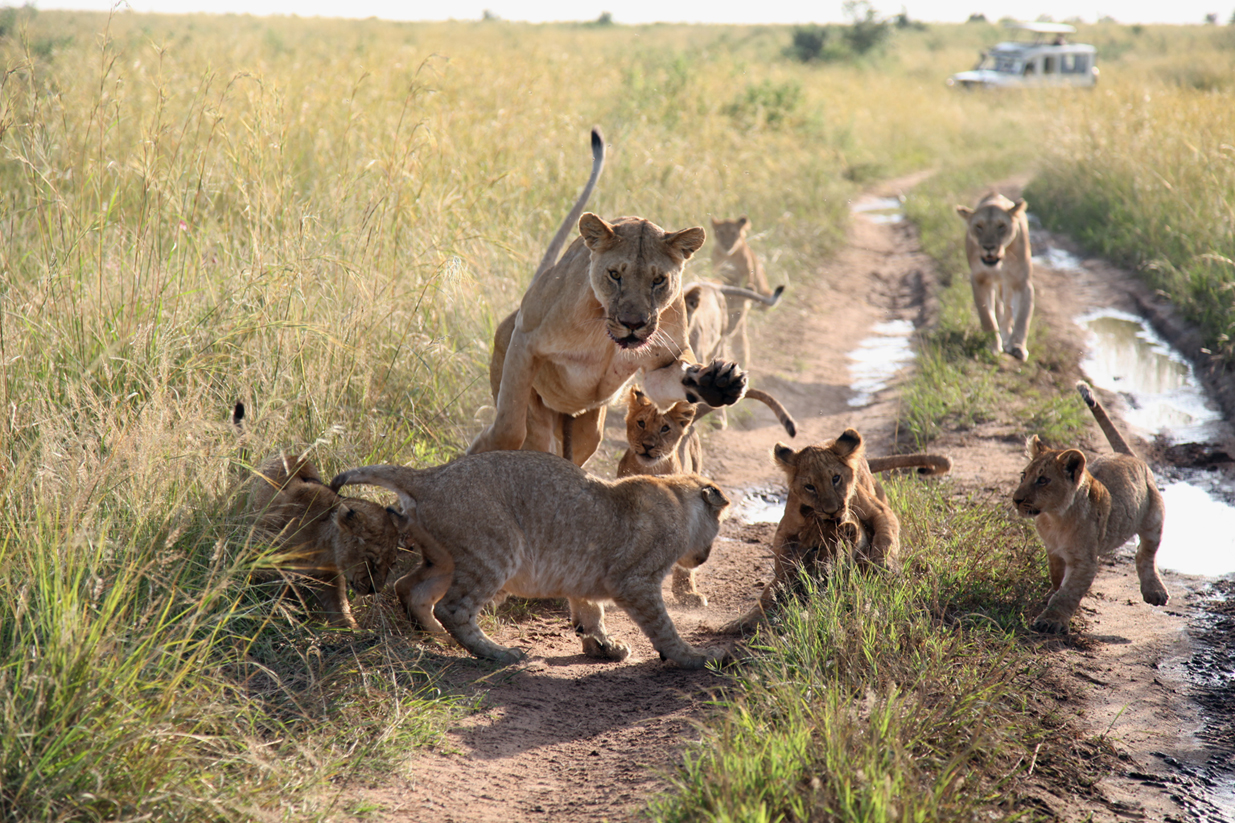
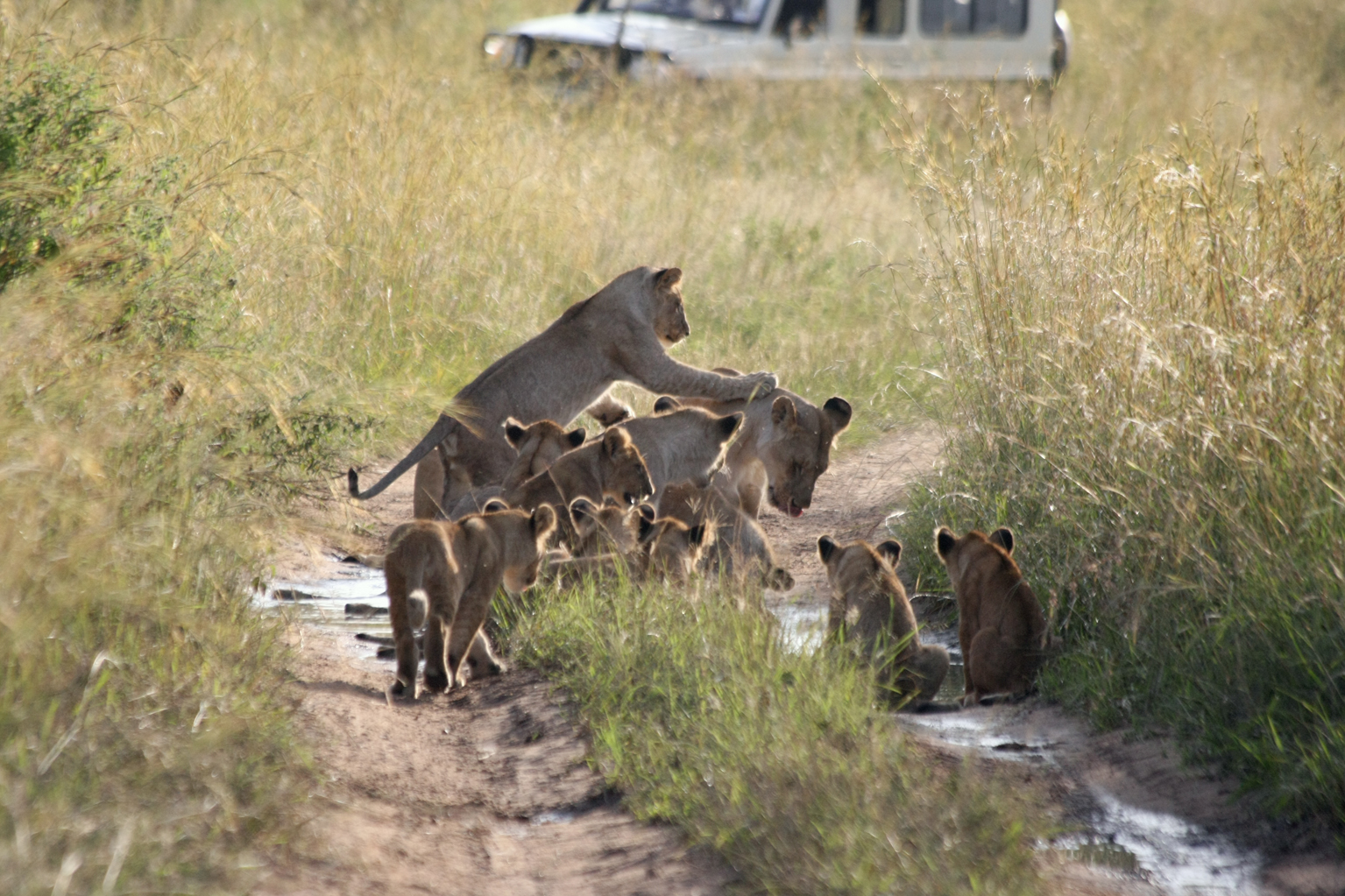
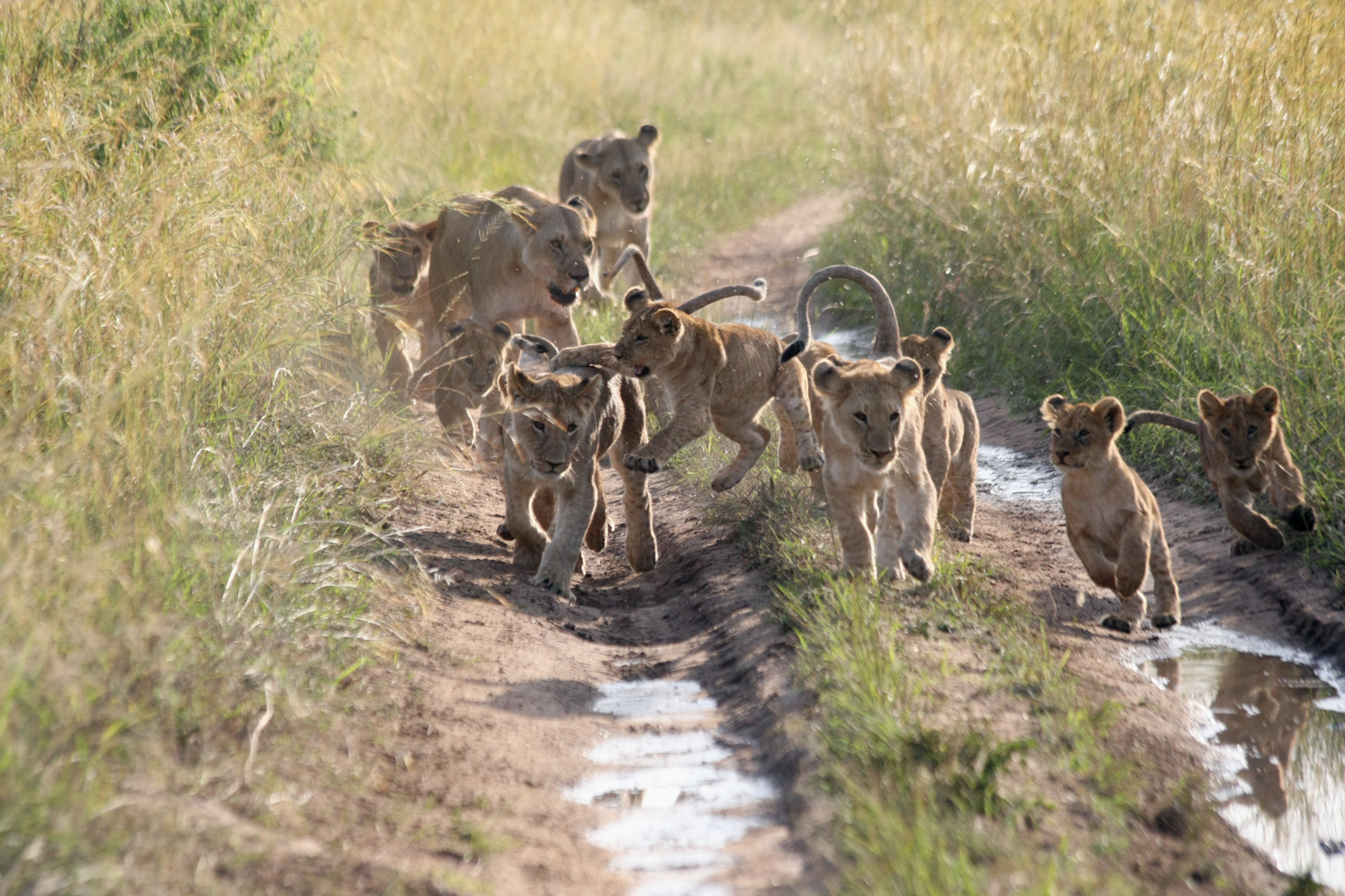
We doubled back and found them not too far away, warming themselves on one of the black rocks. All six females were there but only 3 cubs were around, 2 young ones and one slightly older, this means the mothers must have hidden the other cubs somewhere close by, but try as we might, we couldn’t find them and no-one else had seen them either. Why they had allowed three cubs to remain with them I don’t know. If you are lucky enough to watch lions with their cubs, you will see how much tenderness and patience the mothers have for them and how much affection there is between the females in the group. Two of the cubs wanted to suckle from their mother, first they went to rub up against her face as if greeting her or asking if they could suckle then she turned over onto her back to make it easy for them, both the mother and the cubs seemed very contented.
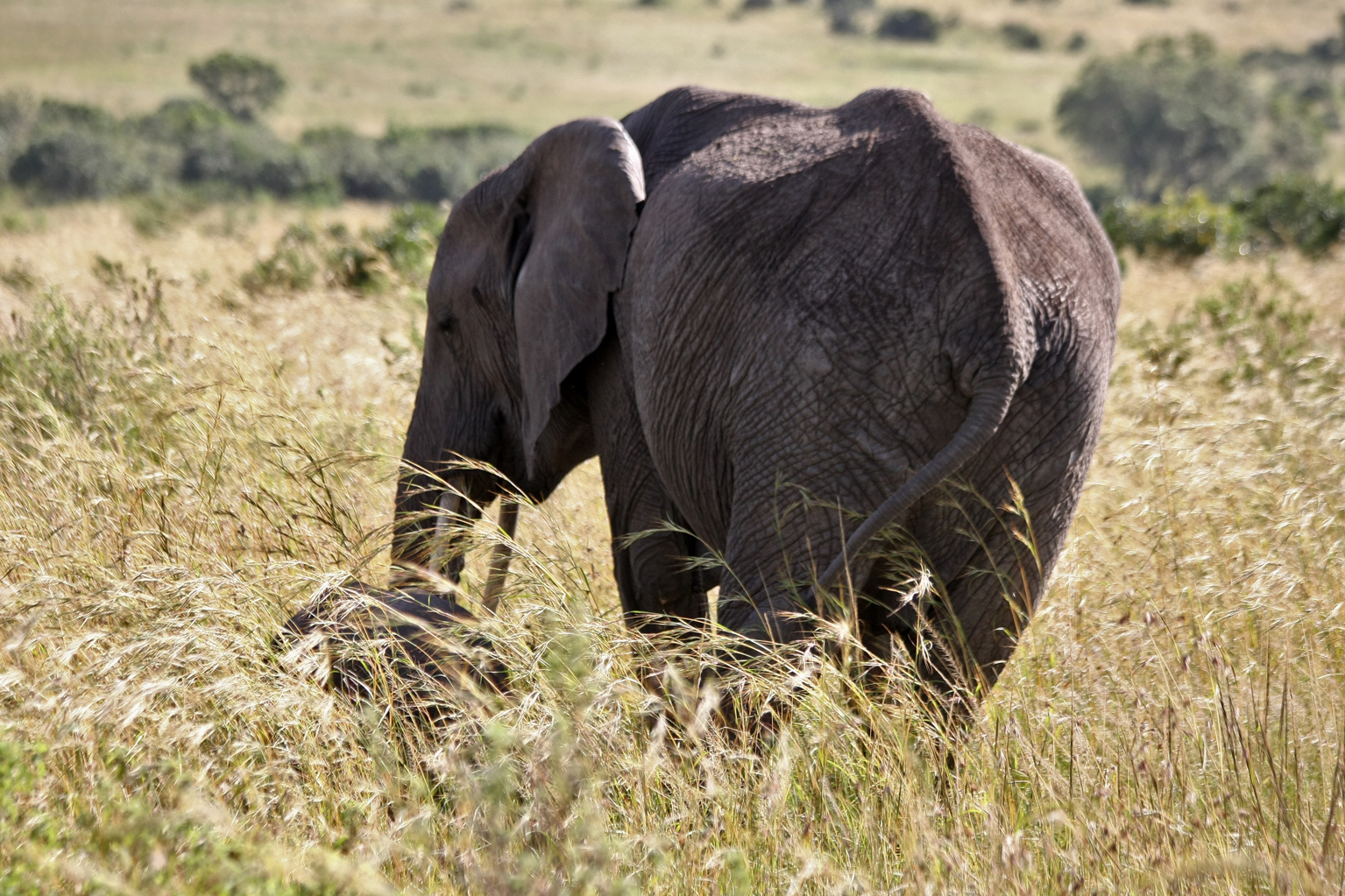
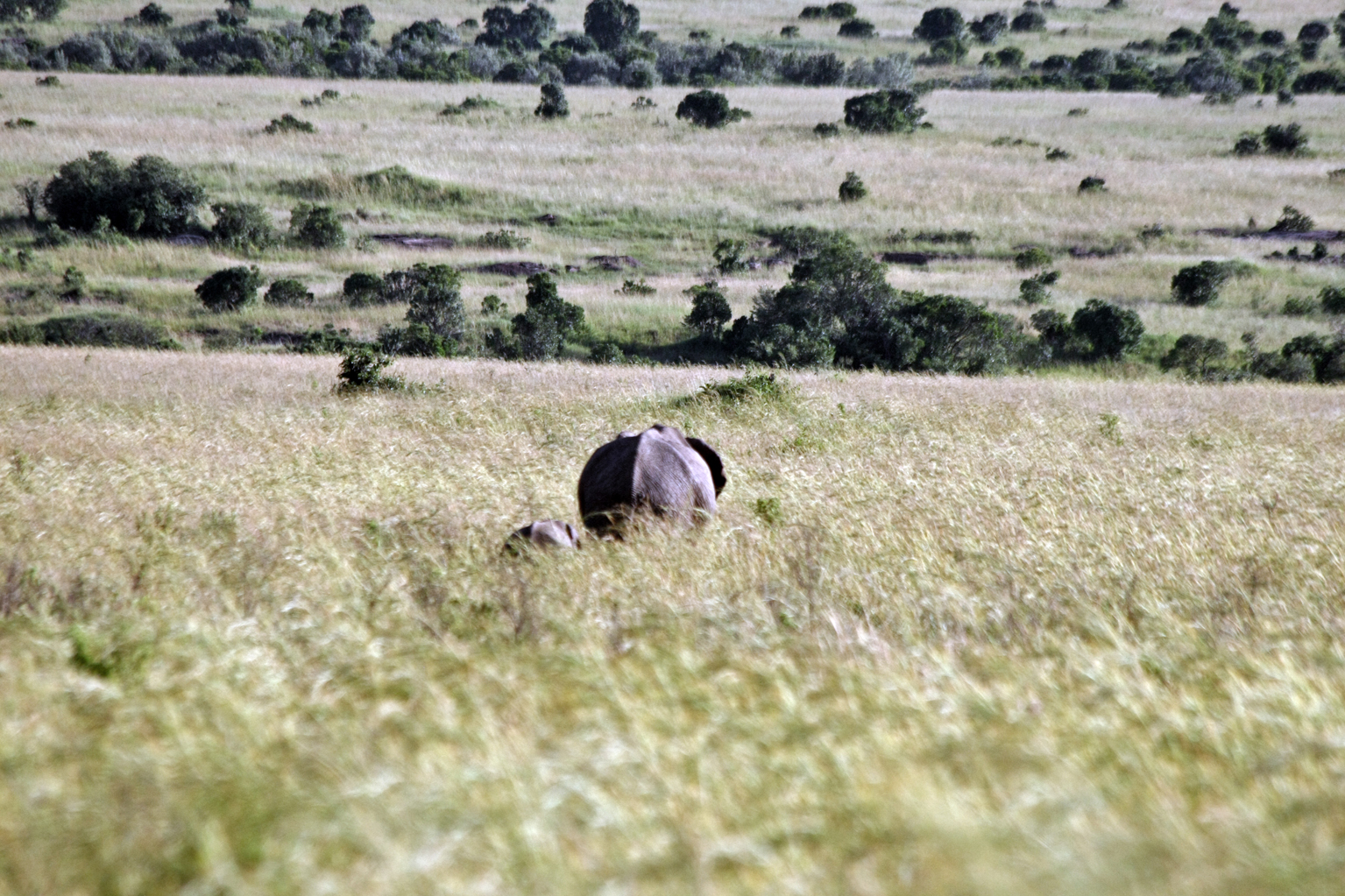
There were still not many animals around certainly nothing for the lions to hunt so we left them relaxing, we did pass a nice elephant family, a mother, a young one and a baby so small that he was barely visible in the long grass.
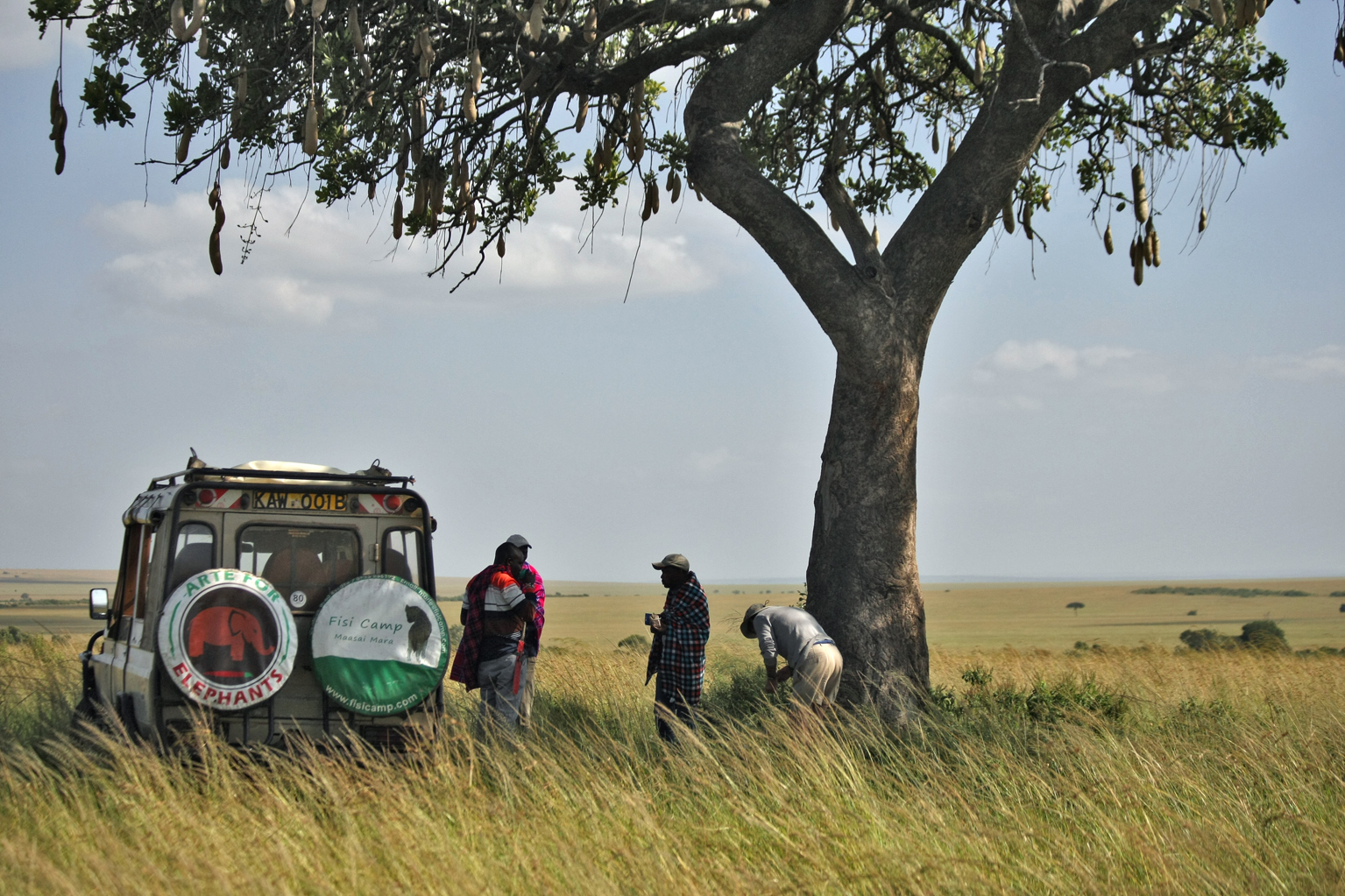
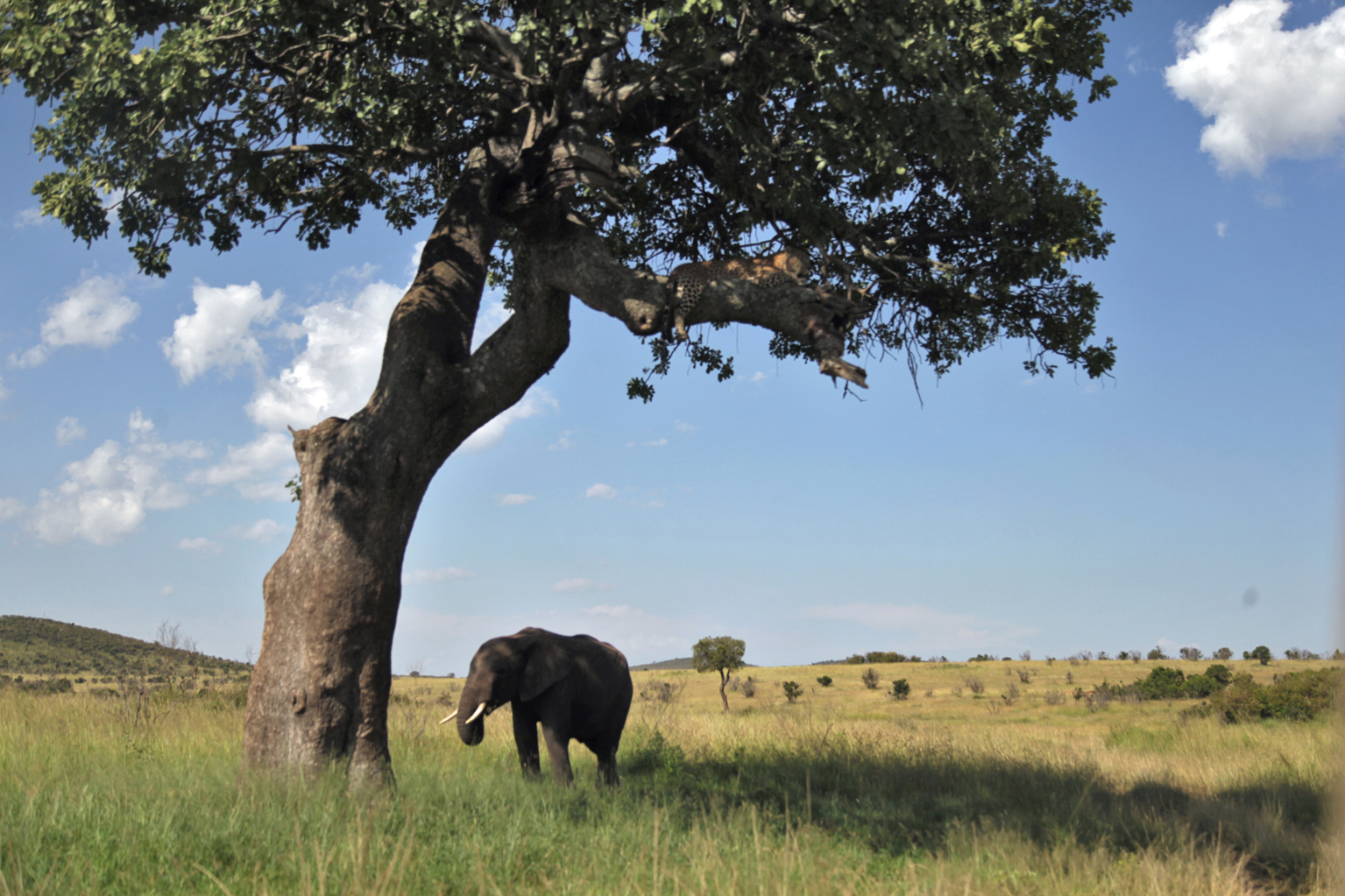
We thought it best not to use our usual breakfast spot because the cubs may have been hidden there, so we drove on until we came to a nice sausage tree, this one didn’t have a leopard in it.
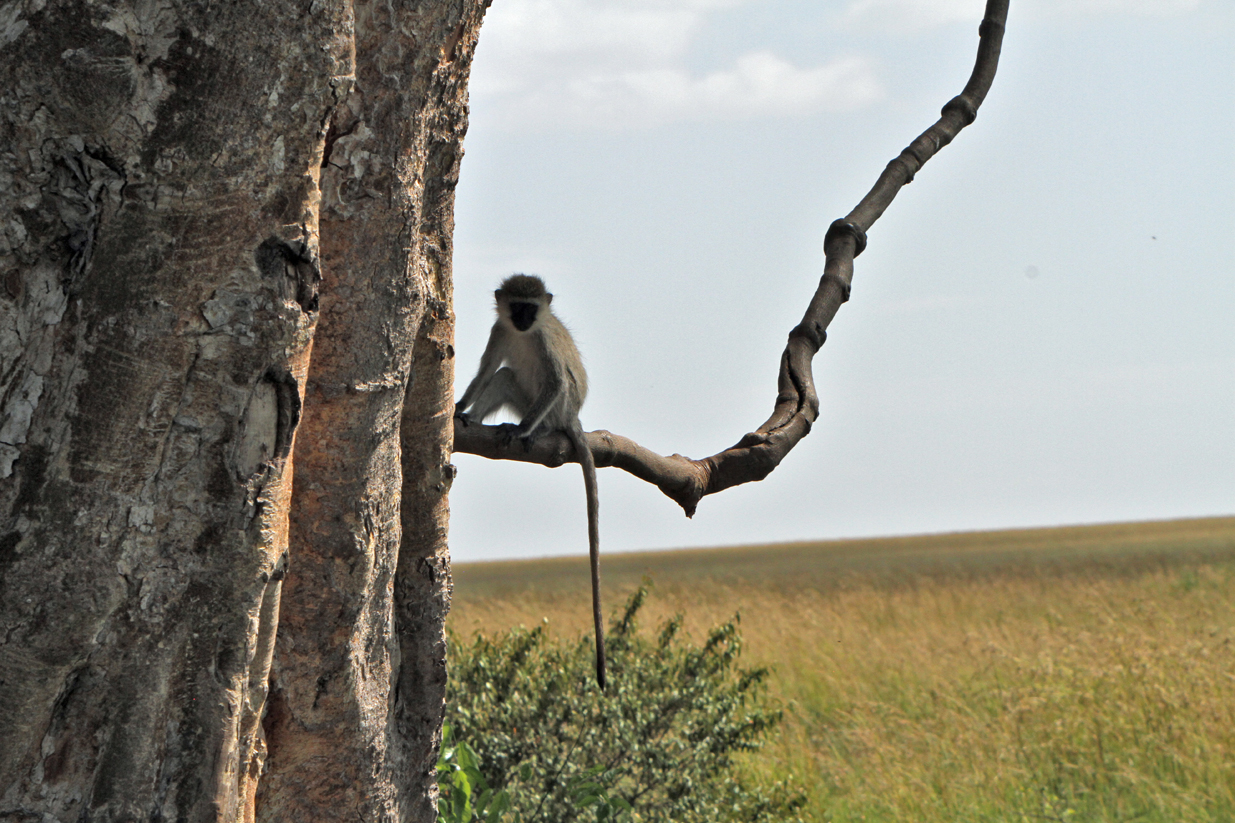
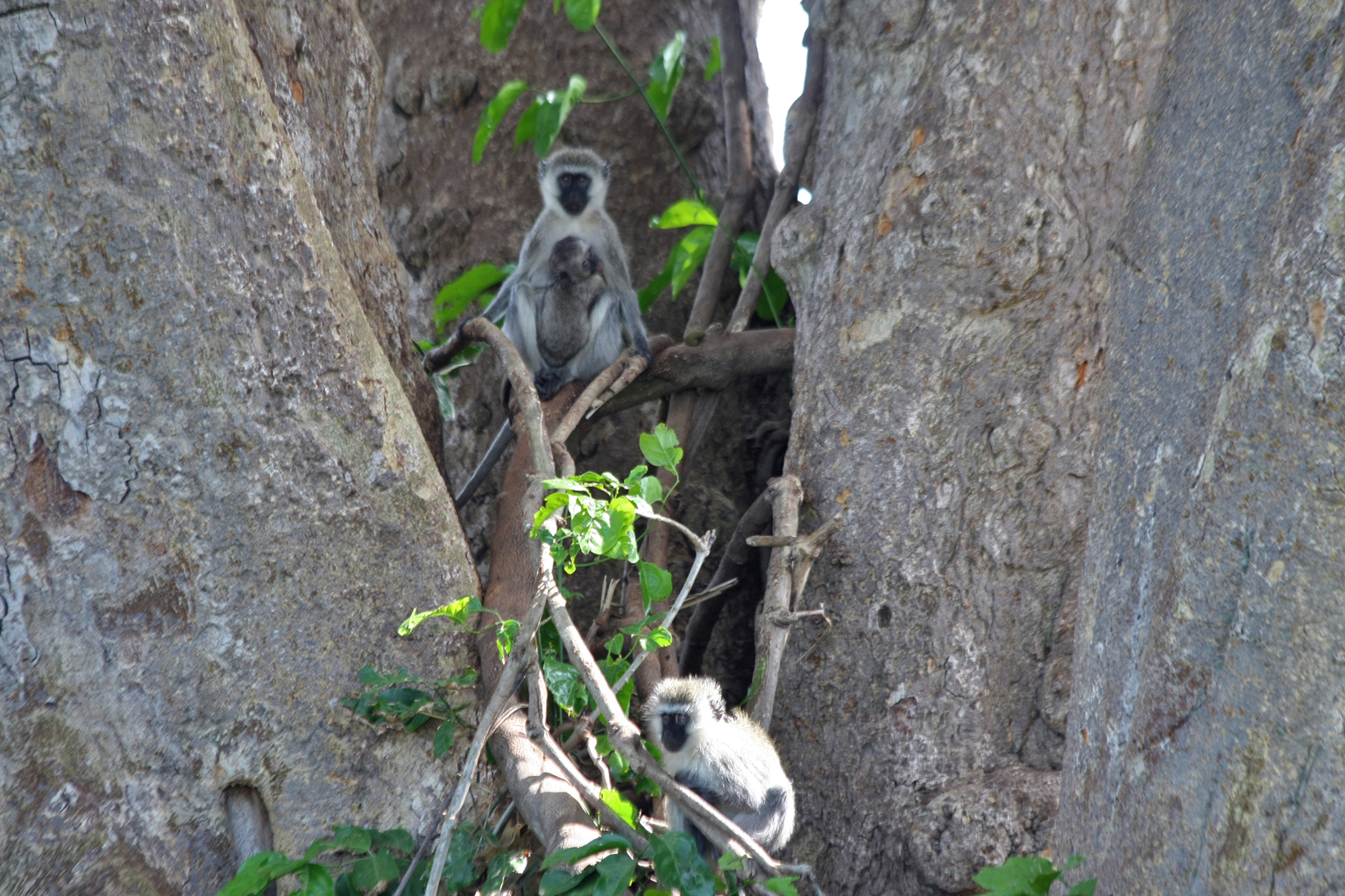
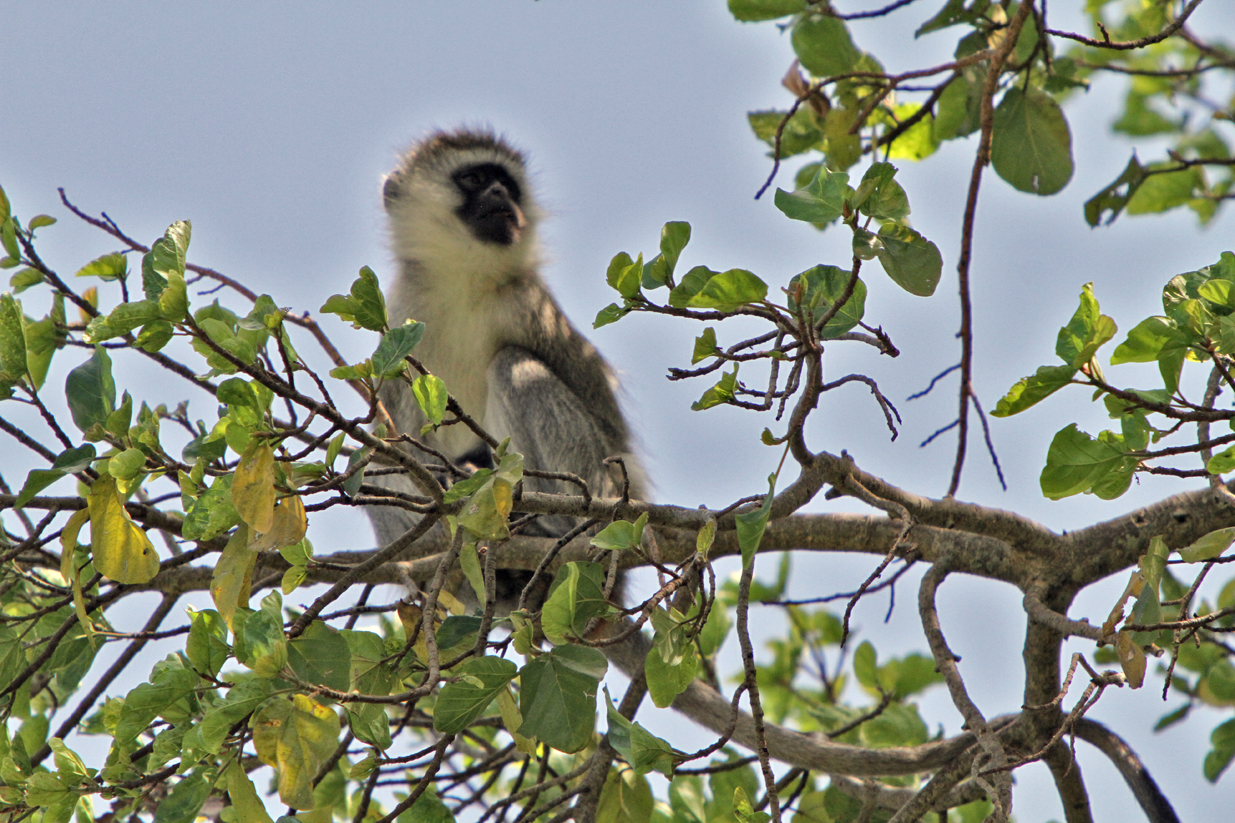
During breakfast Alison had heard there was a Leopard near a place called rhino ridge, so we packed up and headed out. We did make a brief stop at a tree where Ken had spotted a group of vervet monkeys. Even though these kinds of monkeys are naturally small they looked lost in this huge tree. You will see in one of the photos a mother with a baby. Some of the monkeys were higher up in the dense foliage, all of a sudden I thought it had started to rain, it turned out that some of the monkeys were peeing on us, I guess they weren’t as thrilled to see us as we were to see them, so we moved off.
The driver picked up the pace and we headed off at speed, it felt at times like we were in the Dakar rally. It took around 30 minutes of driving like this to reach the where the leopard had been sighted. When we arrived, there were already around 12 vehicles searching a small area of dense bush.
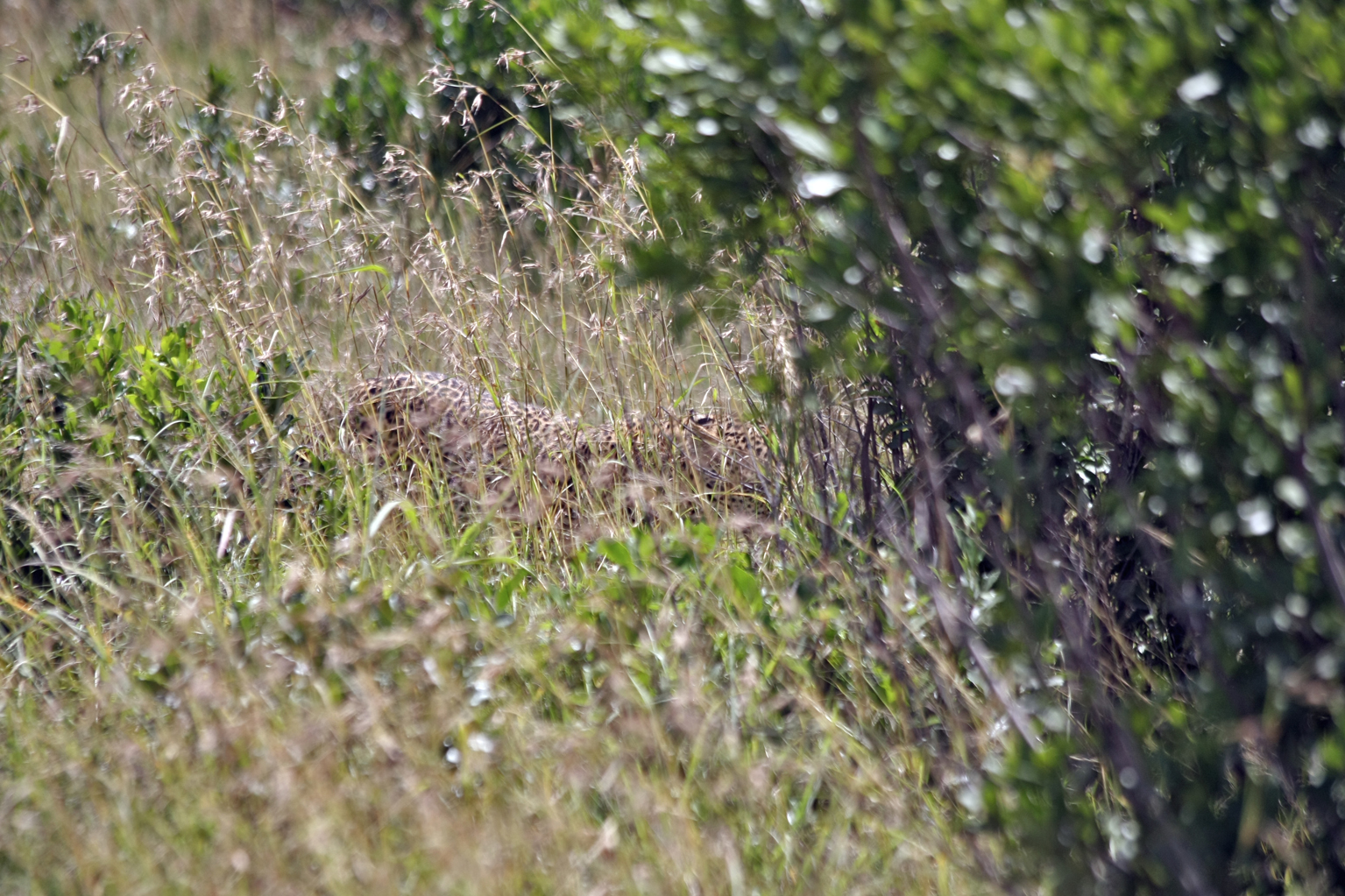
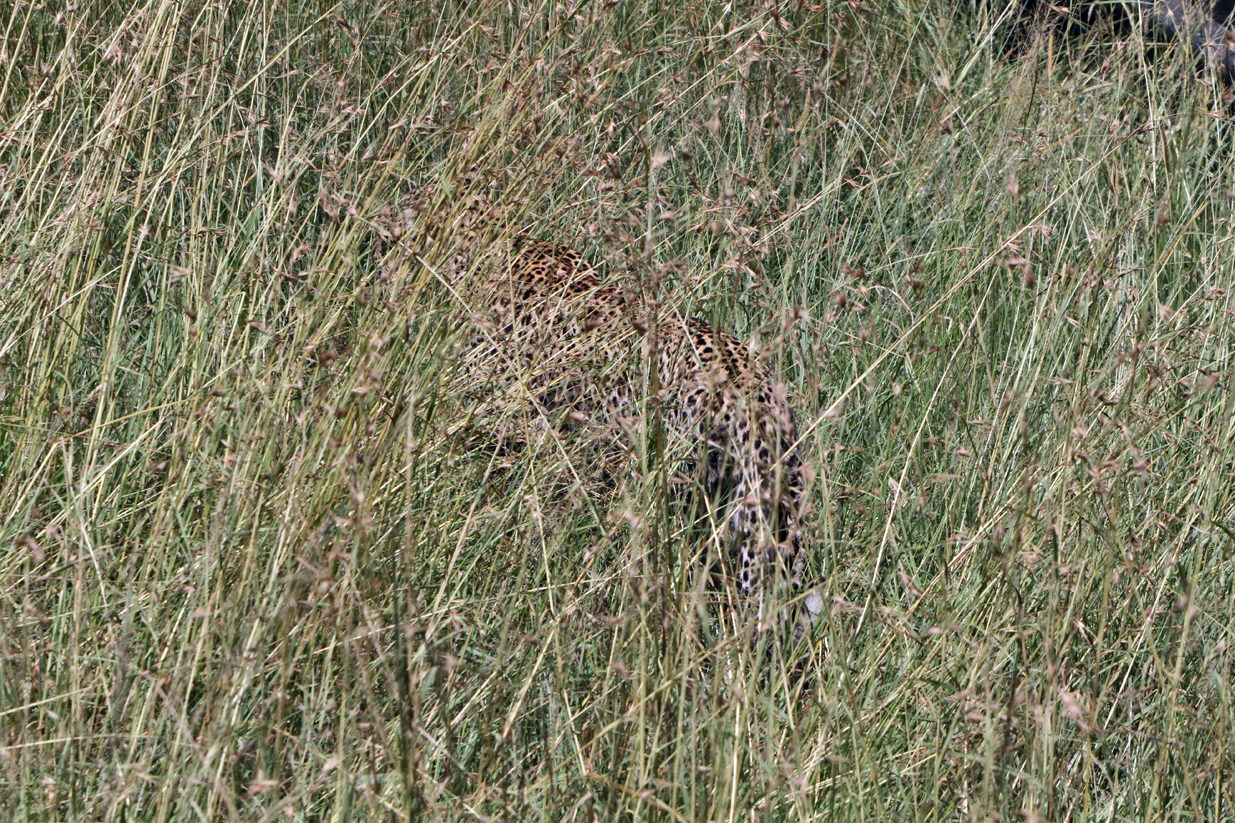
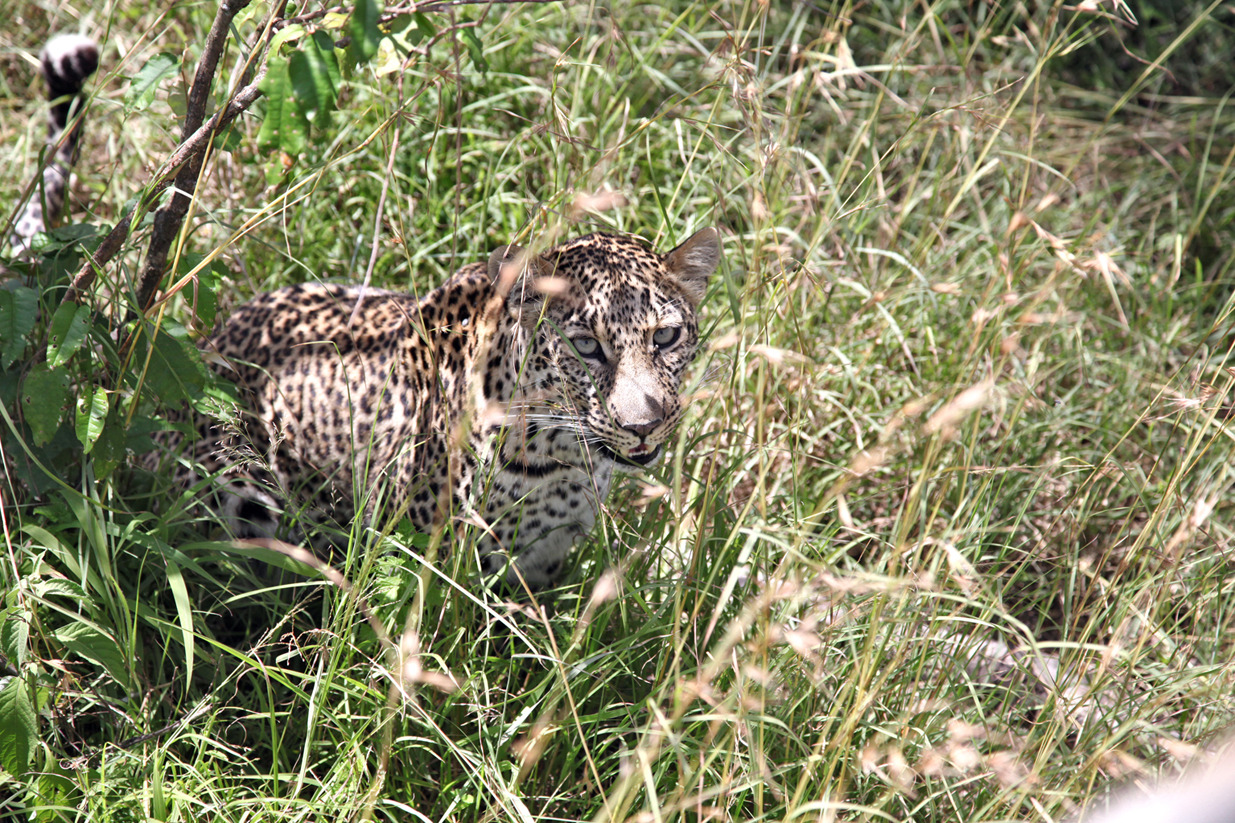
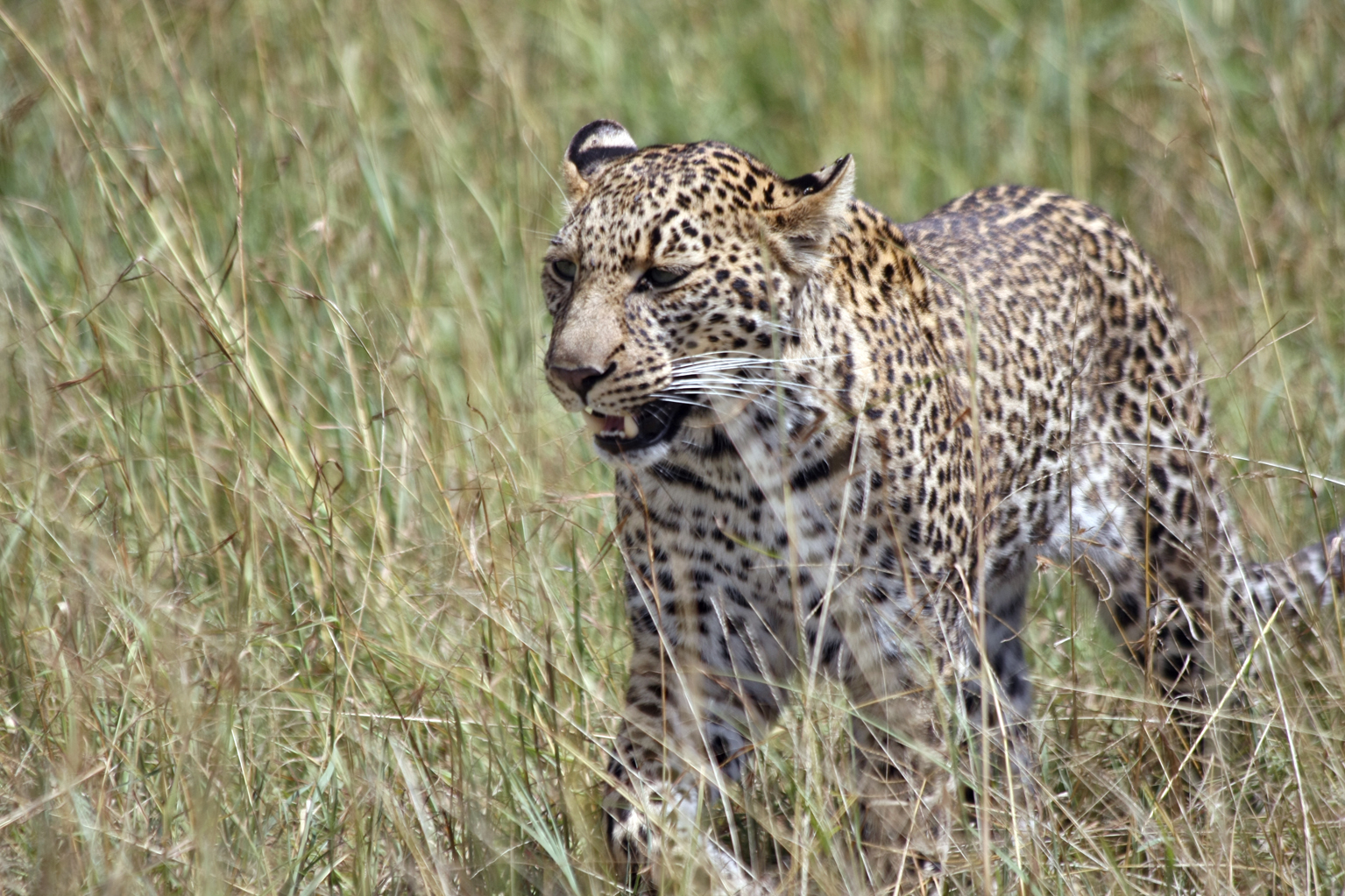
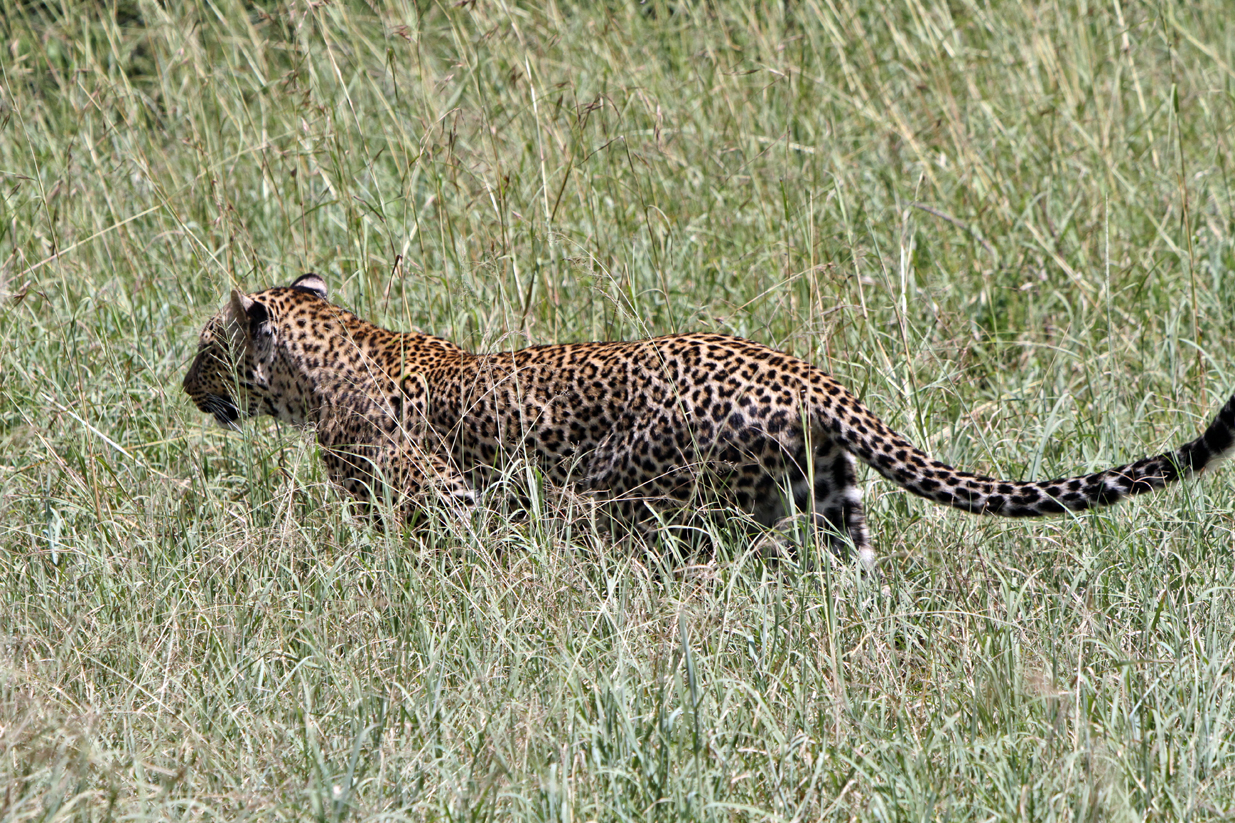
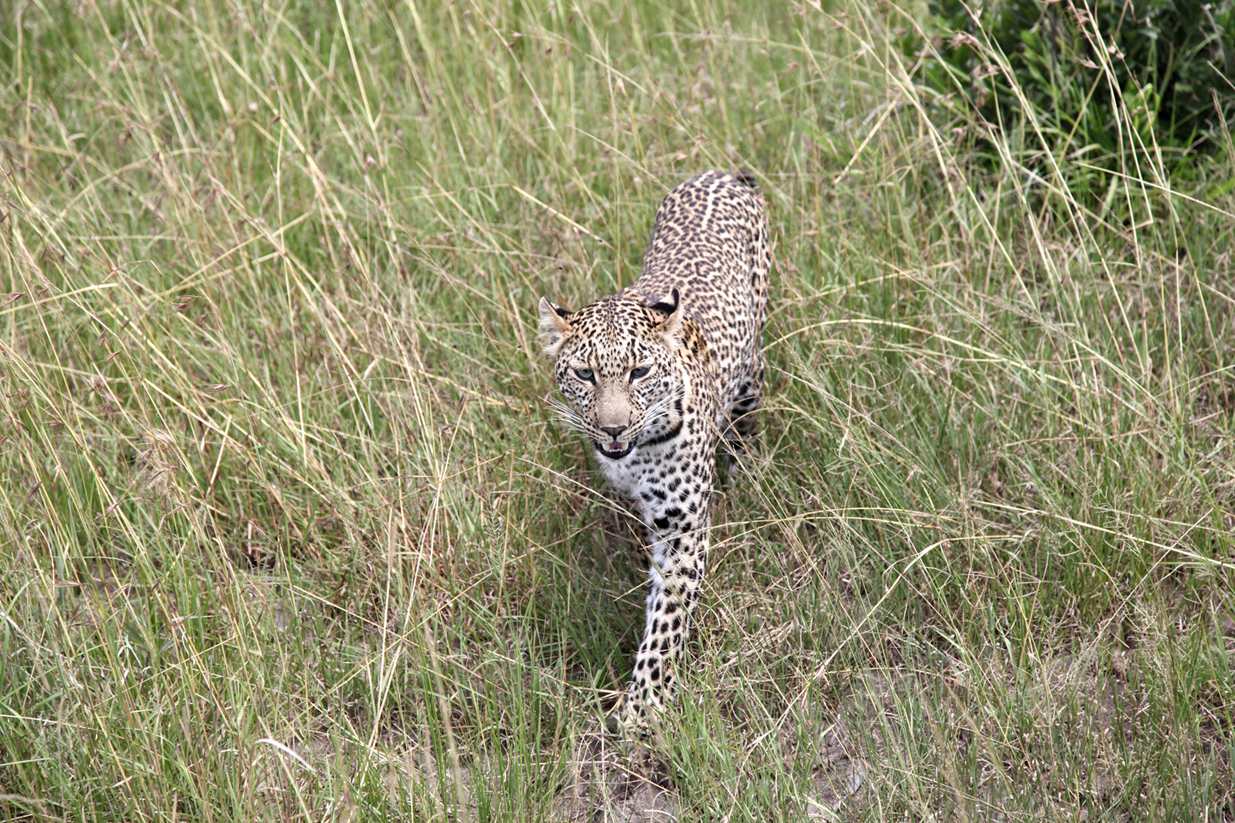
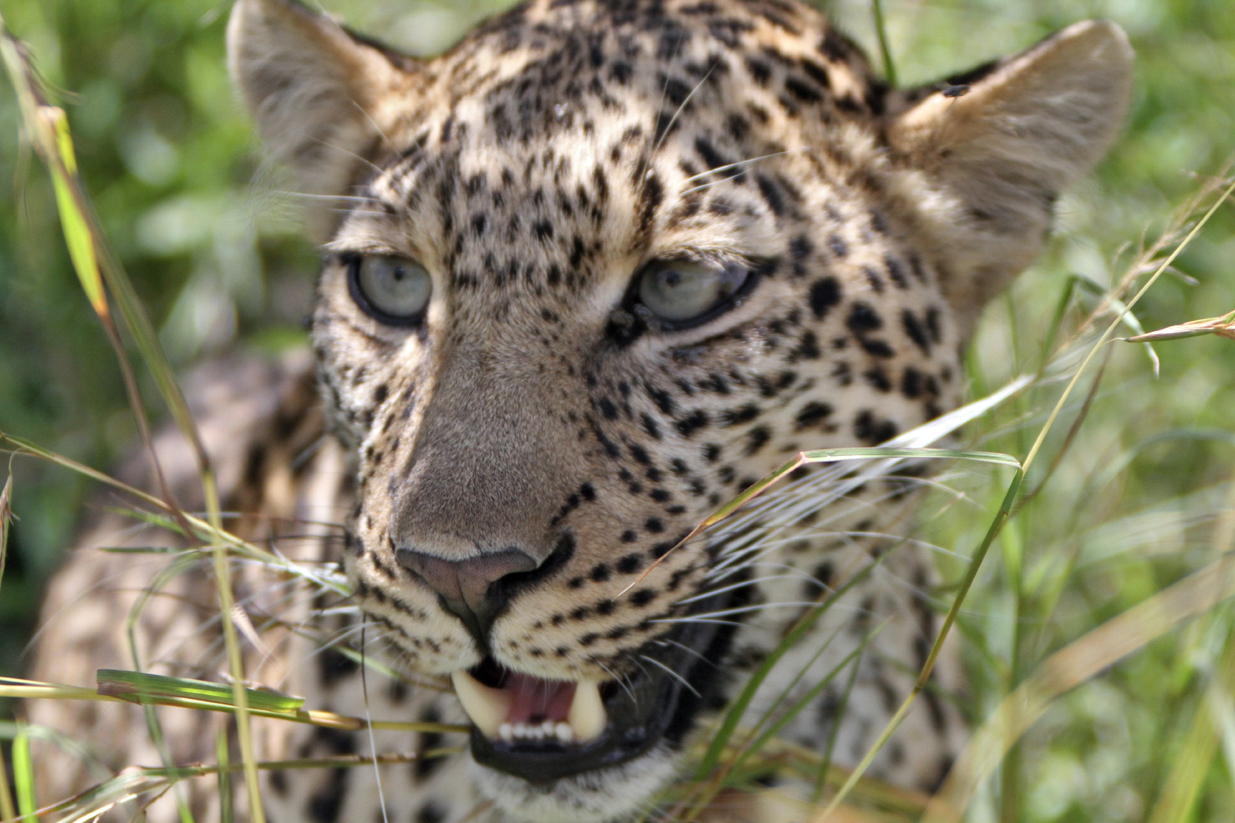
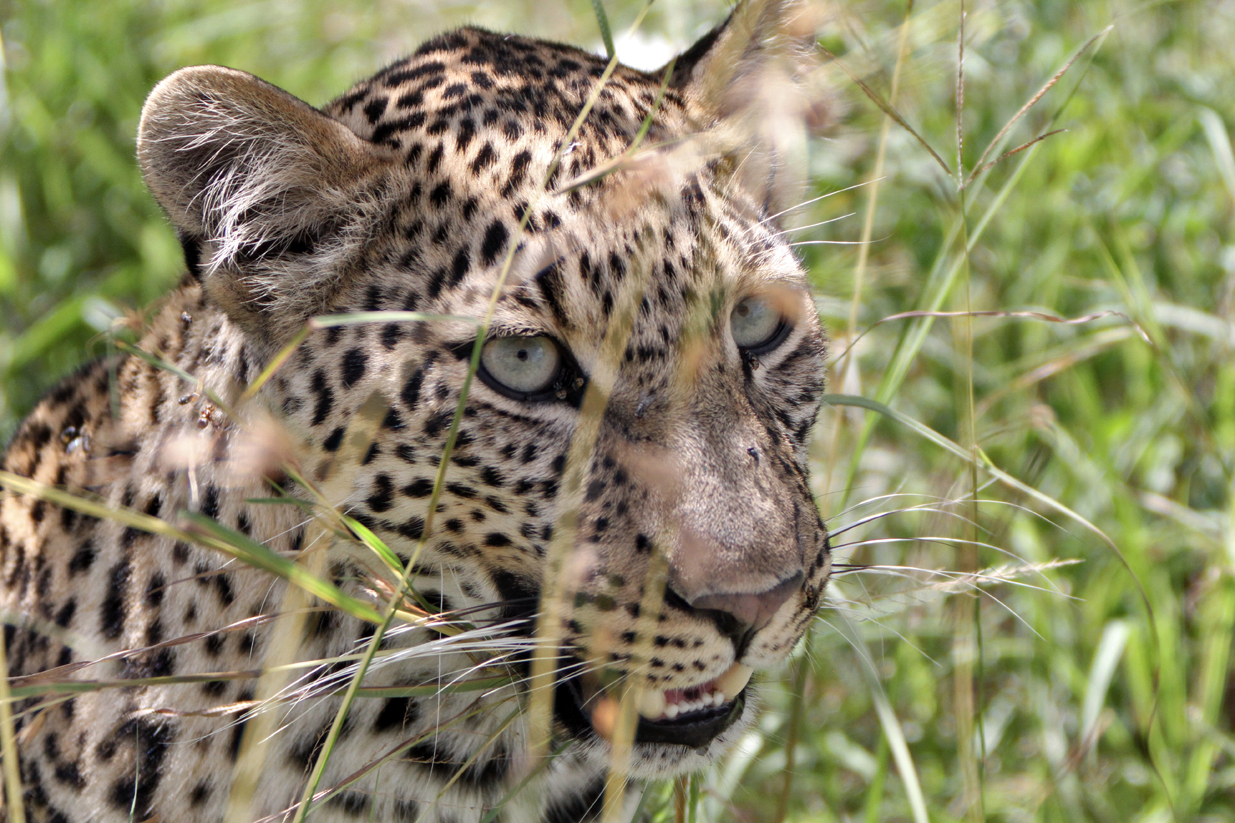
You can see in these photos how difficult it is to find a leopard when it doesn’t want to be found. It was a young Leopard and Alison thought it may have been Roho, but it turned out to be Jilime. These two leopards are around the same age between one and a half and two years old, they are also related, in that Roho’s mother, who sadly died, was also the mother of Luluka who is Jilime’s mother. Thelast time I saw Jilime was about 3 months ago, she was in a tree with her mother, it looks like she has started to become a little more independent.
We were first alerted to her position by a flock of guinea fowl, she tried to pounce on one of them and so they flew up into the air, very noisy and very agitated, she tried her best to jump up and catch one and even though she jumped quite high she didn’t succeed. Leopards are by nature opportunists so when they see a chance they take it. She has, like all cats, good instincts.
Jilime has been followed and photographed for all her young life, so she is well used to the vehicles. As she walked through the long grass weaving in and out of the bushes, the cars including ours, circled round to get good positions, she just walked straight up to them, if they were in her way instead of walking around, she just crawled right underneath and out the other side. It was incredible how close we got to her, or I should say how close she got to us.
It seemed like she had considered if we were a threat, we weren’t. If we could be eaten, we couldn’t, so she just dismissed us, we just weren’t that interesting to her. Finally, she settled down again in a ravine, a dried-up part of the riverbed. We had seen where she had laid down but if you hadn’t seen the exact spot, you never would have seen her.
Clearly she wanted her privacy so we left her there and headed back to the blackrock females to see if more of the cubs had come out to play.
Unfortunately, they hadn’t. The females had moved from the rock to the shade of a nearby bush, they were just encouraging the three cubs to go with them, which of course they did. I think this was the height of their activity for the day and we left them as we found them, relaxing, with the cubs feeding. The two youngest cubs were suckling again but the older cub wasn’t finding it so easy this time, he tried 3 females before accepting that he might not get anything.
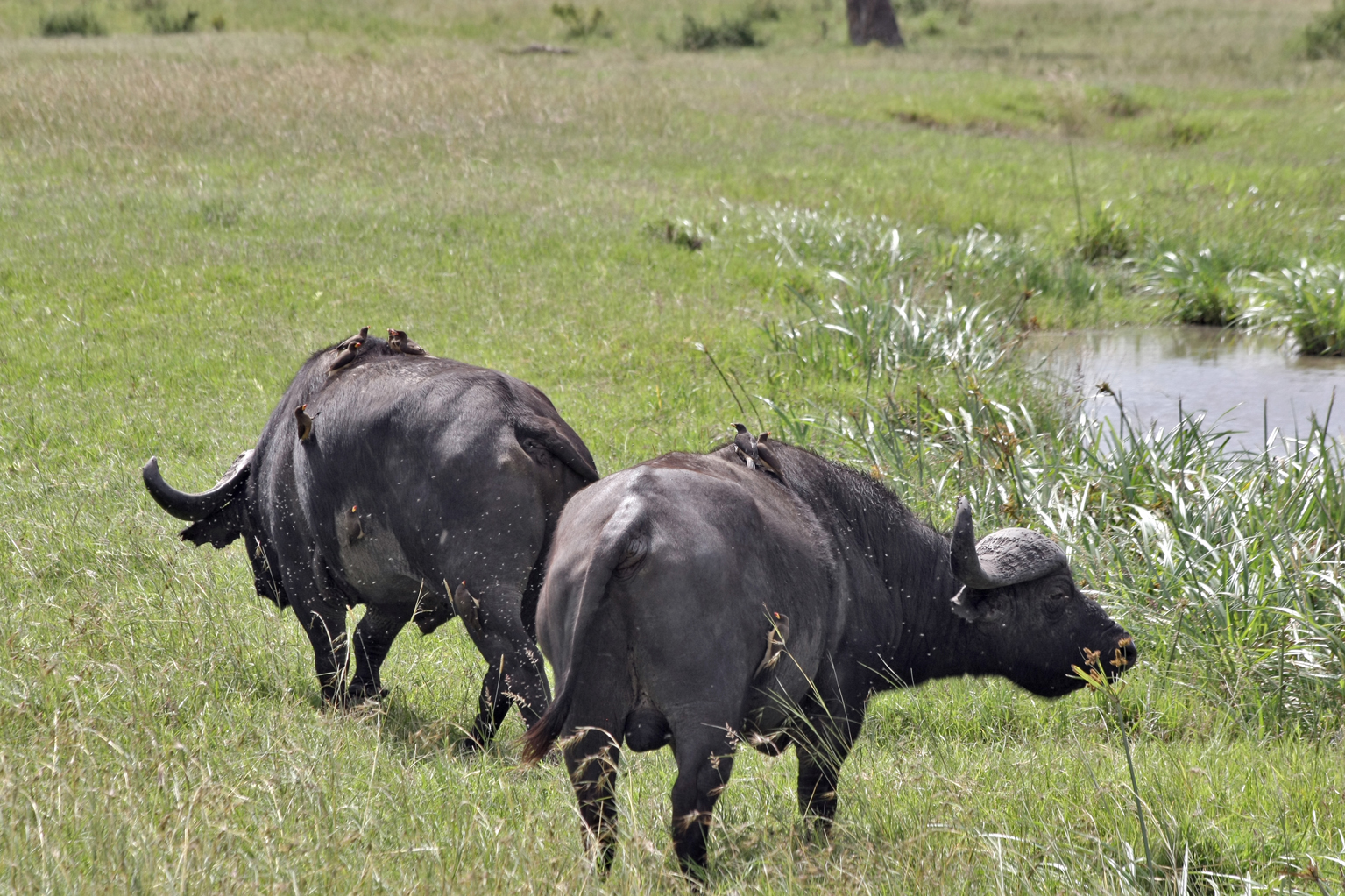
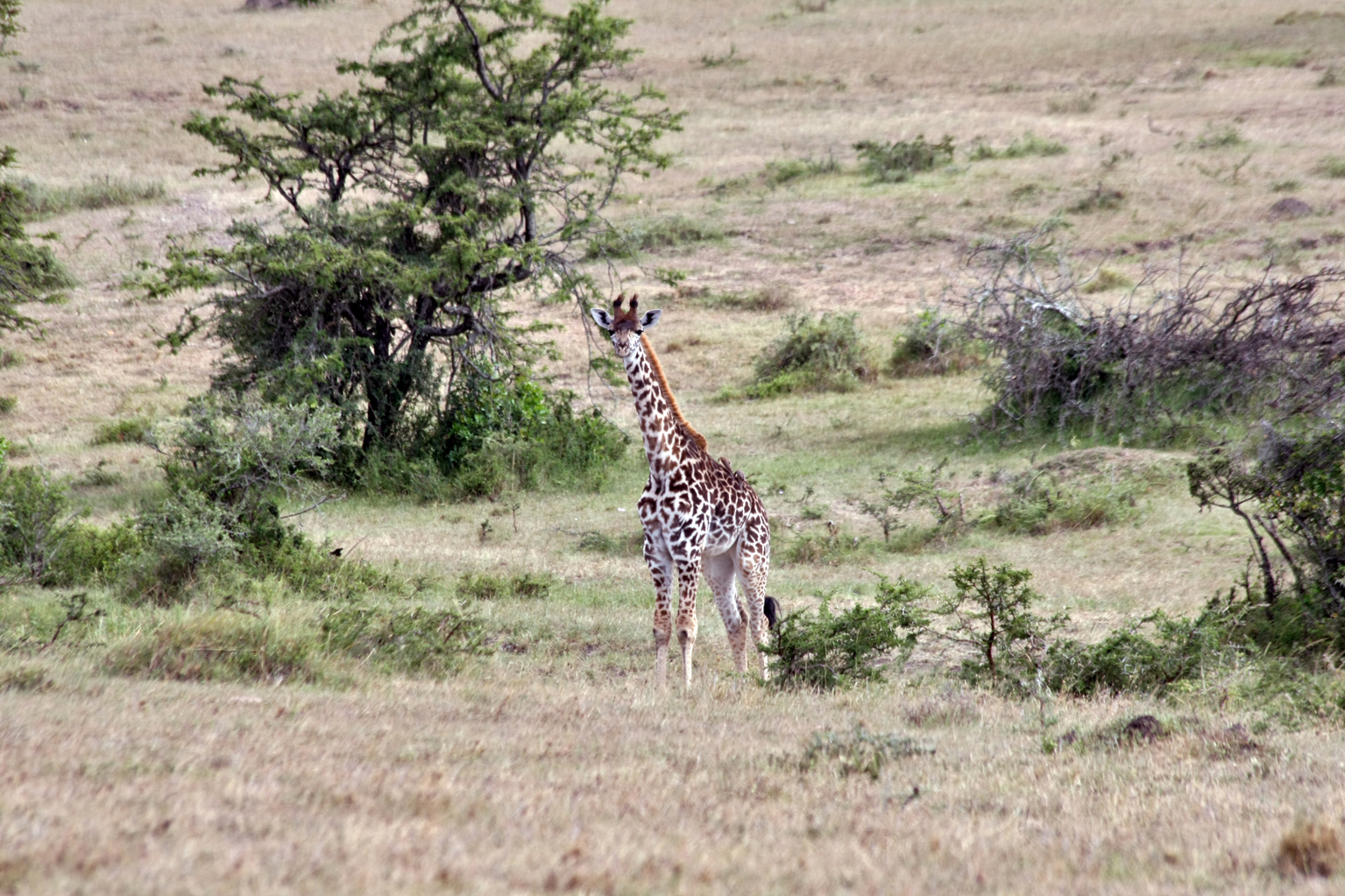
We made brief stops on the way back to camp to watch a couple of buffalo grazing and cooling off in the water, the oxpeckers feeding off the insects on their backs. And as we approached the camp, I couldn’t resist taking a photo of these young giraffe. Alison also pointed out the pride of Lions just up on the horizon. It was the Sopa pride, we didn’t go to see them as we didn’t have time today, but during the day they had moved closer to our camp, so maybe they will come to see us.
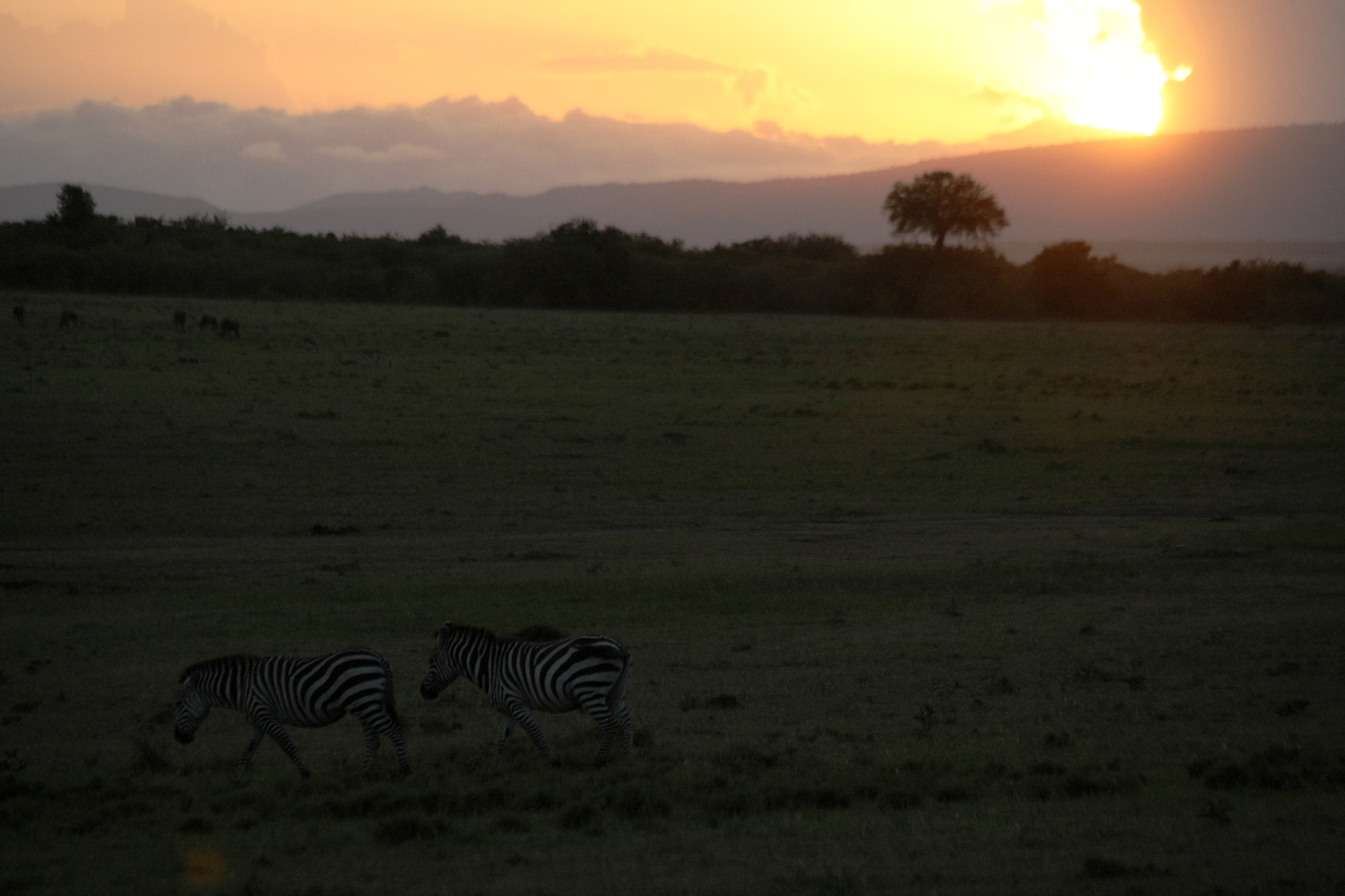
We have a great start to the day, a soft warm breeze keeping the usual early morning chill at bay and a perfect sunrise, which we hadn’t seen for a few weeks now. So many animals greeted us as we entered the park, large herds of all different kinds of gazelle, too many to photograph together, zebra, giraffe, warthog, wildebeest, buffalo, elephant, just so many. We stopped to take the sunrise with the zebra and wildebesst in the foreground as these are the most accommodating when it comes to standing still for the camera.
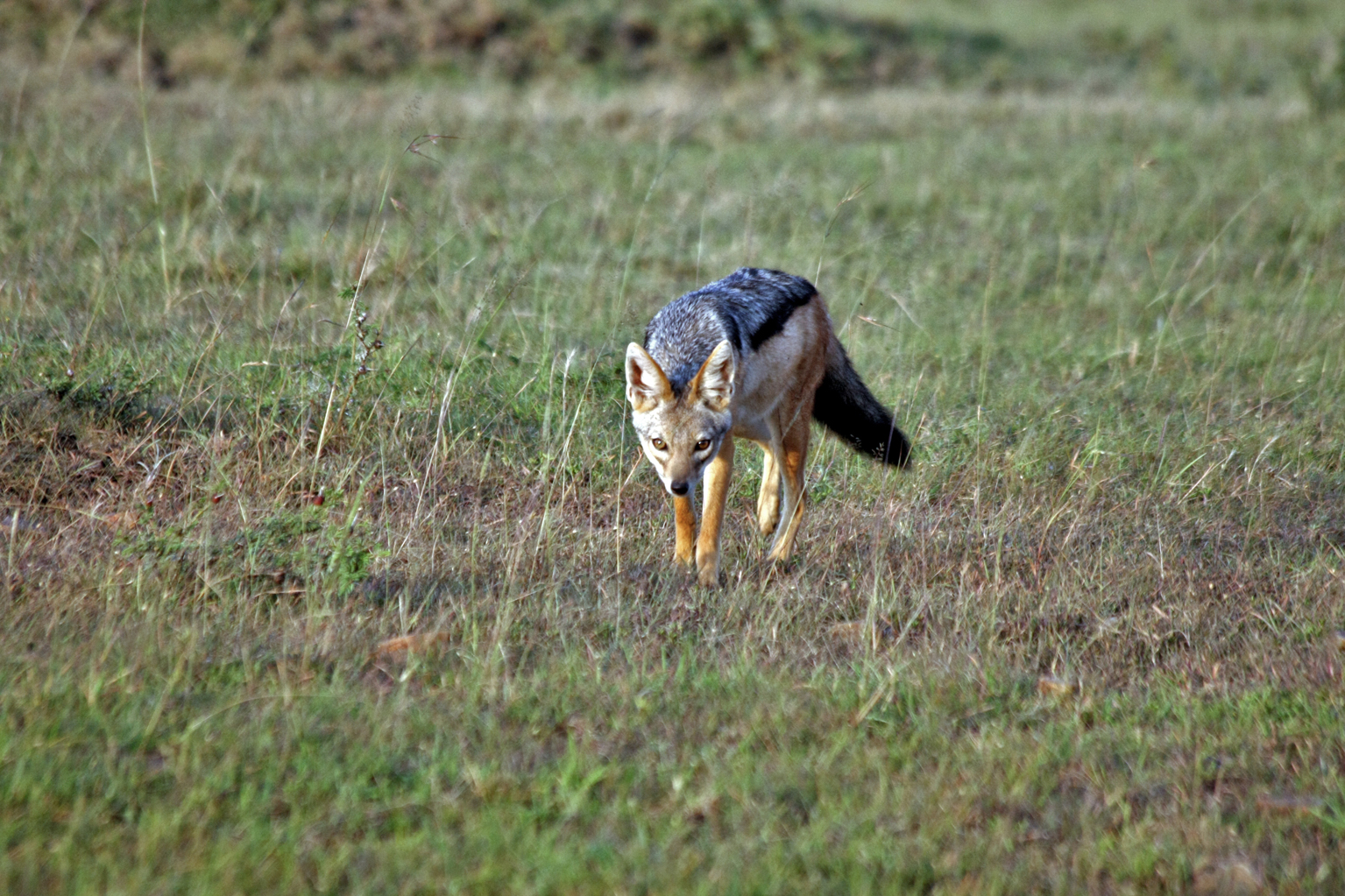
Just next to the wildebeest, over the crest of a hill, a few Hyena were in dispute as to which one was the rightful owner of a bit of wildebeest skin, which is all that remains of an earlier kill. With a few Jackals on the sidelines just waiting for the chance to run in and get a piece, this wasn’t going to happen because the Hyena that had claimed the skin was holding on to it tightly, running with it into some nearby bushes, no-one was taking that away from him.
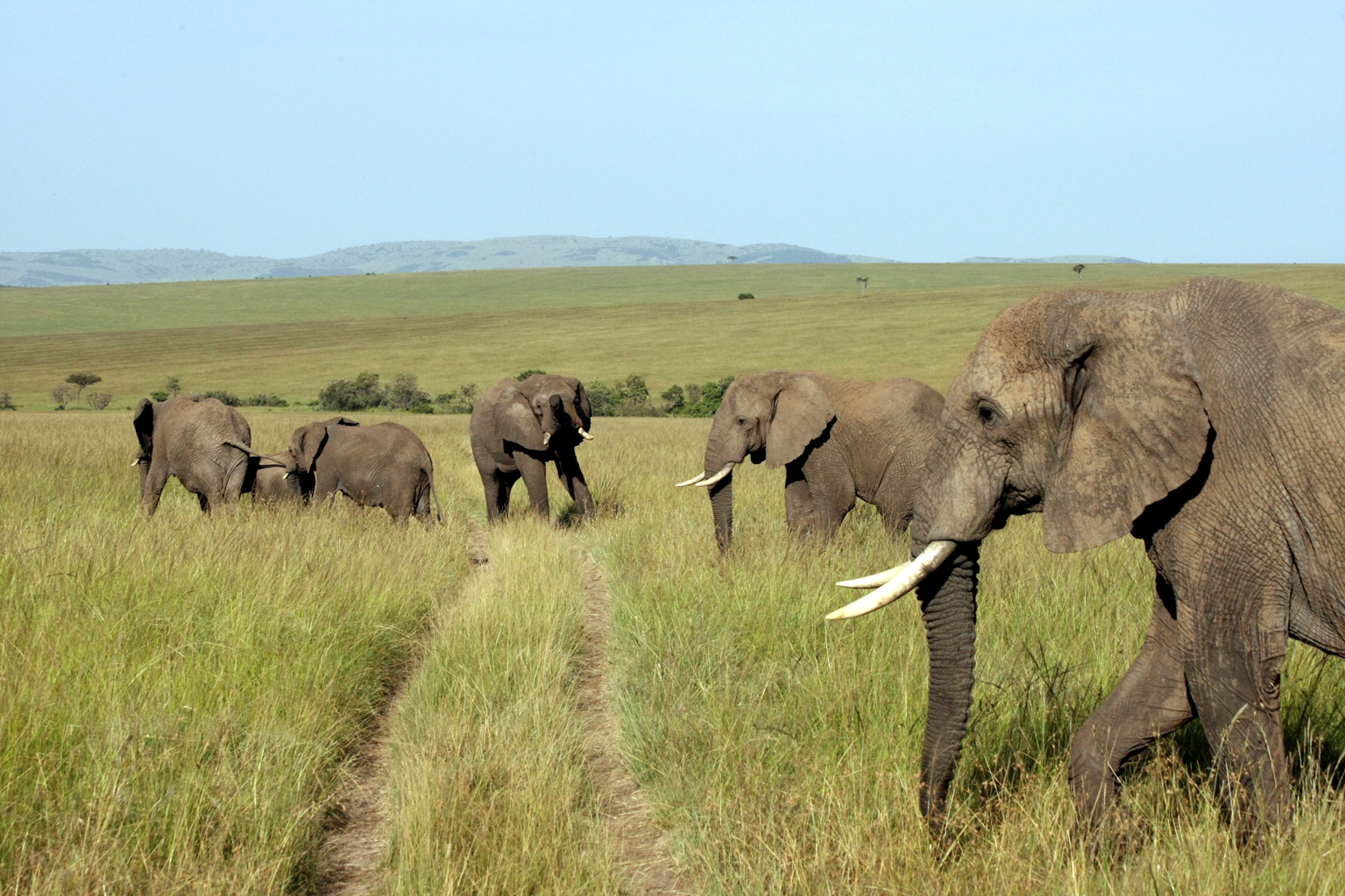
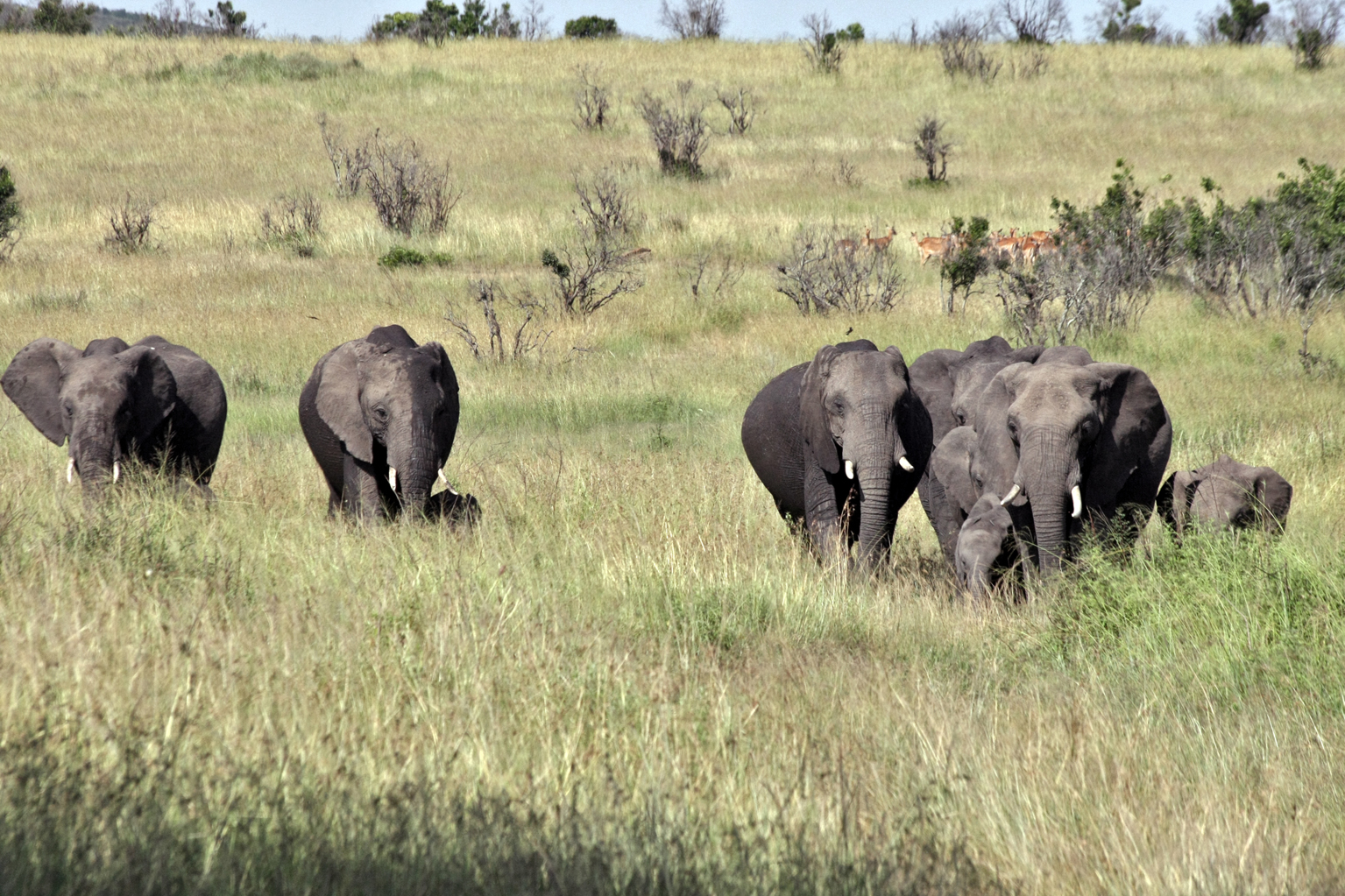
As we continued to drive there were many elephants on both sides of the main road, some by themselves, some in two’s and three’s and a few small families, but the strange thing was they all seemed to be moving quite fast, in some cases almost running. This to me, seemed unusual behavior and to Ken also as he commented on it.
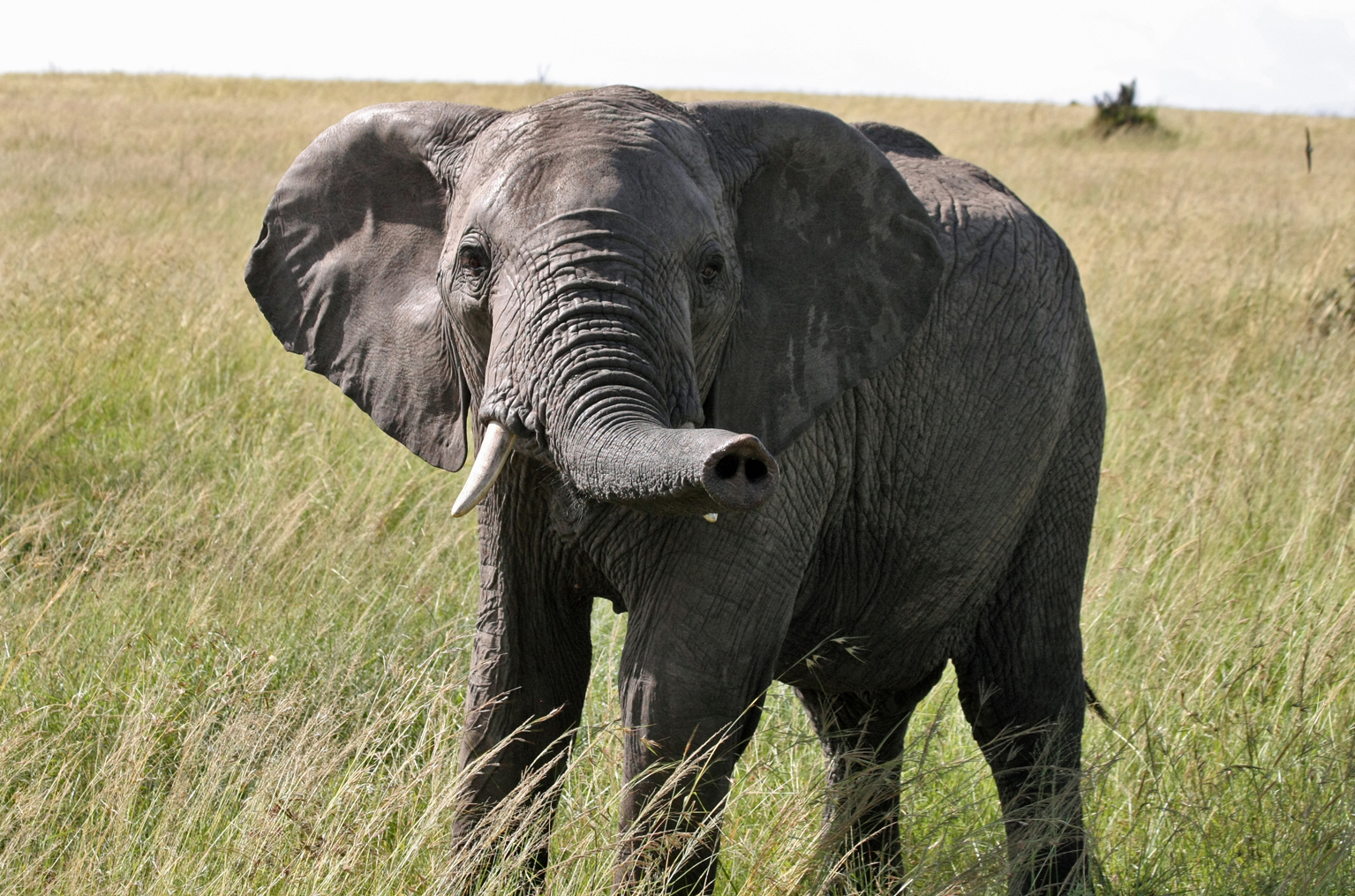
As we turned off the main road onto one of the tracks, we came across even more elephants. There was an energy, a sense of anticipation in the air, that involved just elephants and we were not included, it felt like they were all going to an elephant convention or something. One of the larger groups were crossing the track in front of us, and one elephant stood his ground, facing us as if daring us to disturb him, we had no choice but to stop and wait for them to move on.
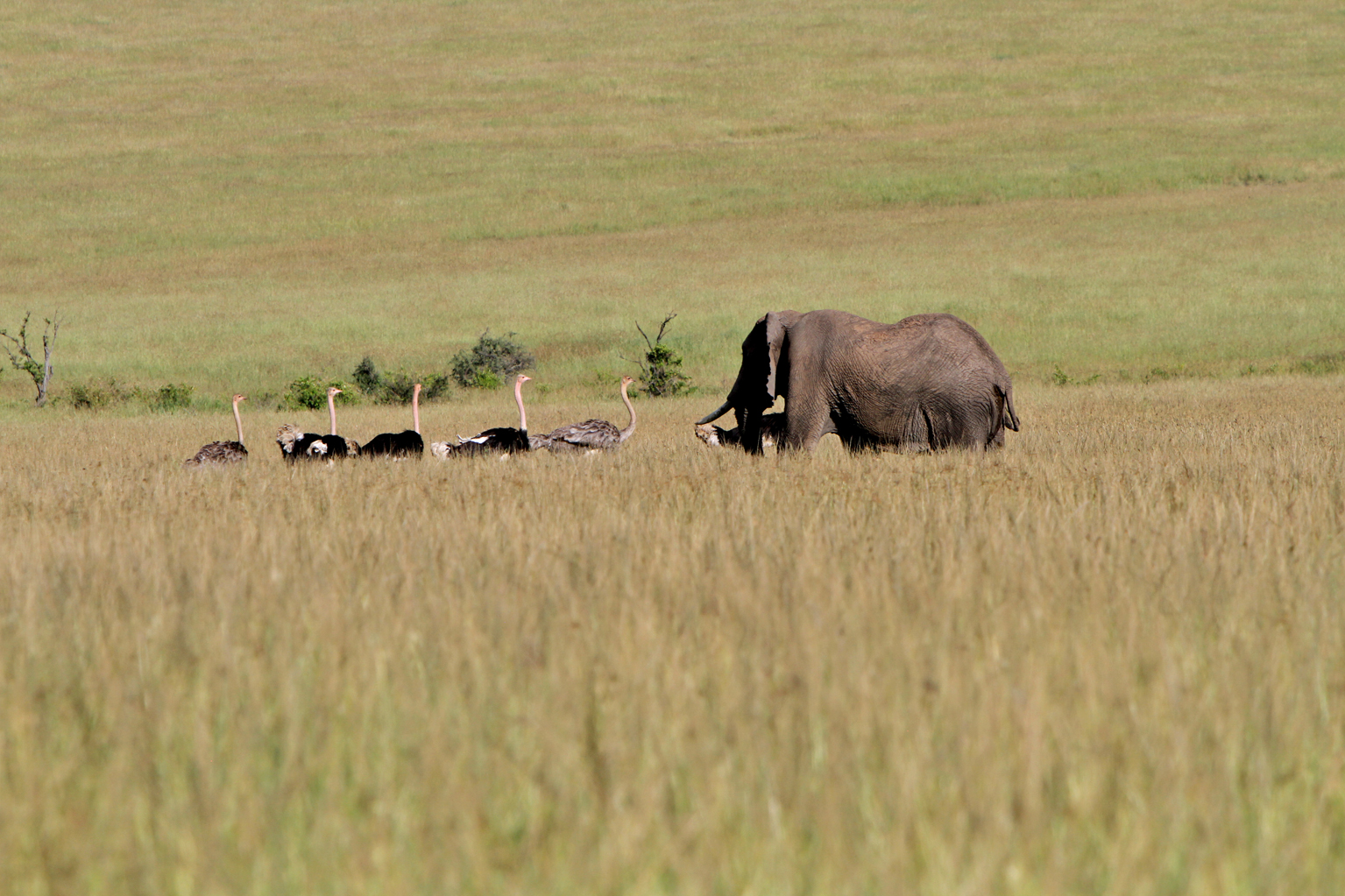
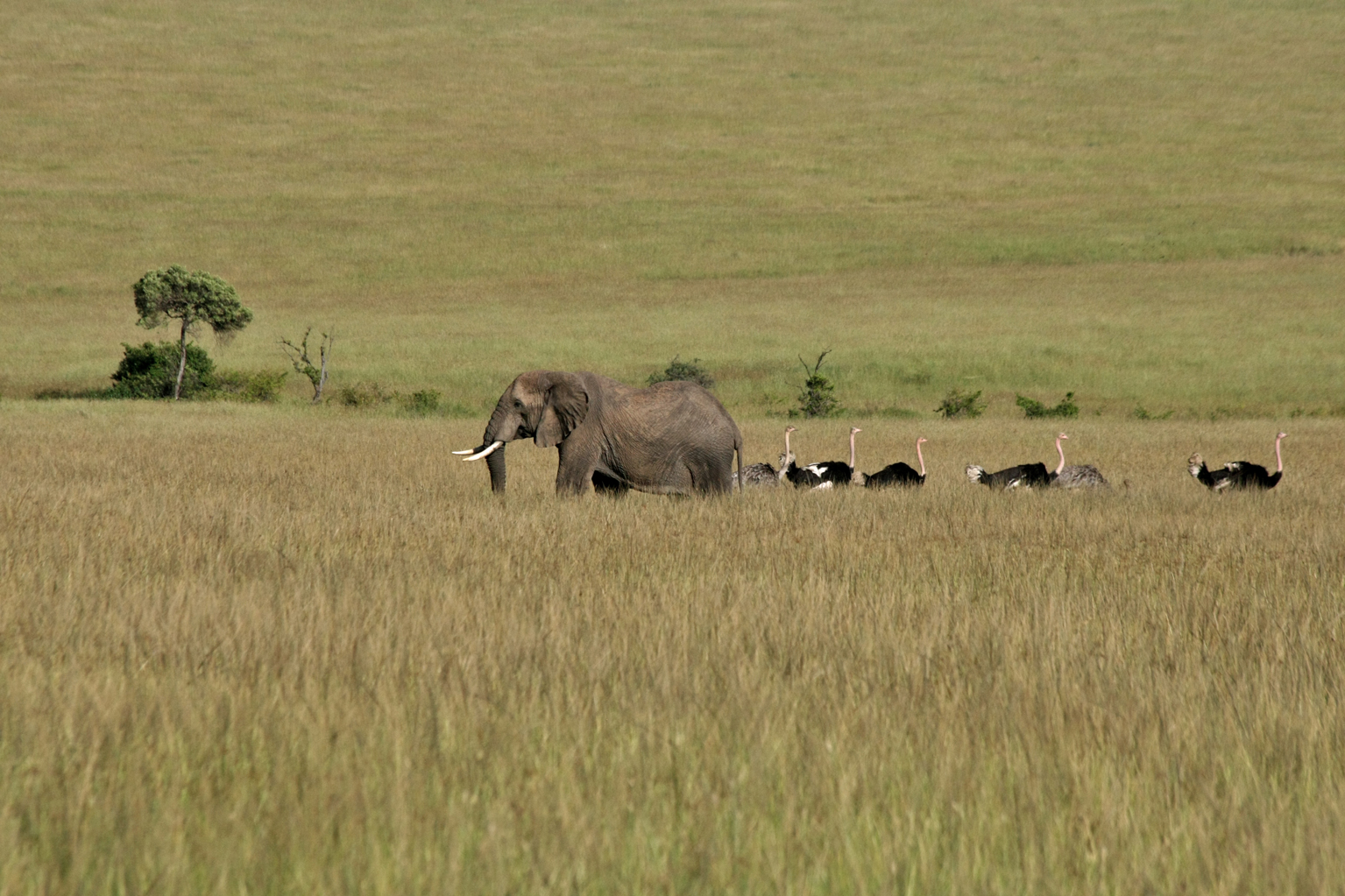
In fact there was so much activity out in the park this morning I didn’t know which way to direct my attention, on one side a line of ostriches moving in the opposite direction to the elephants, on the other a glimpse of movement in the long grass gave away the presence of a warthog, a large hawk in a dead tree ahead of us, and so many different kinds of small birds in nearly every tree and bush that we pass, constantly singing their own tunes making up a delightful background noise.
Since it was now time for breakfast we headed for our usual spot, our breakfast rock. When we arrived it was already taken, not by other tourists but by the blackrock females and their cubs. They were stretched out on the rock where we normally sit, resting and sleeping, occasionally looking up to see who was disturbing them. One of the mothers separated herself and her cub followed to suckle for a little while before placing her head next to her mother to sleep.
Needless to say, we had to find somewhere else. We stayed with them for a little while, took a few photos and took in the peaceful scene before us, before driving to another rock not too close to this one. We were joined for breakfast by a group of very noisy go away birds foraging in the treetops. They are named for their very loud call that sounds as if they are shouting ‘go away’.
Alson had heard that there was a leopard not too far away, close to the sand river, so we made our way over to it. On the way we saw three vehicles, minivans, at first, I thought they must be looking at something but then I noticed the drivers were out of their vehicles.
When they saw us, they started to frantically gesture to us to come over. One of the vans was well and truly stuck, to avoid the water on the road he had driven through the soft mud at the side, a bad mistake, and the other two had been trying to pull him out without success. Their own vehicles didn’t have enough power. Our driver had to get through the water first then reverse to pull him out, the water as you can see from the photo is quite deep, but the venture was successful, and the driver very thankful.
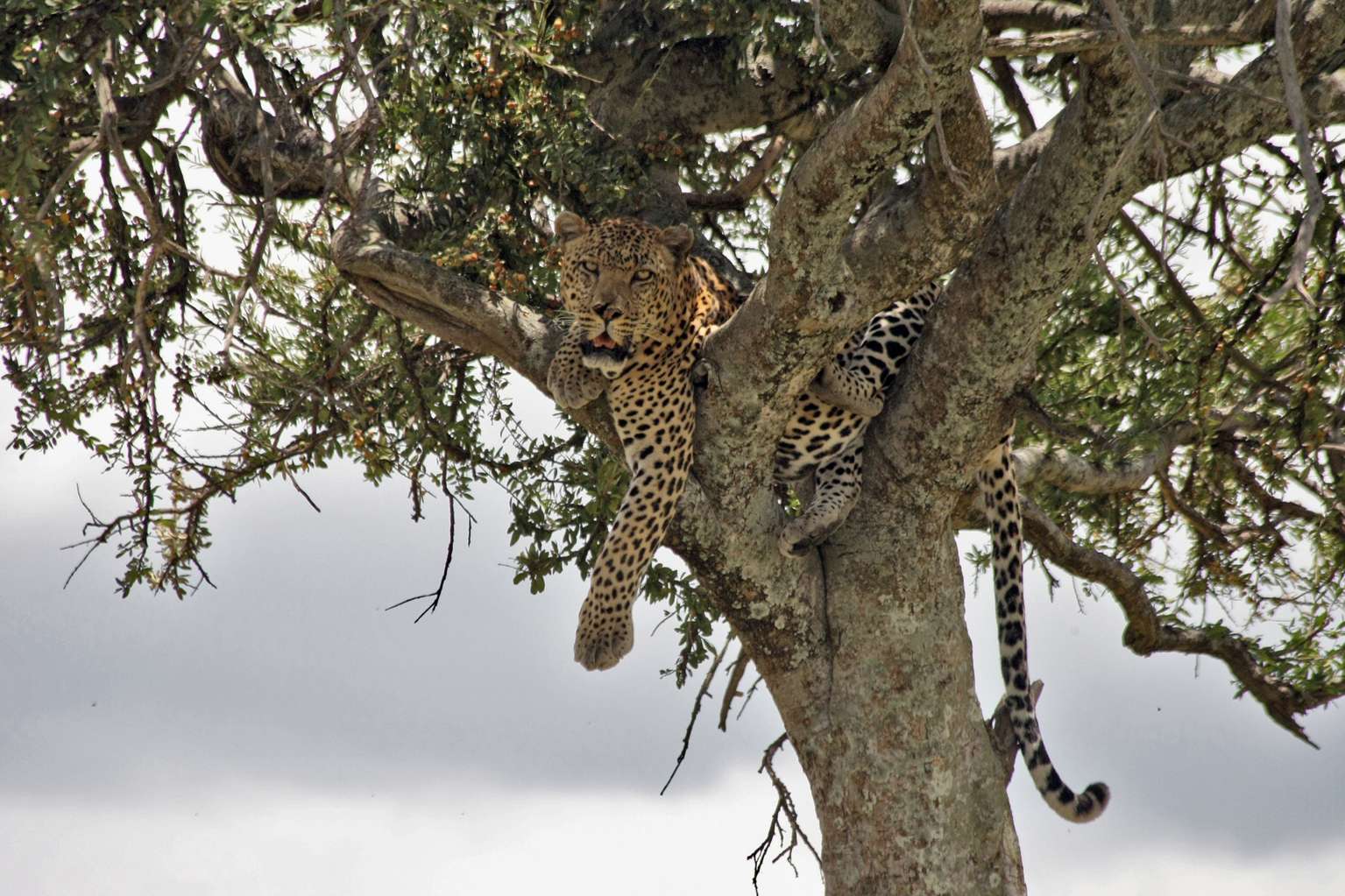
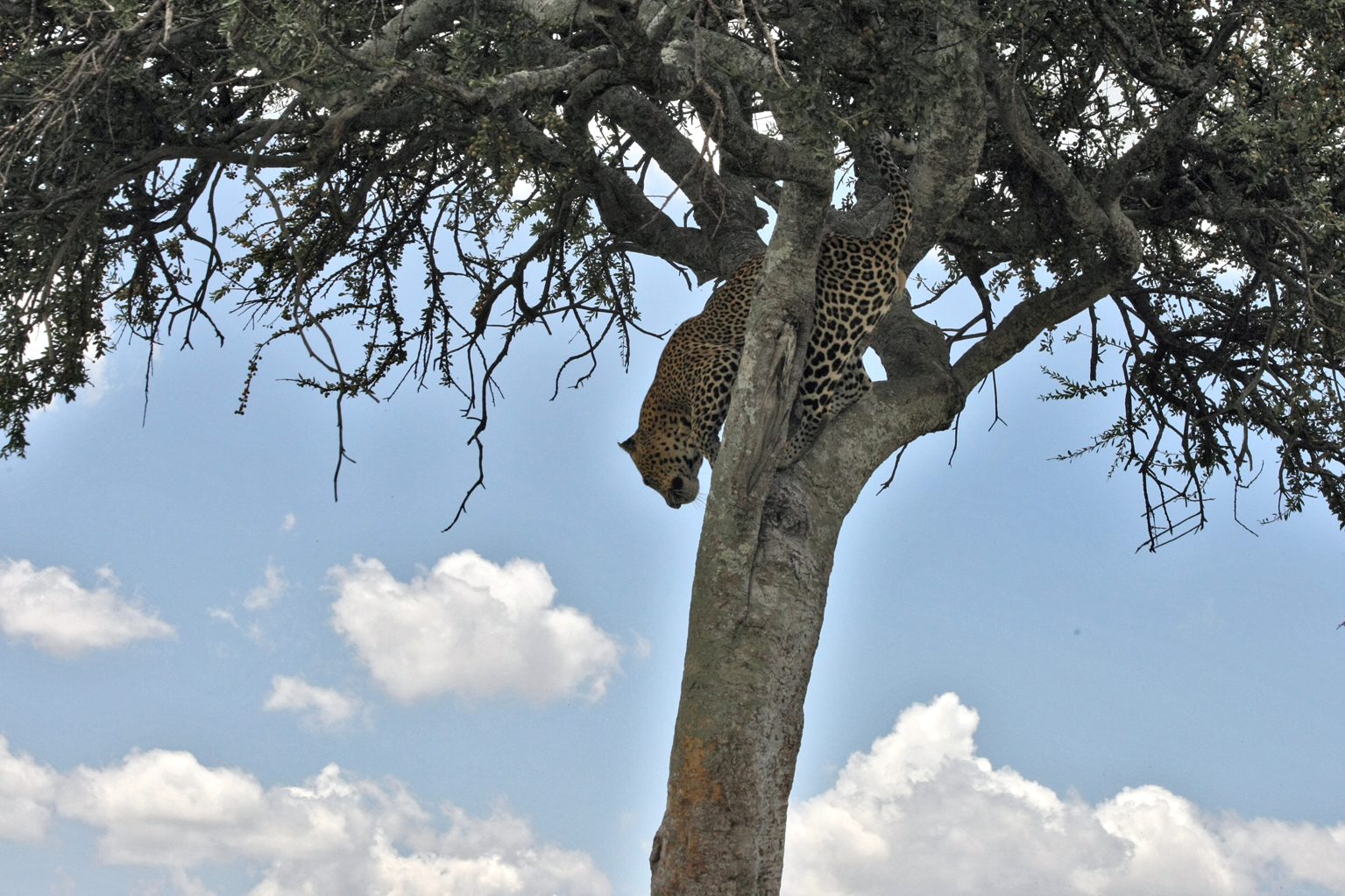
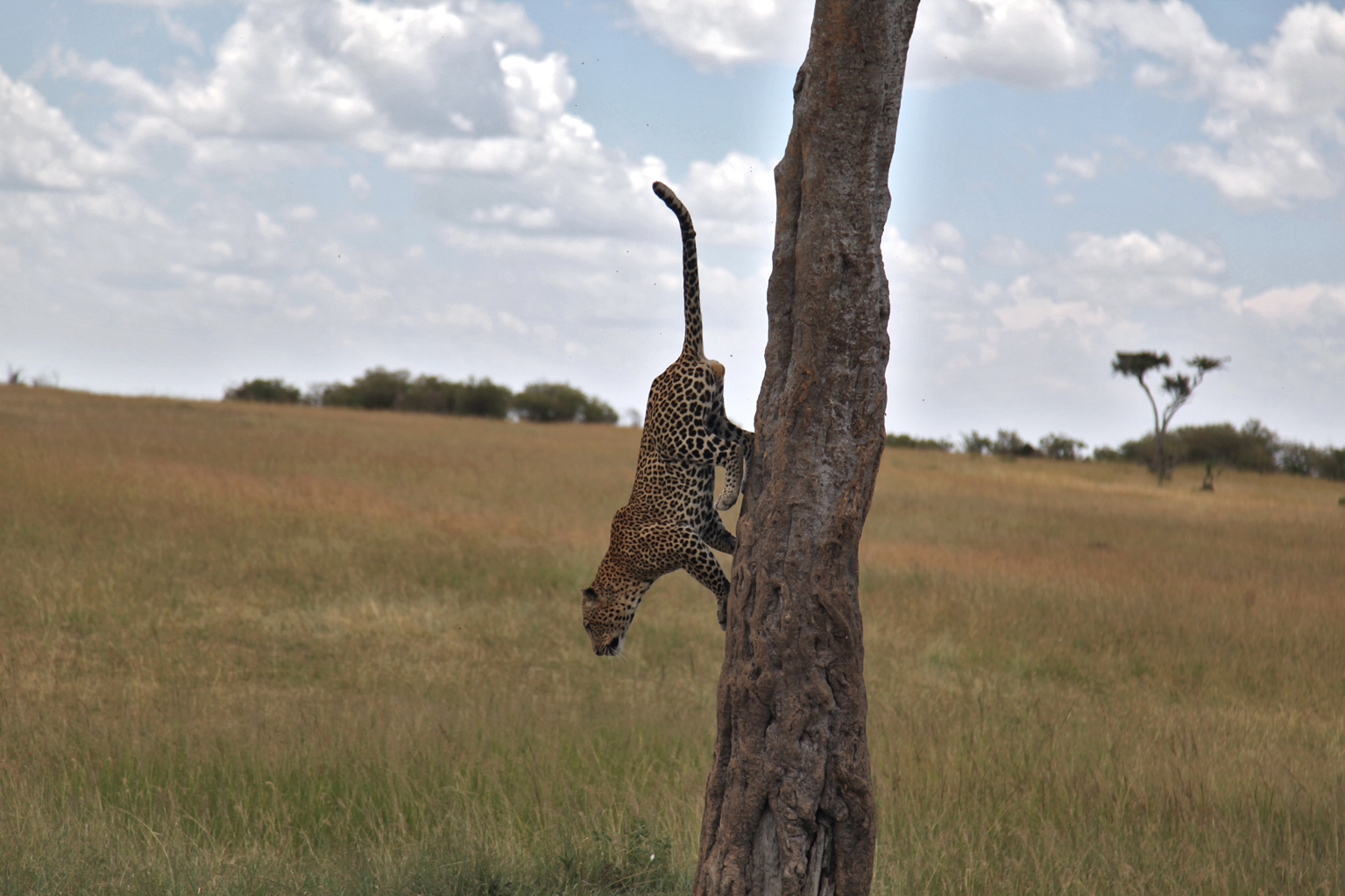
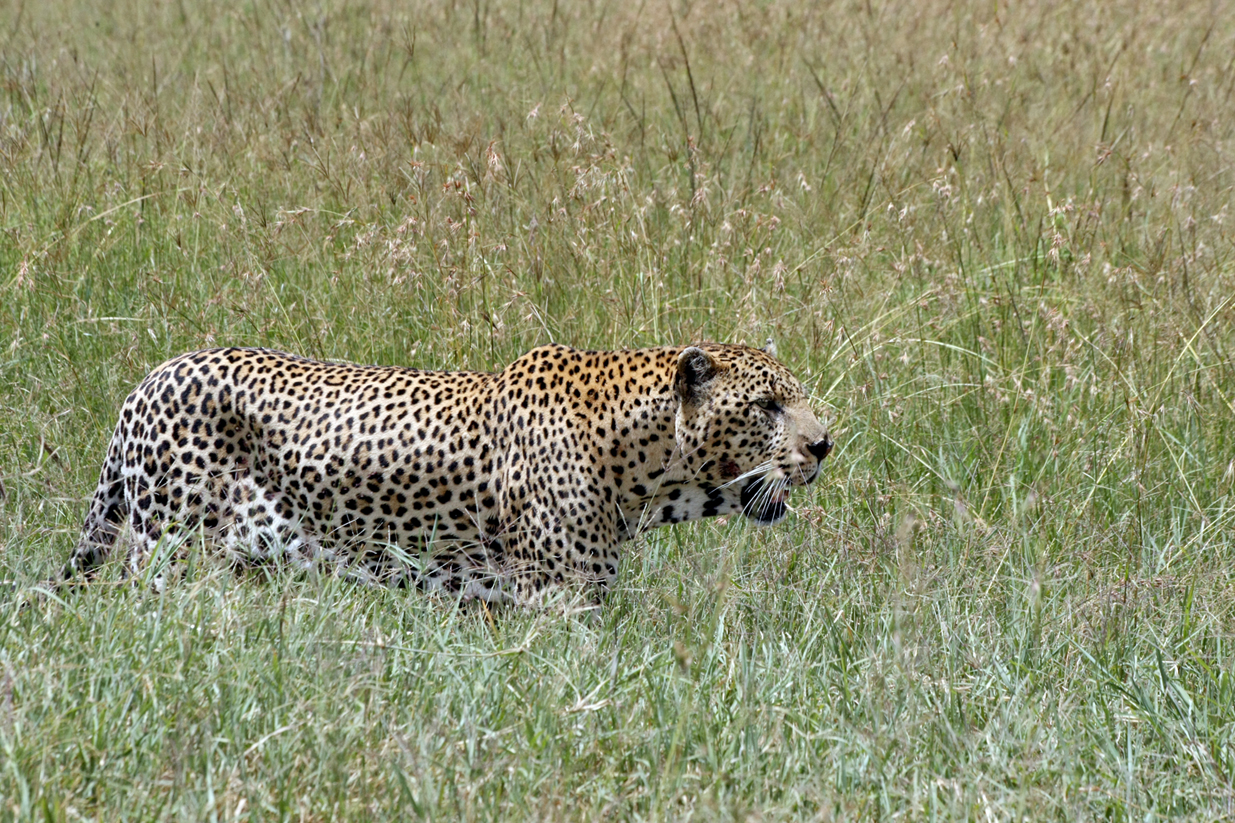
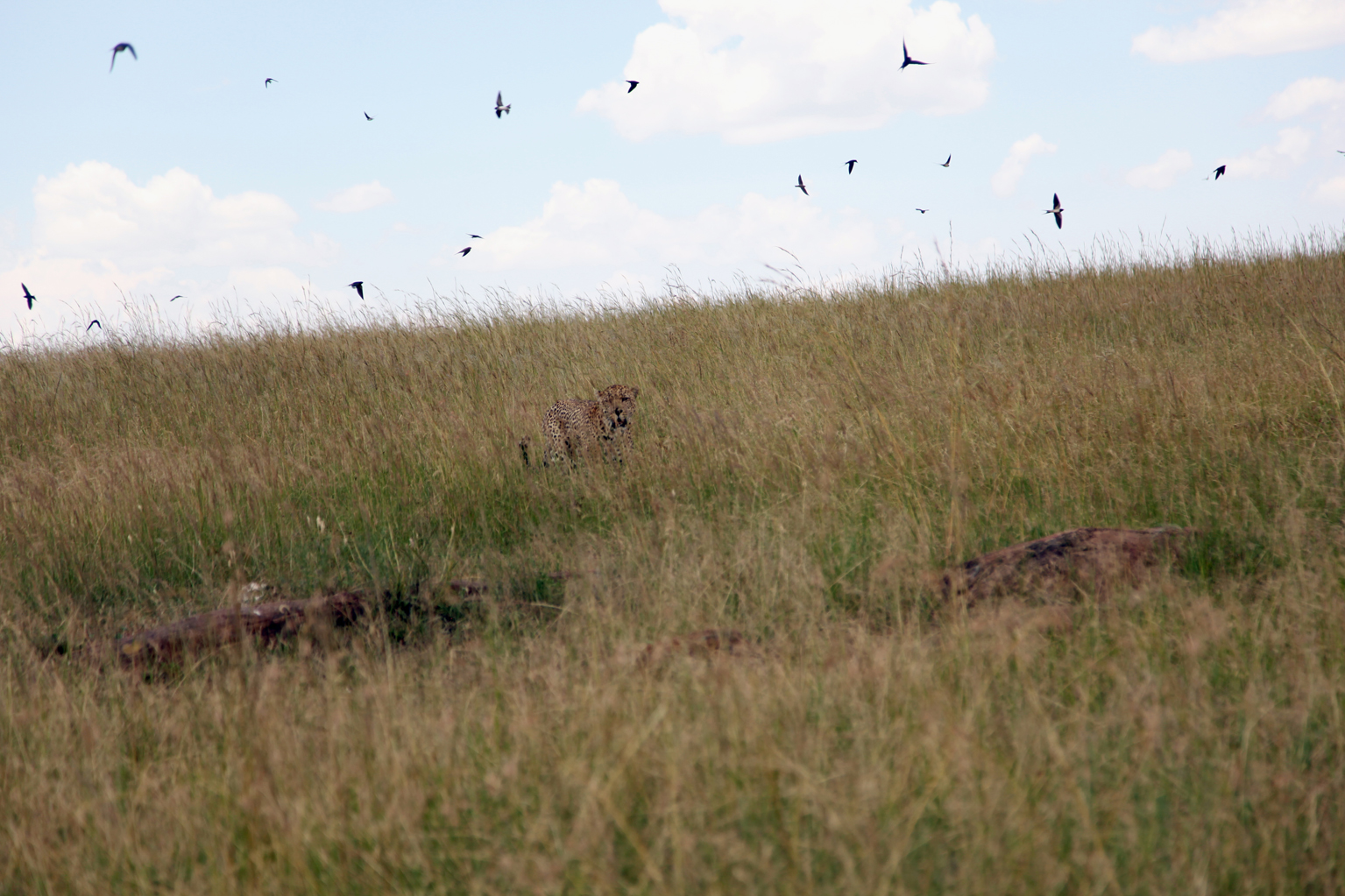
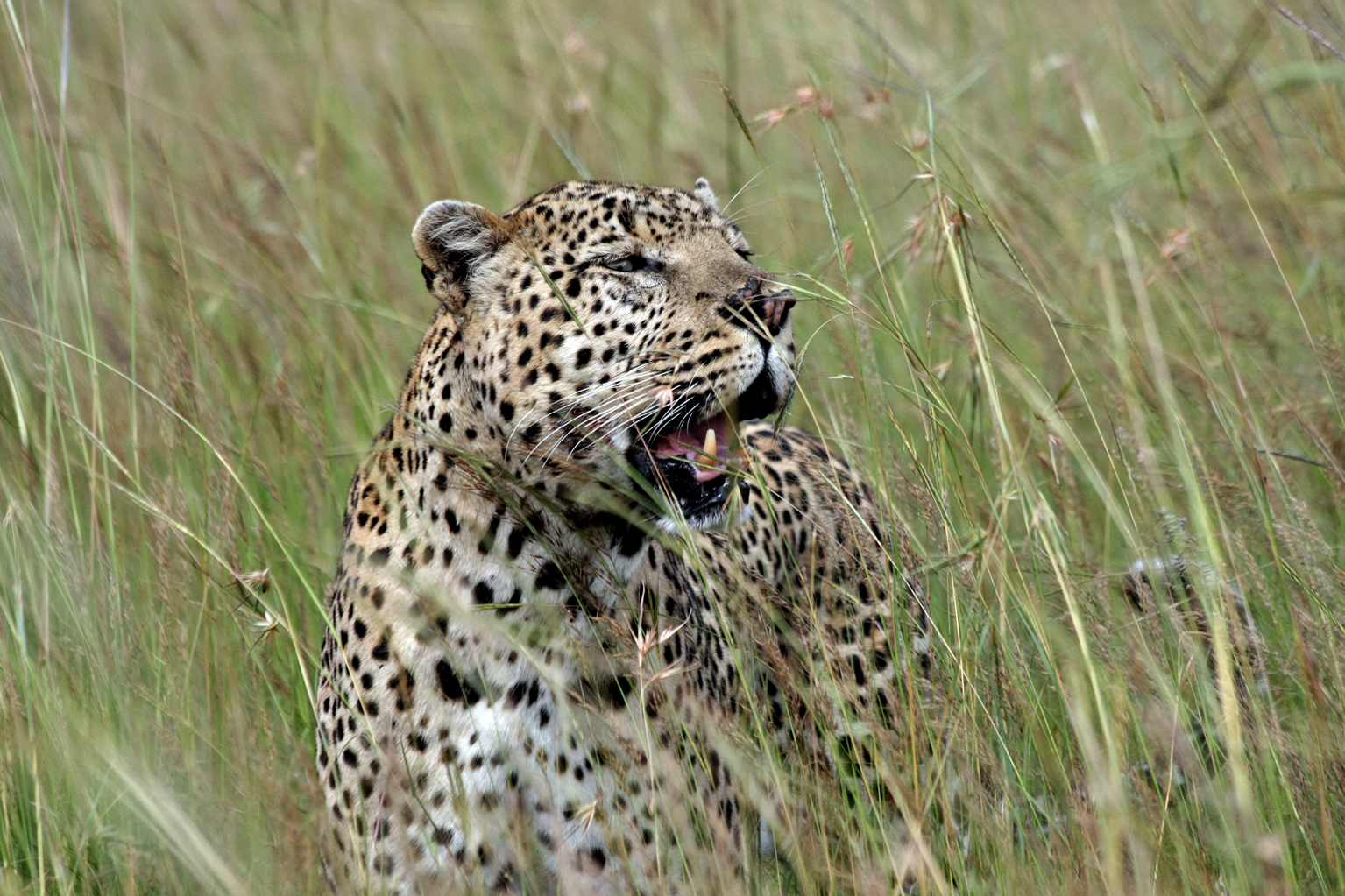
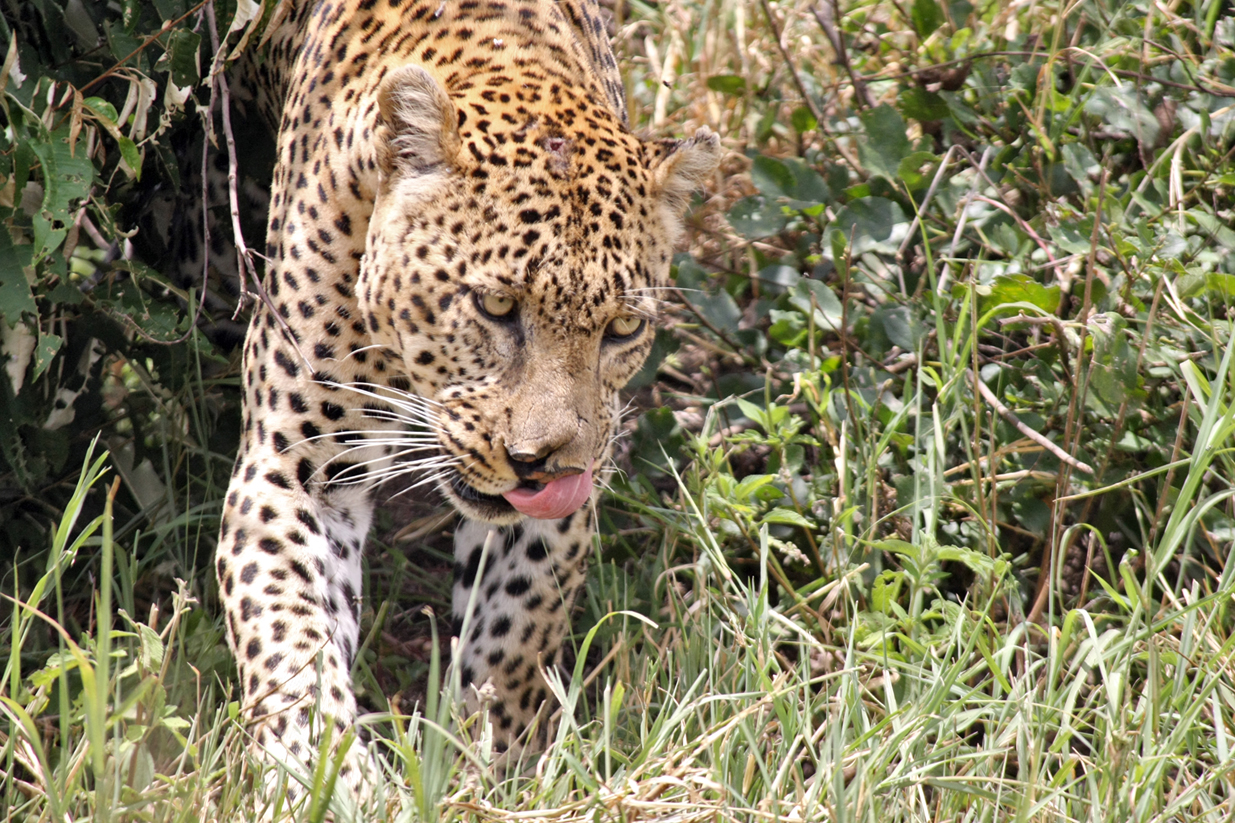
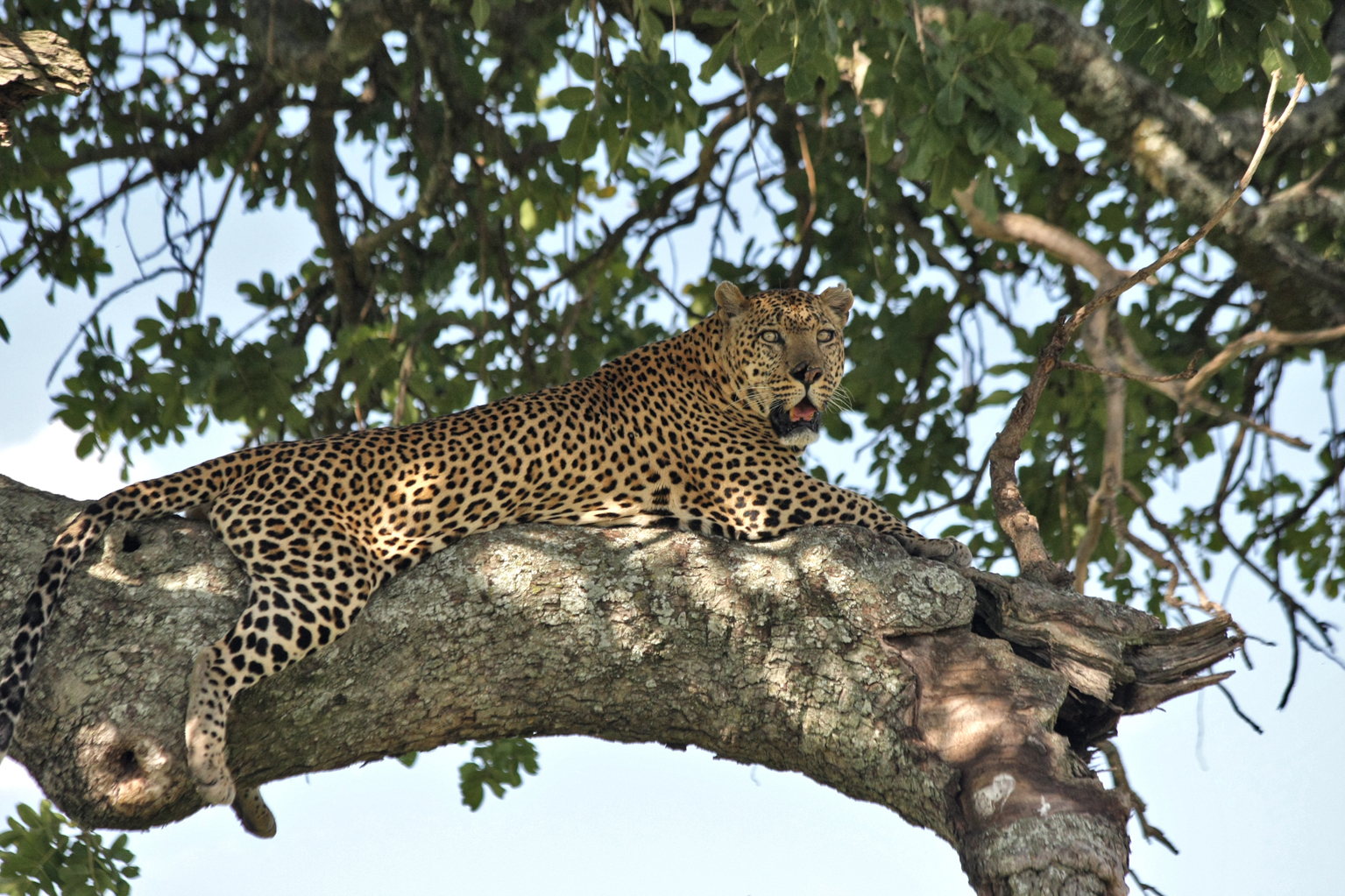
We continued on our way towards the Leopard, when we find him, not surprisingly he is in a tree. There are already a few other vehicles there watching him. This Leopard is very familiar face in this area, when you can find him, as he does tend to travel large distances. He is a large male named split nose. He got his name a good few years ago when he got into a fight with a warthog who managed to escape by attacking the Leopard with his tusks and splitting his nose as you can see from the photos.
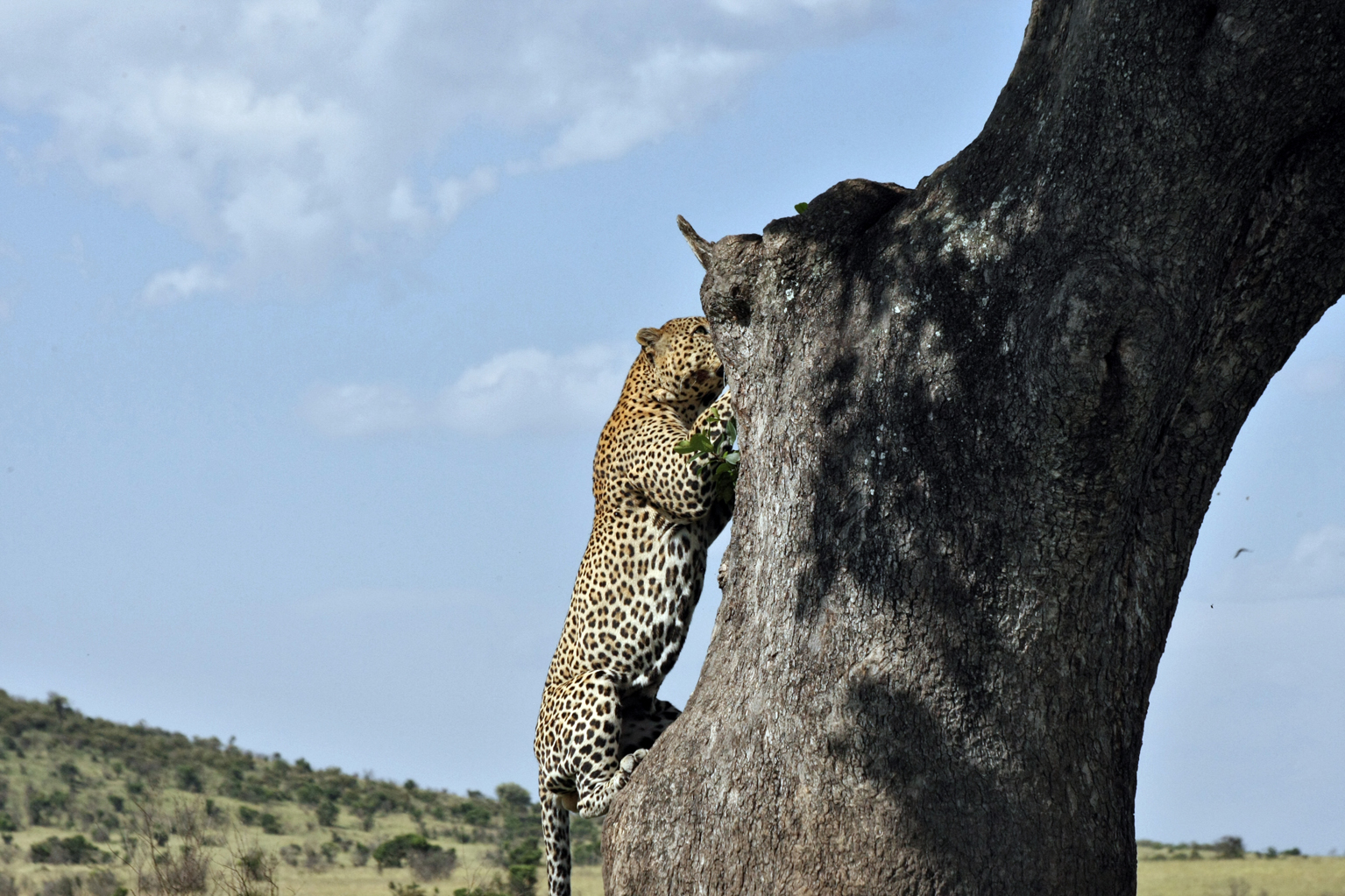
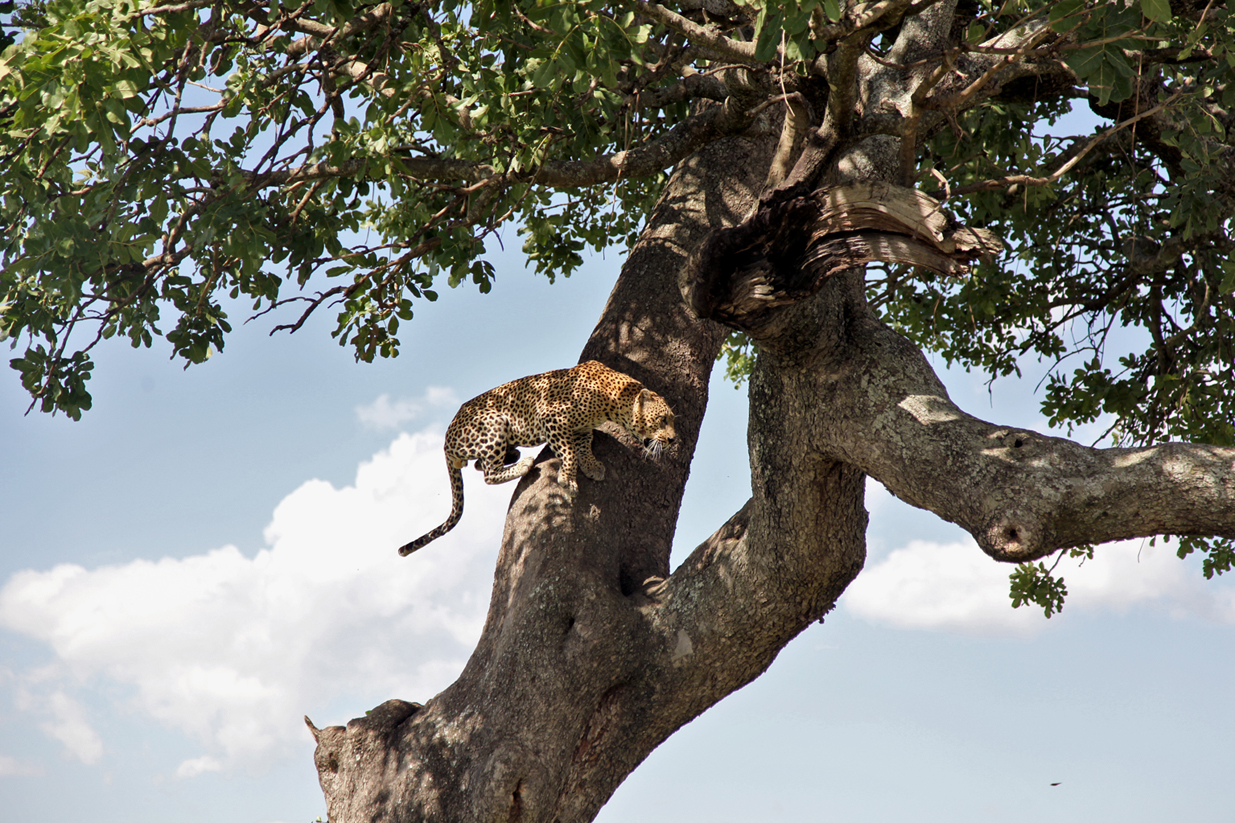
At around 13 years he is also one of the oldest Leopards in the Mara, generally Leopards in the wild live to between 12 and 15 years. He is looking quite comfortable and relaxed in the tree, but it’s not long before he decides to come down. The powerful shoulders and strong claws help leopards become the best climbers of all the big cats. Apart from when stashing a kill in a tree to keep it safe from other predators they also like to rest in trees with a dense canopy in order to escape the heat of the day, this is why clear shots of a leopard in a tree is difficult to get.
Once he is down it is clear to see that he is looking quite thin, I don’t think he has eaten for a while, but he has lived a long time and so is well able to take care of himself. He starts walking and we all follow. As he walks and the vehicles move, the air is suddenly filled with swallows circling swooping and soaring above our heads, the reason for this is that as the leopard and the cars move through the long grass, the insects are disturbed and fly up out of the grass where they are promptly eaten by the swallows.
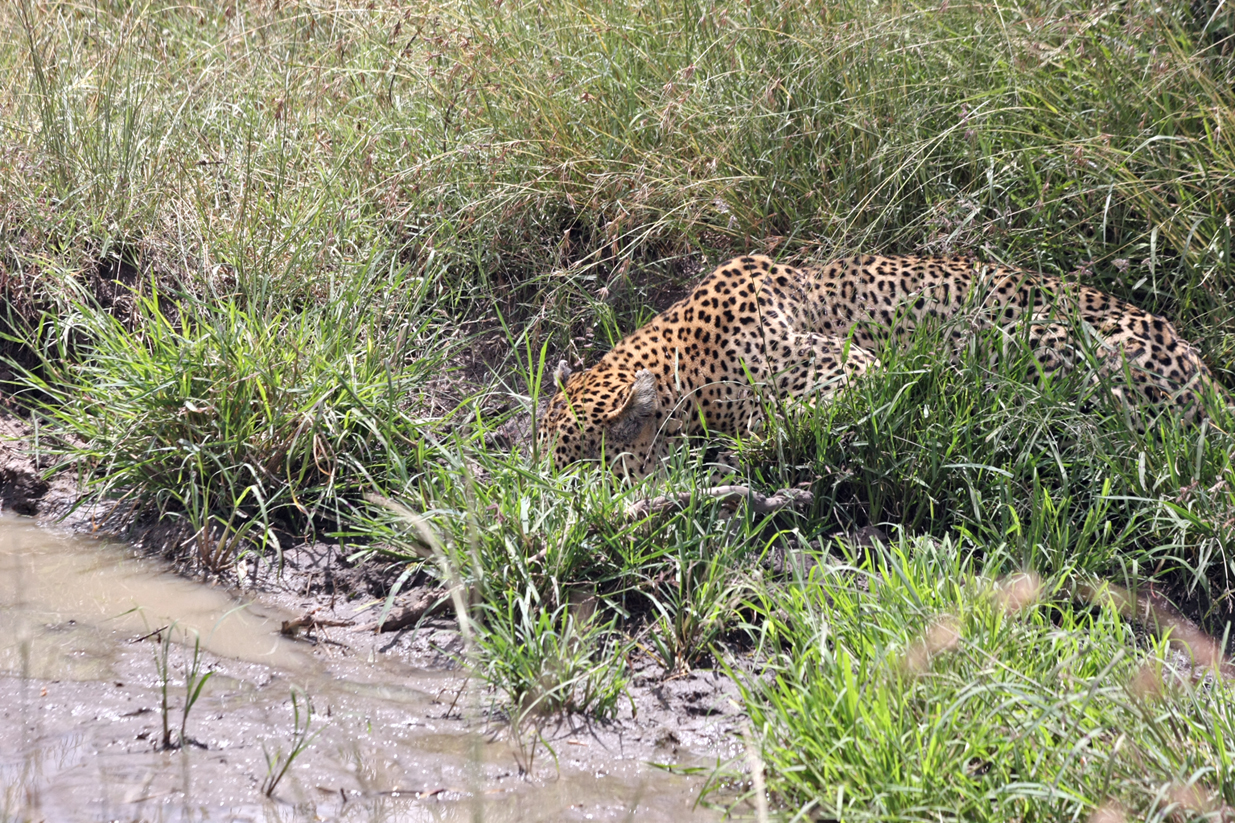
It has been a very hot day but now there is a cool breeze getting up, which is quite refreshing, signaling possible rain to come, dark clouds are gathering in the distance. He continues to walk, and we continue to follow, he stops occasionally to take a drink from some muddy water, or to take cover from the sun in a bush for a few minutes. Alison points to a large sausage tree down near the river, there is also a herd of Impala nearby and so he thinks that’s where the leopard is heading. The sausage tree doesn’t have any sausages on it, it is a sausageless, sausage tree, but it has thick cover.
We drove straight towards the tree and waited for split nose to catch up. Alison was right, he went directly to the tree, climbed up and settled on a large, lower branch. Yet another group of elephants came towards us, or maybe it was the same group from this morning, it looks to me like the same group. They passed right underneath the tree, but split nose just ignored them and closed his eyes. As I was taking a photo of the elephants one of them approached our car and pointed his trunk straight at me, I think he was smelling us, I believe they are very good at that, so maybe he recognized us from earlier as well. It looked like split nose was settling down for the evening but just then he saw a troop of baboons in a tree not too far away and in a flash, he was up and out of the tree, hiding himself in the long grass. Leopards don’t like to be near baboons they are mortal enemies, he may be old, but he still has good instincts.
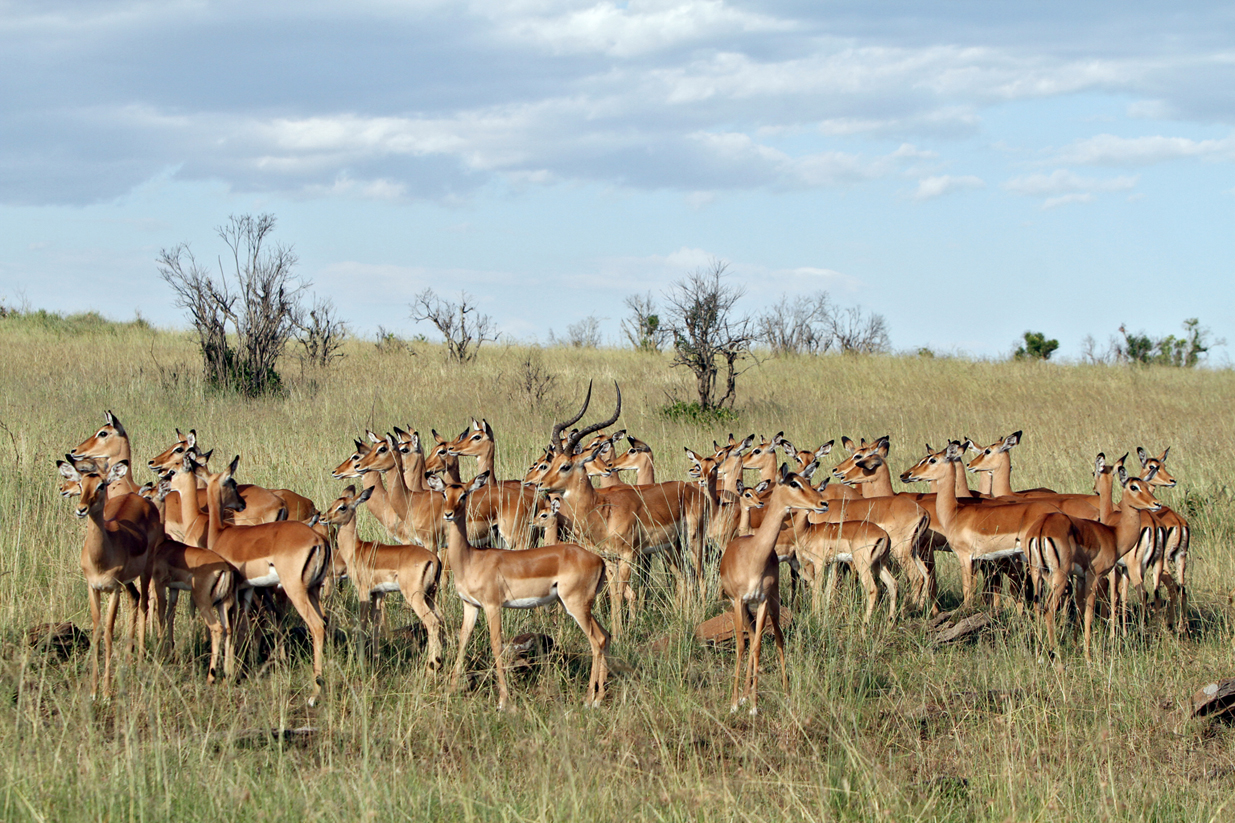
We left him there as it was time to head home but I had to take photos of the Impala as we passed, they are such lovely, delicate animals. I wonder if split nose will try to hunt one of them when they go to drink from the river as the sun goes down.
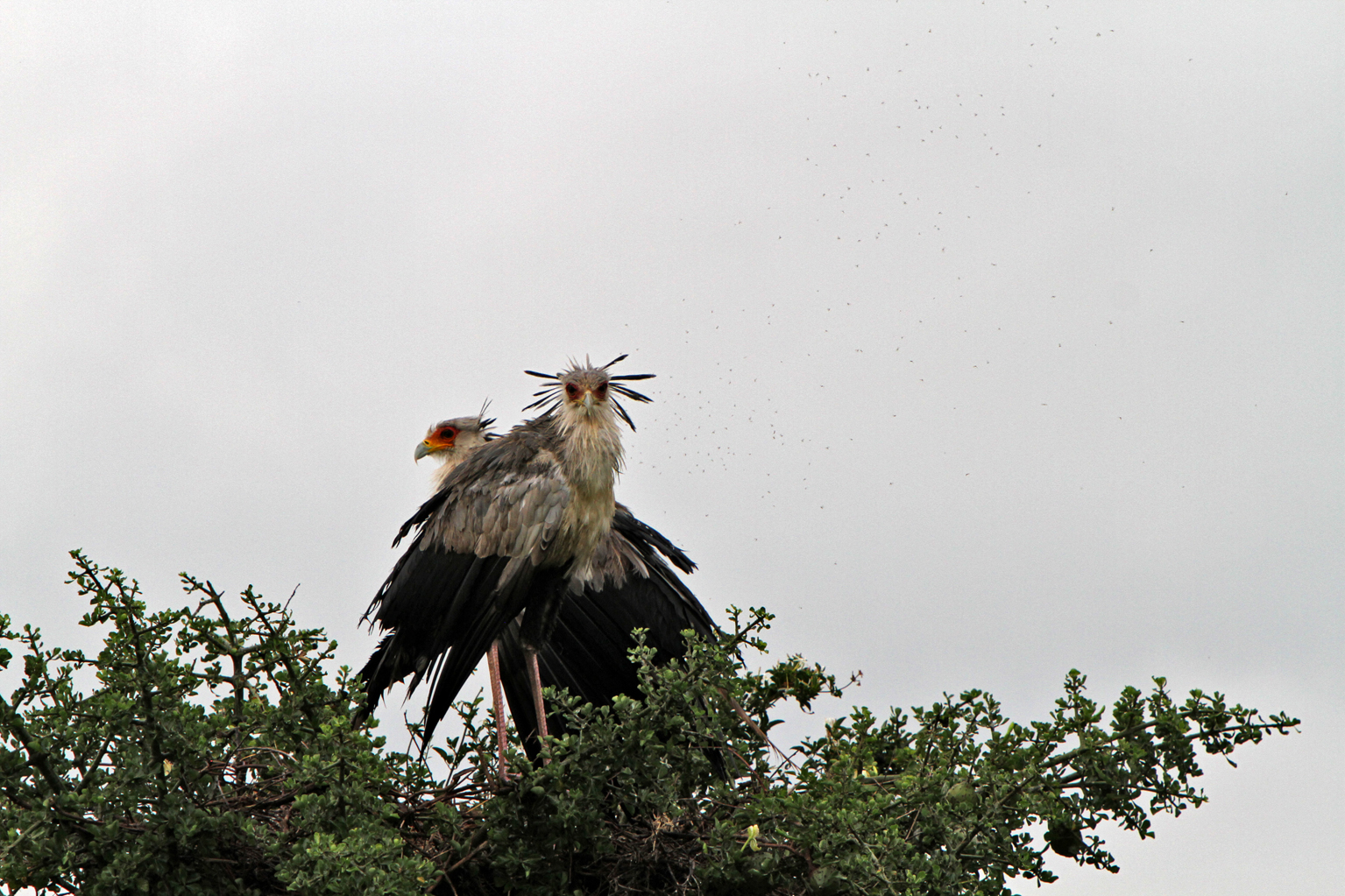
There was no crimson sky this morning, it had been raining most of the night, not heavy rain but continuous. Instead, we had low lying, thick, heavy mist that dampened all sounds. We could only catch a glimpse of the hills in front of us as the mist slowly rolls over them. Water droplets form on the windscreen as the mist condenses on the glass. There will be no sunrise to see this morning. We pass two scruffy looking secretary birds, feathers ruffled in the damp air.
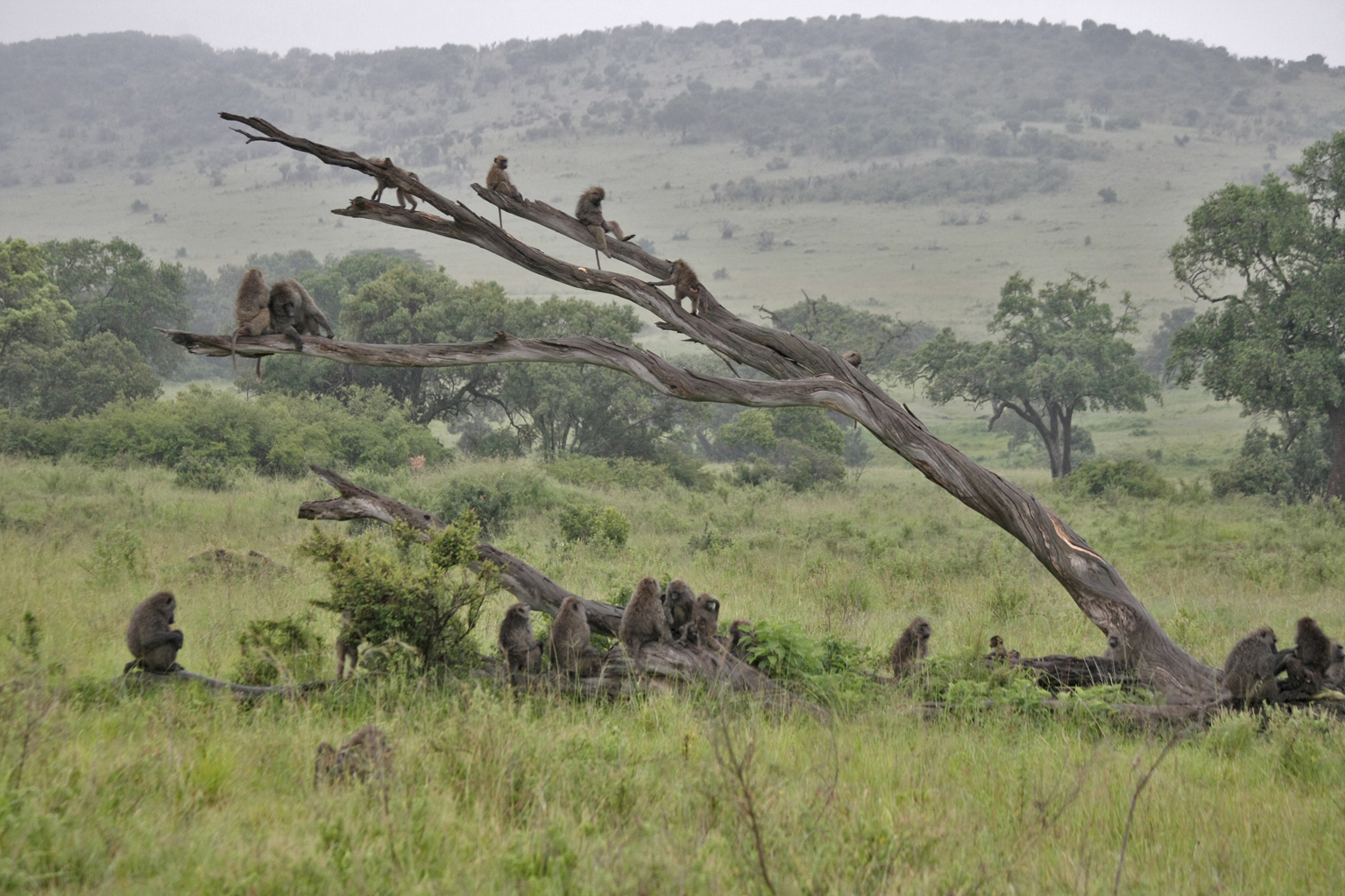
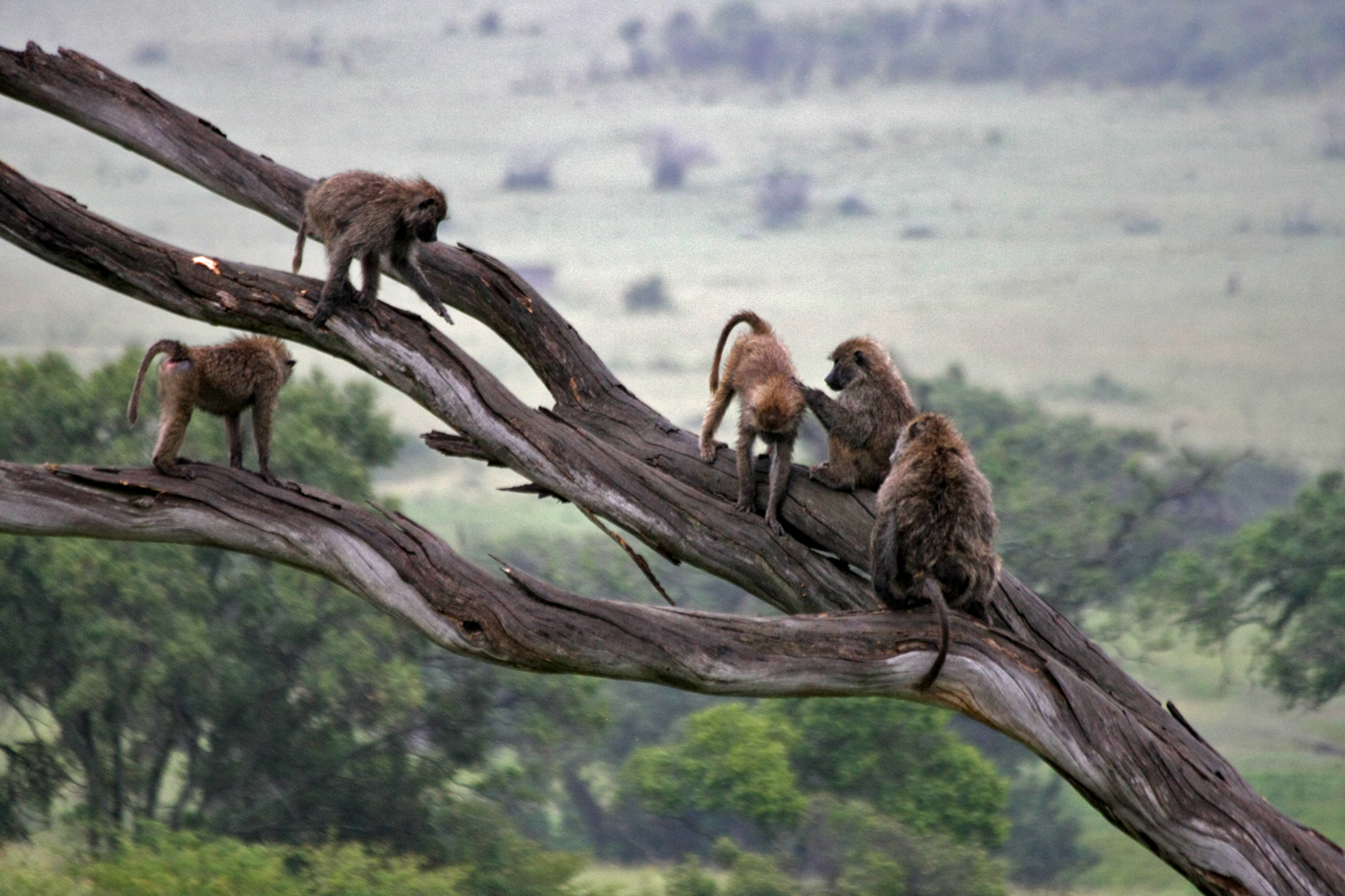
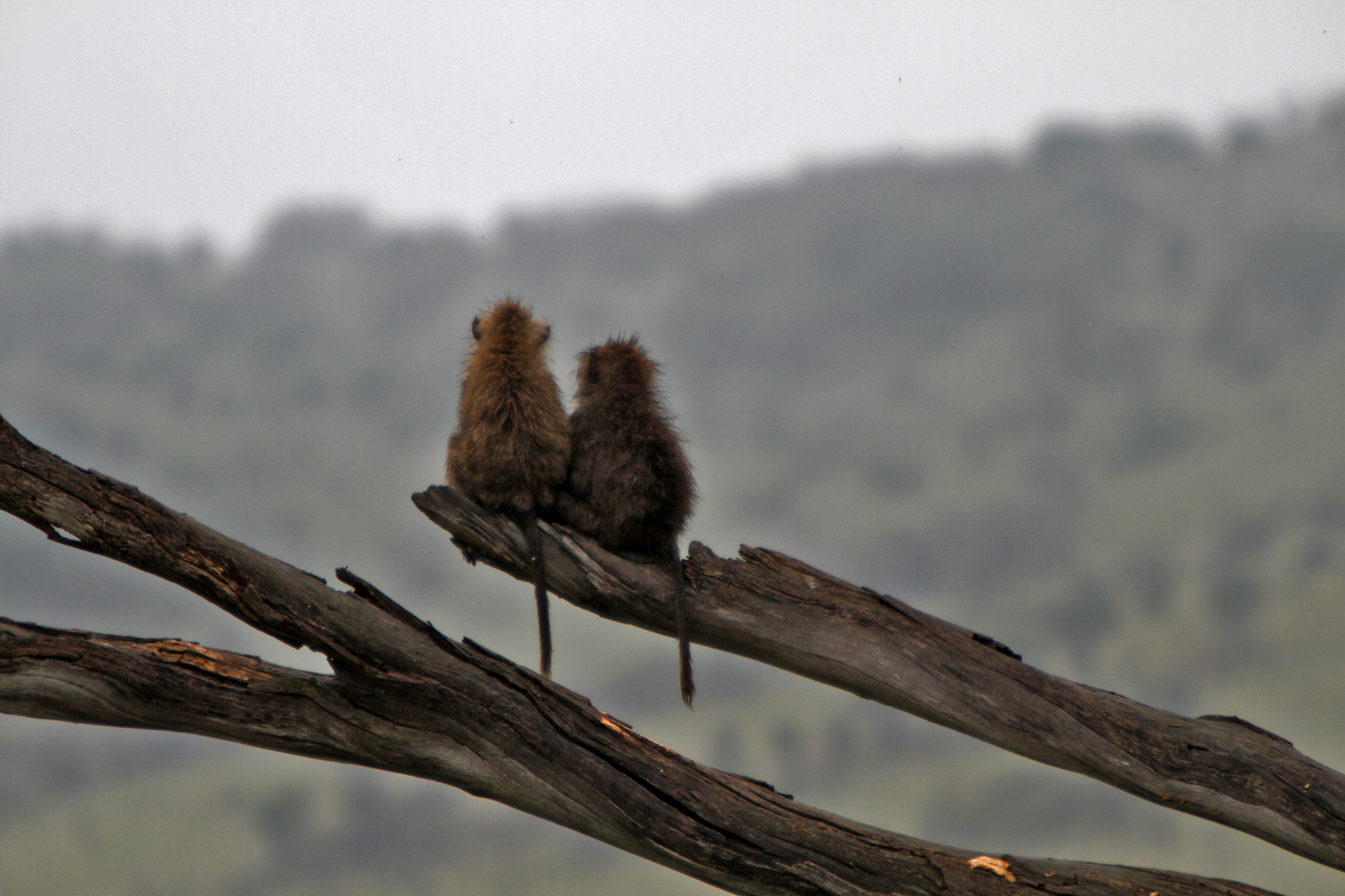
For two hours we don’t even see another vehicle, but as the mist begins to lift Alison notices a large troup of baboons, so we take a short detour and head over to see them. This is a large troup indeed, around 40 to 50 members hanging out in a large healthy tree, a long dead fallen tree and all over the ground in between the two.
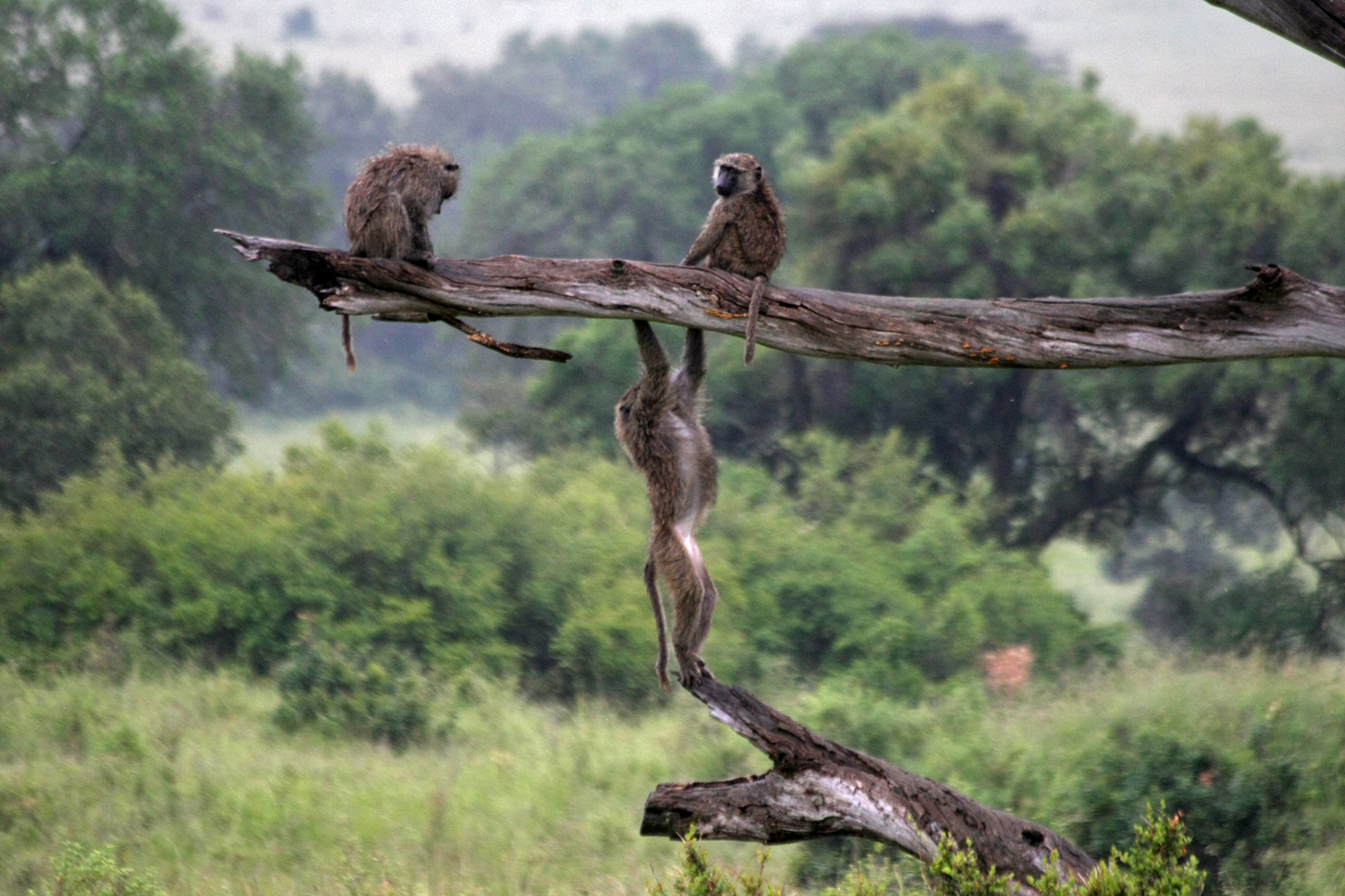
They were just doing everyday baboon things such as grooming and foraging, the young ones were playing games, chasing each other, play fighting, swinging out of the trees, hanging upside down and generally performing all sorts of acrobatics, they were very amusing especially when one of the dead branches gave way and fell to the ground, this caused panic and alarmed the young ones and they fled to the other side of the fallen tree.
In the other tree One of the large male baboons was chastising some of the smaller ones, keeping them in line by a lot of screeching and chasing them to the very tips of the branches where they held on only by their fingers, one young one didn’t hold on well enough and dropped to the floor like a stone.
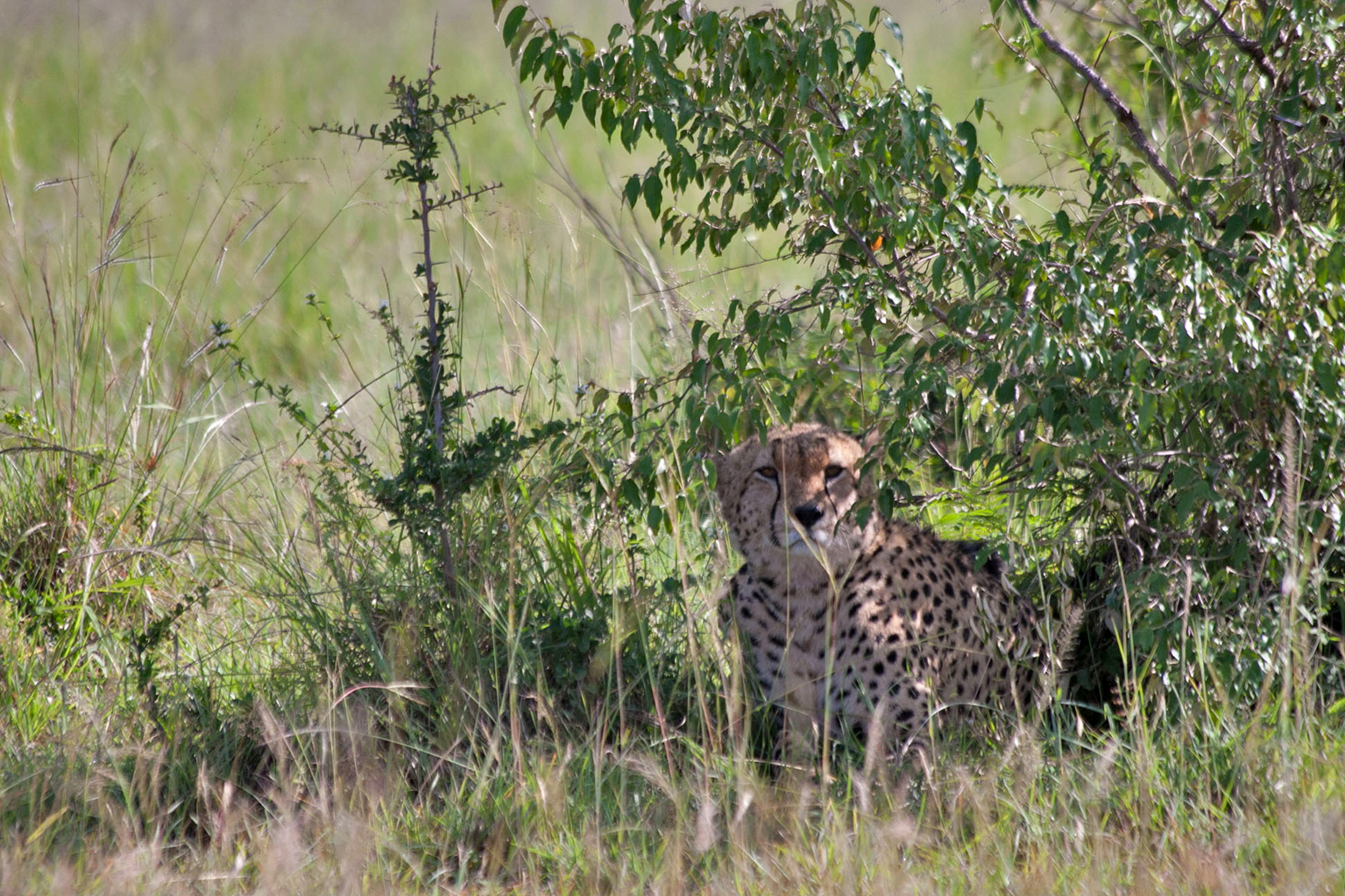
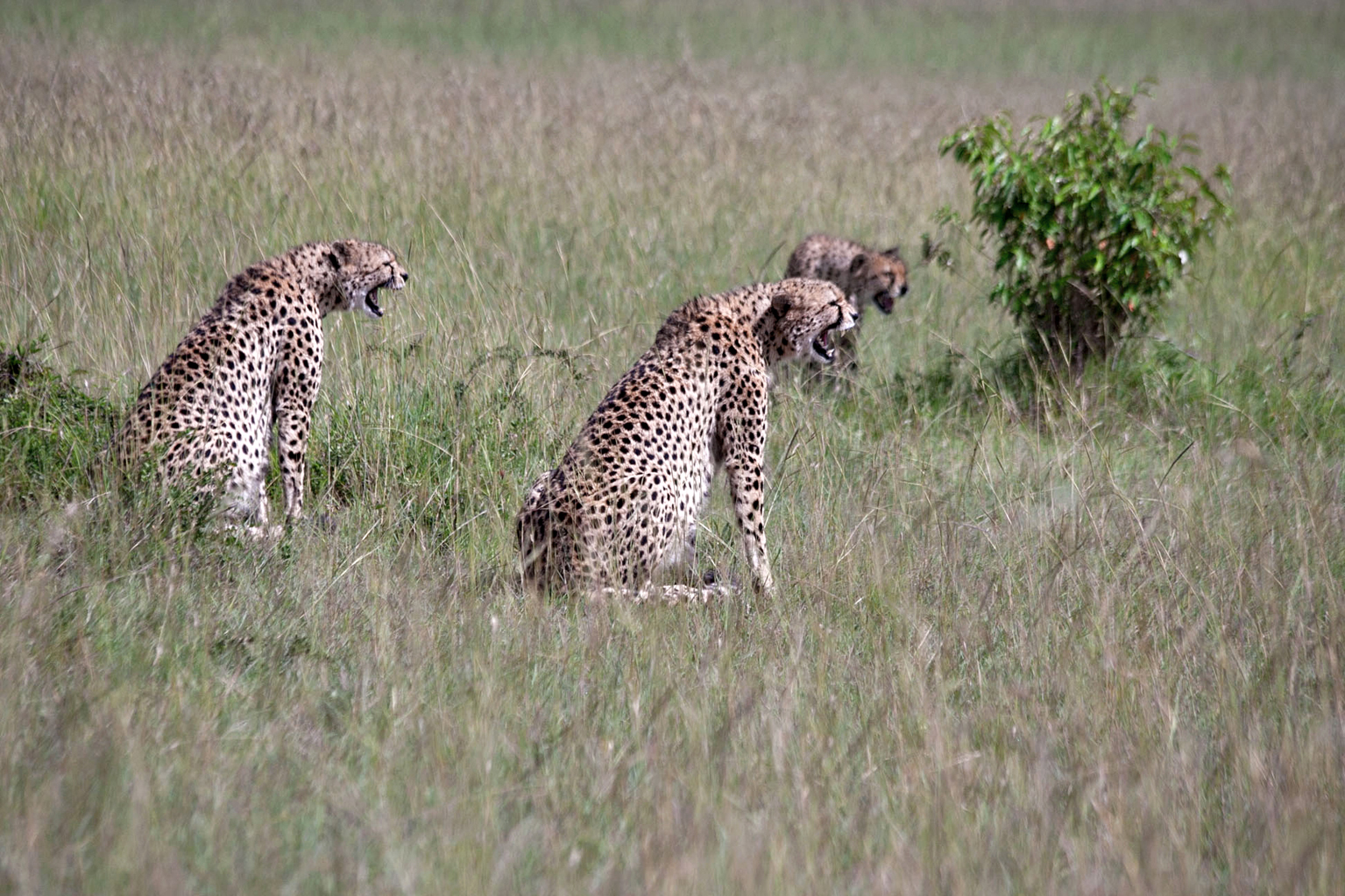
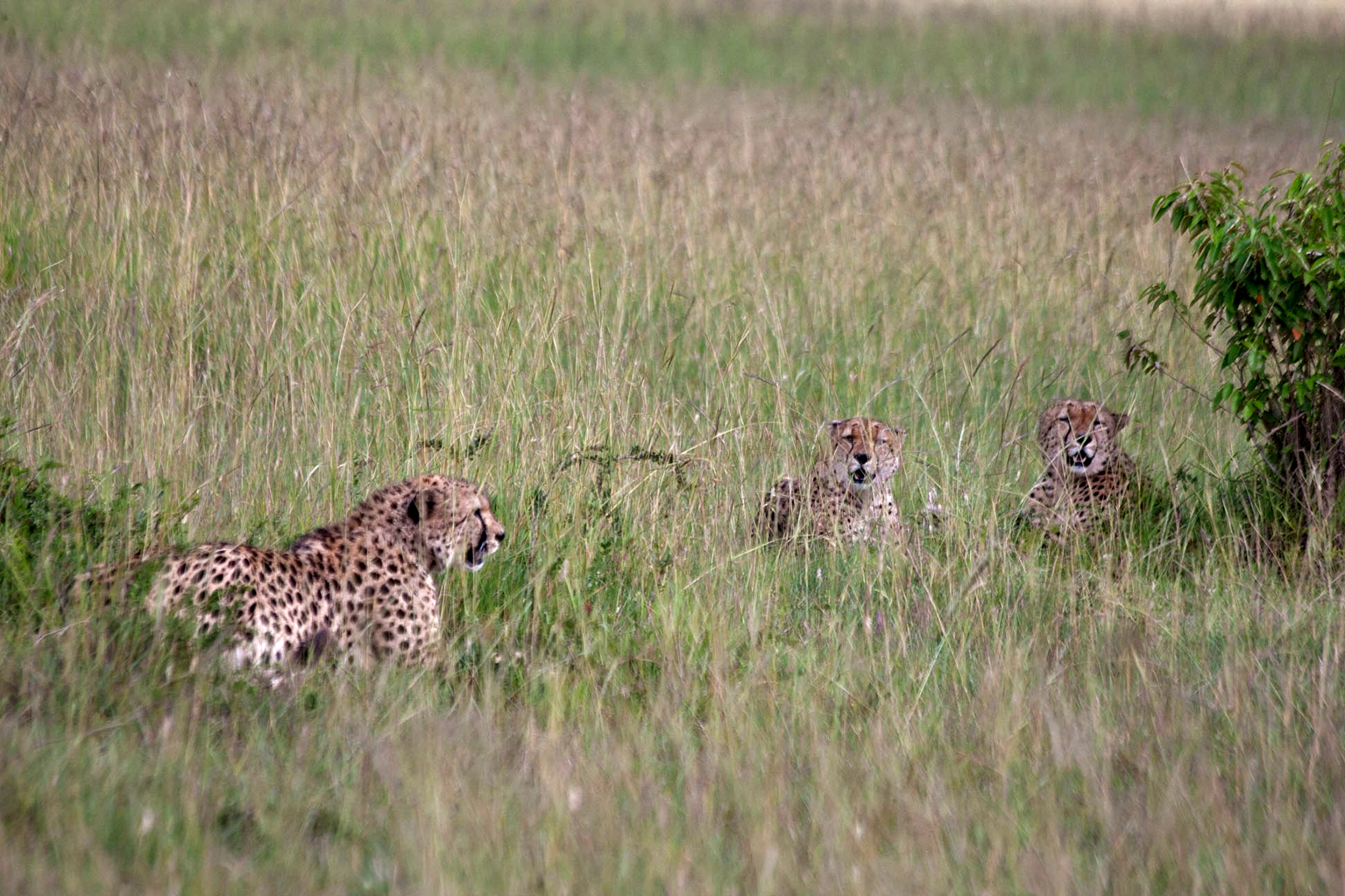
After watching them for a while we head out across the vast plains, towards the Talek area to see if we can find the coalition of three male cheetahs known as tatu bora. They are just off the main road in the shade of a clump of bushes, two other vehicles were watching them when we arrived, not that they were doing anything much or even looked likely to do anything. Their bellies looked quite full, so I guess they had eaten something either yesterday evening or early this morning.
They were just relaxing, it was a very peaceful scene, that is until two hyenas crossed the road and headed over towards the cheetahs. As the Hyena approached them, they jumped up out of the bush hissing and spitting. Cheetahs are afraid of Hyena because Hyena have very strong jaws that can seriously injure or kill them, so the cheetah would prefer to run. However, since there was no kill involved the Hyena paid the cheetahs little attention and just settled down in the recently vacated bush leaving the cheetah to just look on in disgust.
After this we headed back across the plains to the blackrock area as we wanted to see how the blackrock females were doing with their cubs. The driver chose to use the small roads that are just tracks of thick black mud filled with water, snaking across the ground ahead of us. It is really difficult to drive on these tracks as the back wheels keep losing traction and sliding first one side and then the other when the driver tries to correct the steering.
We came across the cubs first, they were hiding in bushes that surround the rock where we generally take breakfast, I call it our breakfast rock. Well, we could only see three of them, one of the older cubs looking after two of the smaller cubs, but we knew the others wouldn’t be too far away, just more carefully concealed. Alison said that the mothers would be somewhere in the area looking for a meal for the babies, that’s why they are alone. So, we start our search.
We eventually found them not too far from where they had hidden their cubs. Six females resting in the small amount of shade offered by a couple of bushes, since it was close to mid-day and the sun was directly overhead there was not much shade to be had. After looking around we could see that there was nothing much for them to eat, Alison pointed to a large herd of buffalo in the far distance saying he thought they might head off in their direction, and sure enough it wasn’t long before one of the females starts to move.
I found it hard to believe that they would travel all that way for a meal. The other females started to get up one by one and follow her lead. There was no track where they were headed so we had to go back and find one that would bring us out close to where we thought they would come out. We reached the main road just before they did. They crossed the main road, still heading towards the buffalo and stopped to rest on a couple of mounds that were located not far from the road, giving them a good view of the buffalo. The buffalo were still some distance away but were slowly making their way towards us and so closer to the waiting lions.
The only way to see a lion kill is to be very lucky and turn up at the right moment or very patient. The driver places our car near the start of the track so that when the lions do go in for the kill, we can follow them quickly. The only question now is will they make their move before the park closes and what to do while we wait, so we take lunch, then a short nap. After three hours of waiting Ken is a little skeptical that the lions will go for the buffalo, but Alison insists that they will, as he explains, they must because they have to feed their many cubs, a smaller animal won’t satisfy them, they need a buffalo. The buffalo who had been making their way in a single line had now bunched up and were sitting in the long grass, still what I thought of as quite a distance from the lions.
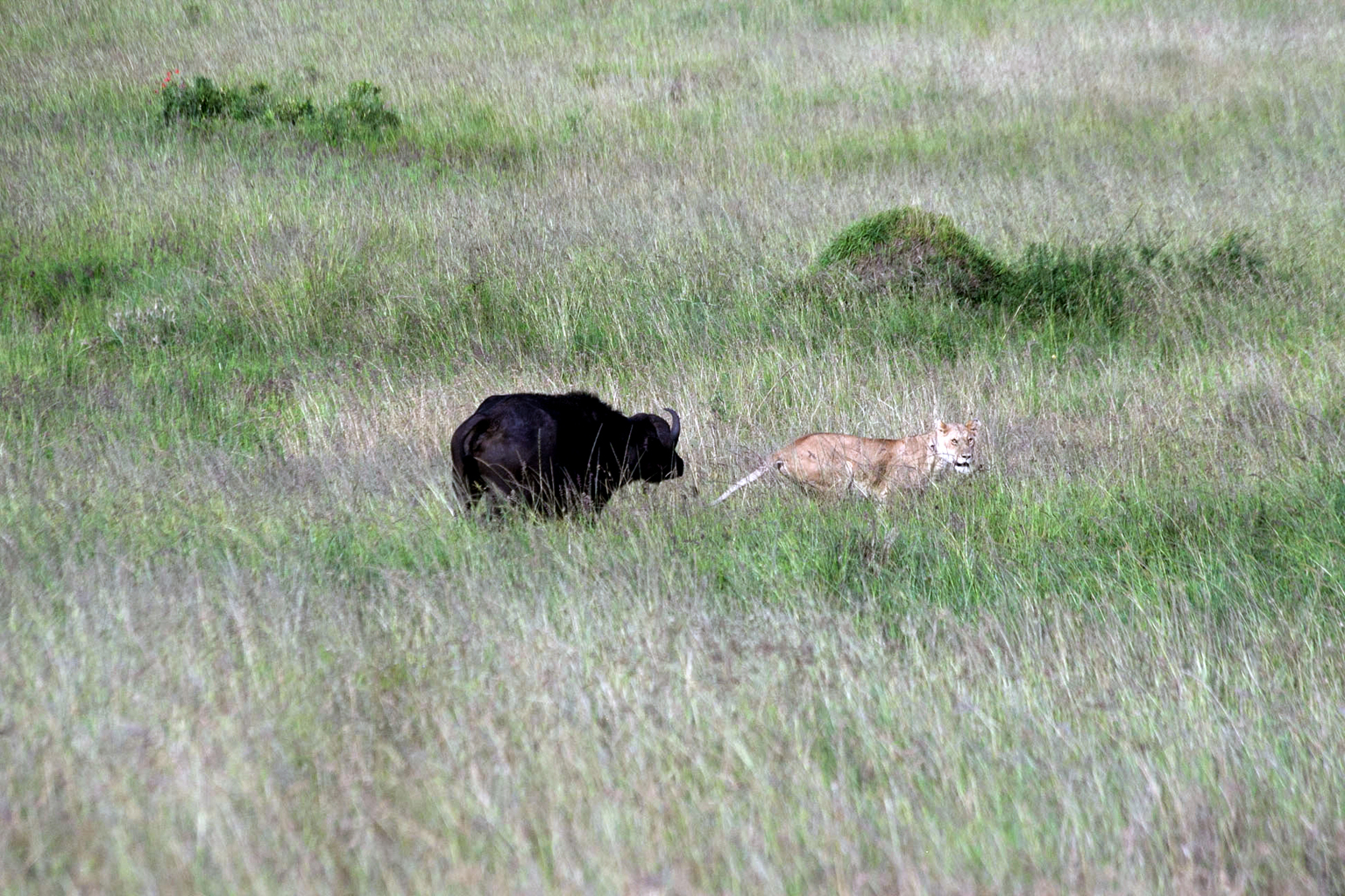
Just then Alison noticed a lone buffalo that was following the others but was way behind and seemed to be limping a little which meant he was injured and an easy target. “That is the one he is going for” he stated. The lions had also seen him and had now moved from their vantage point and hid in the long grass, we could no longer see them but could guess their general position.
Meanwhile a few vehicles had approached us to find out what we were looking at, when they were told there are 6 lions out there that may be going to hunt, but since they couldn’t see anything they continued on their way. It wasn’t until around 5 o’clock that first one vehicle, then another one decided to wait with us. We were the patient ones, and they are what I have called the lucky ones because after just 10 minutes the lions made their move.
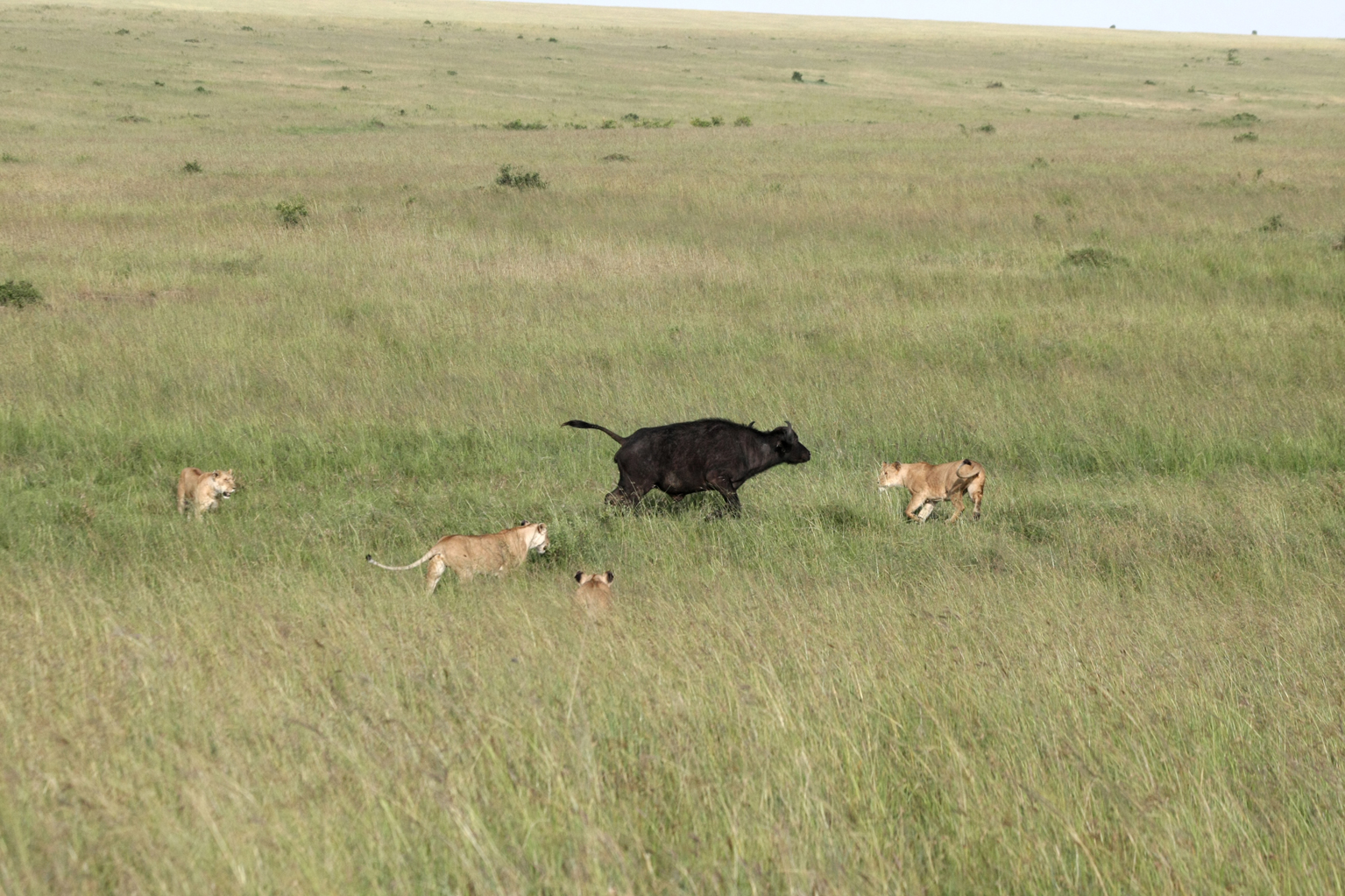
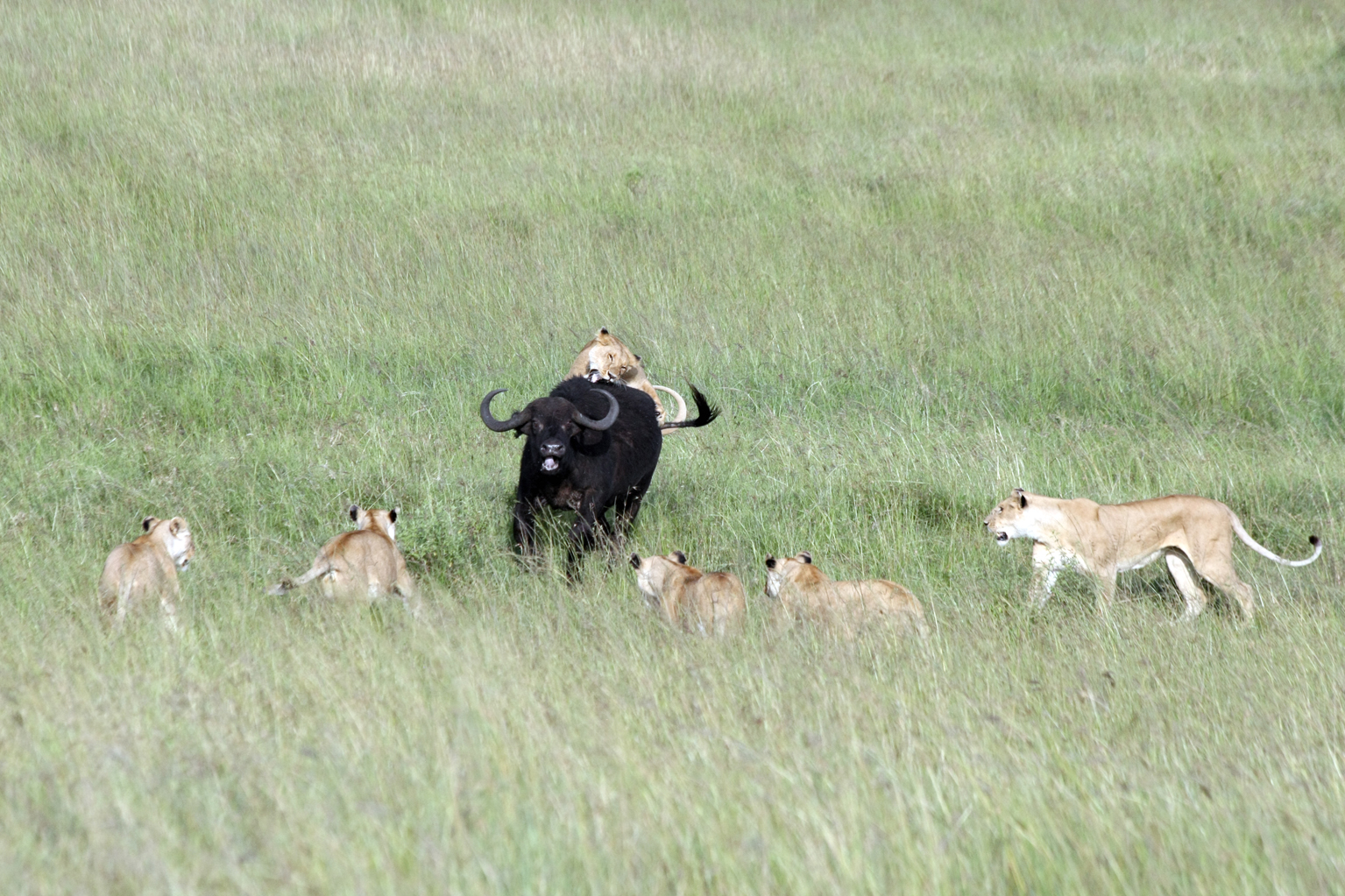
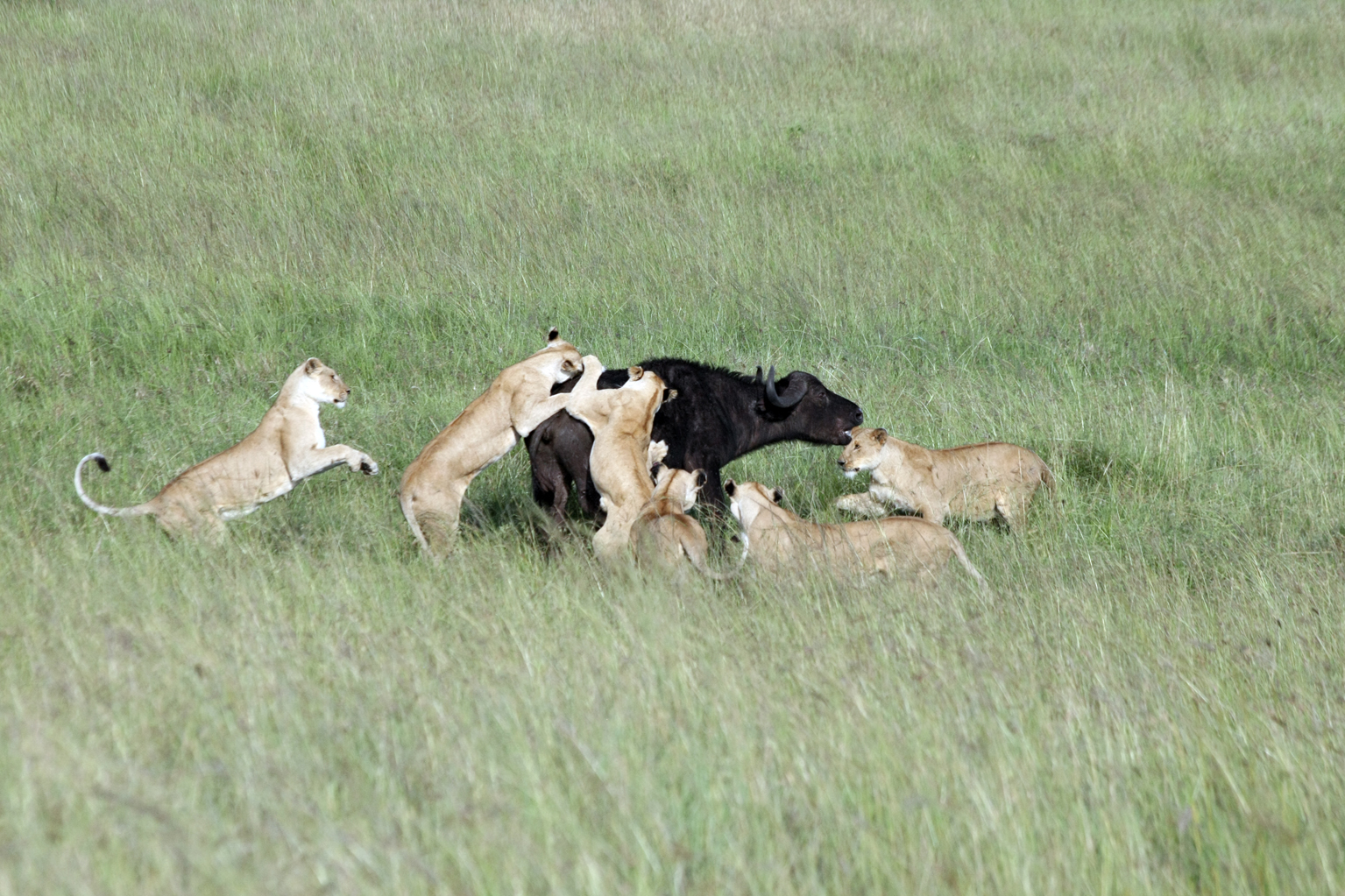
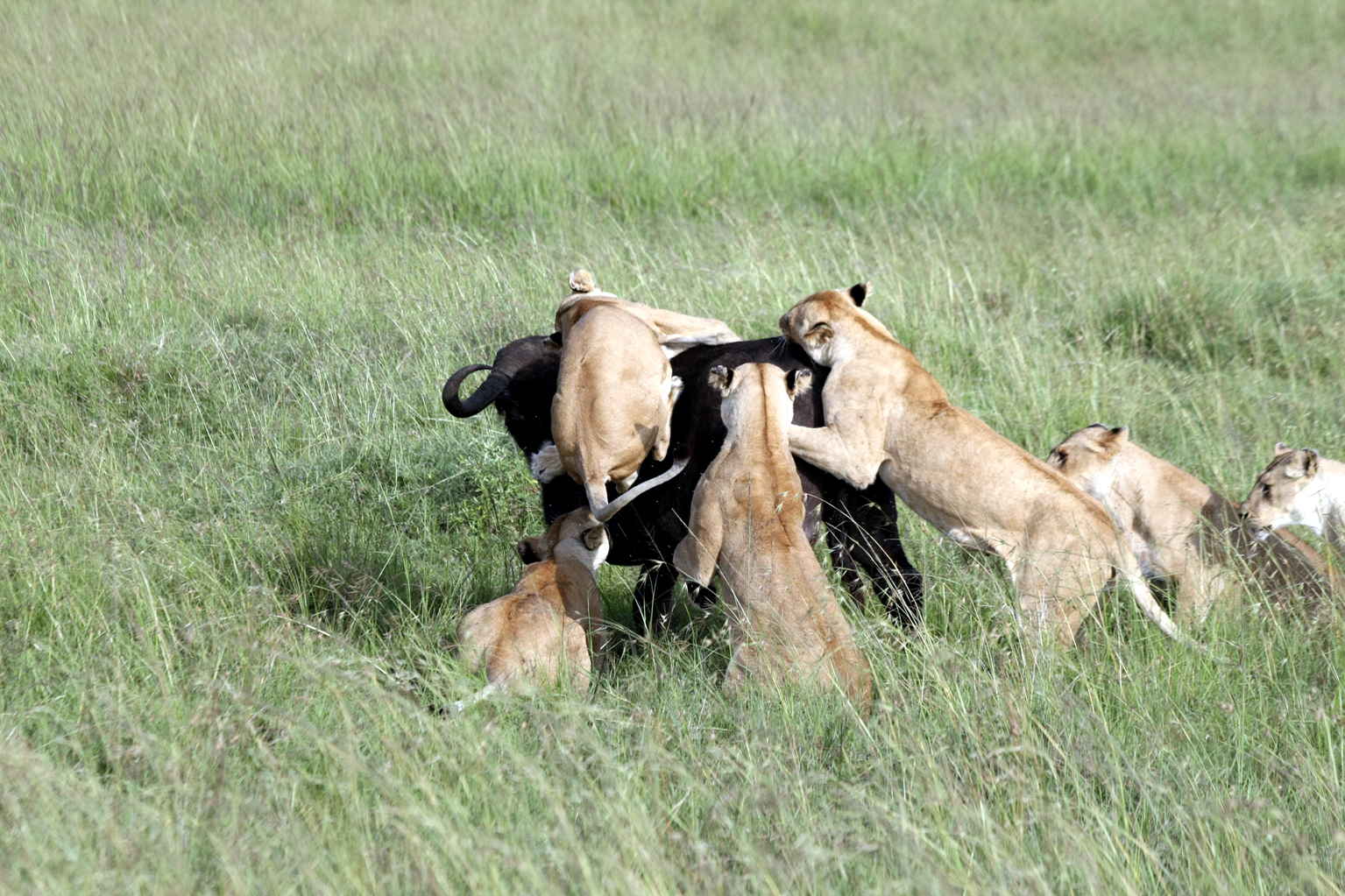
We saw one lion approach the injured buffalo, we raced down the track keeping pace with the other lions. I think lions are very smart, at least this group of females are. The first lion was keeping the buffalo’s attention while the other crept up alongside. A single lion is no match for a buffalo as they fight back and can cause serious damage, so at first, I think the buffalo wasn’t too concerned, but once the others arrived it was all over for him.
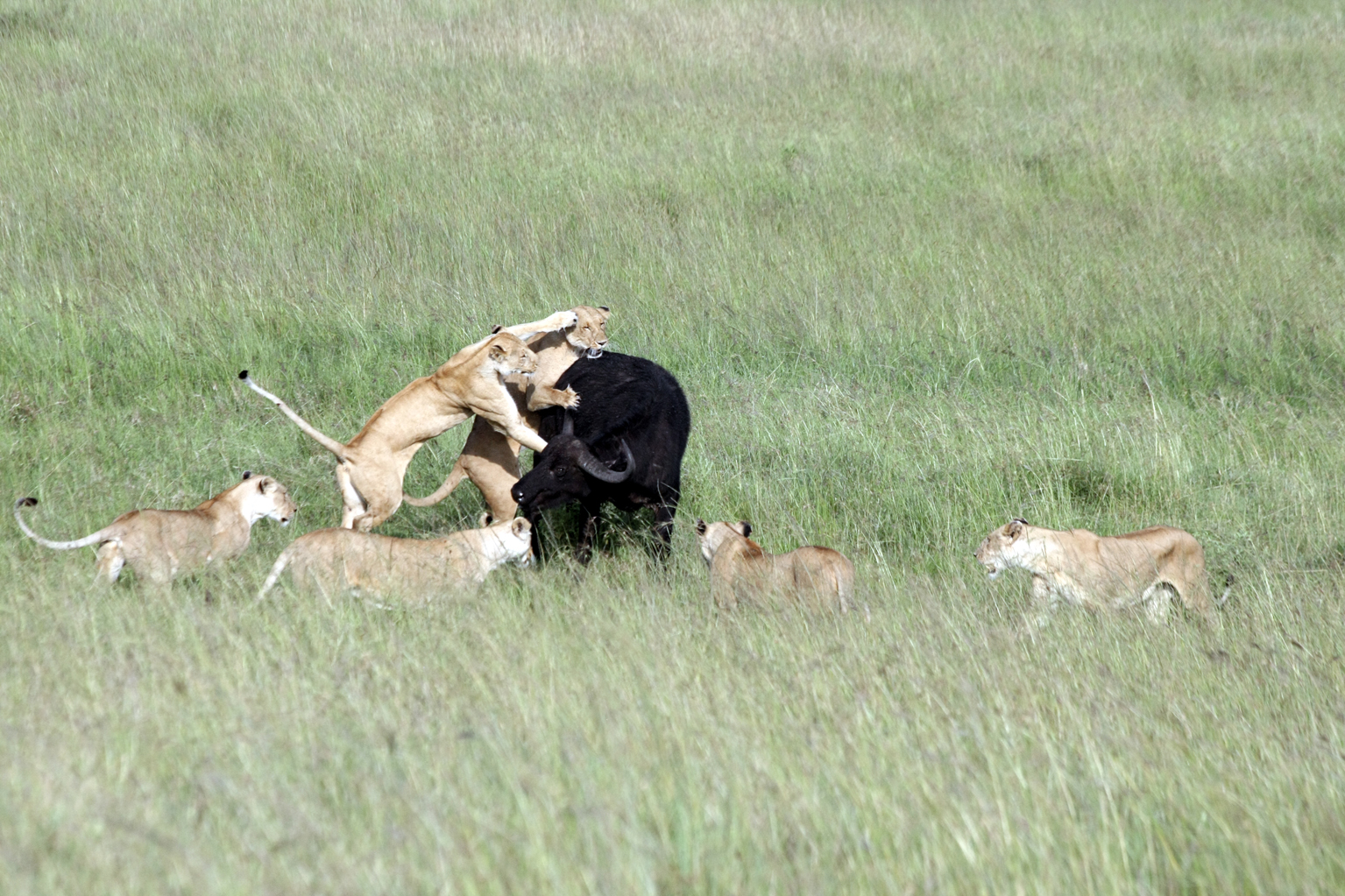
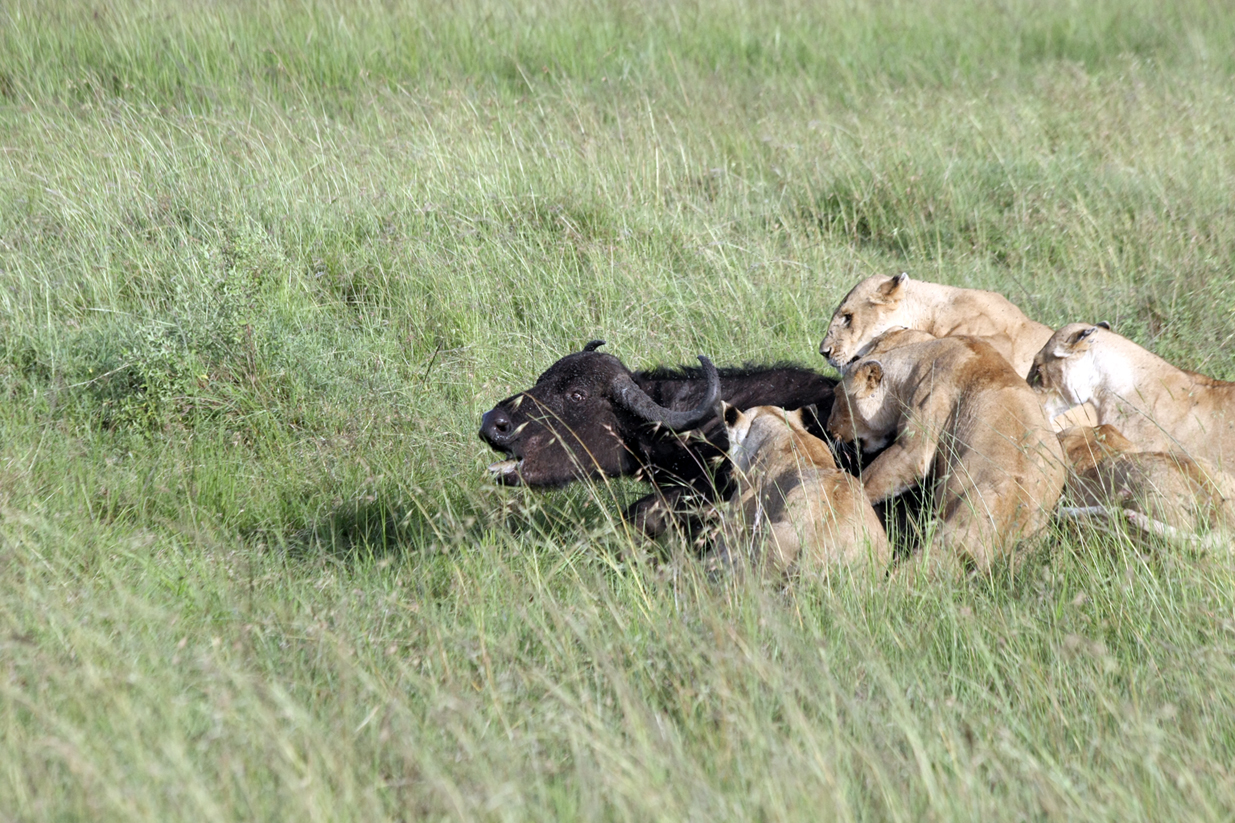
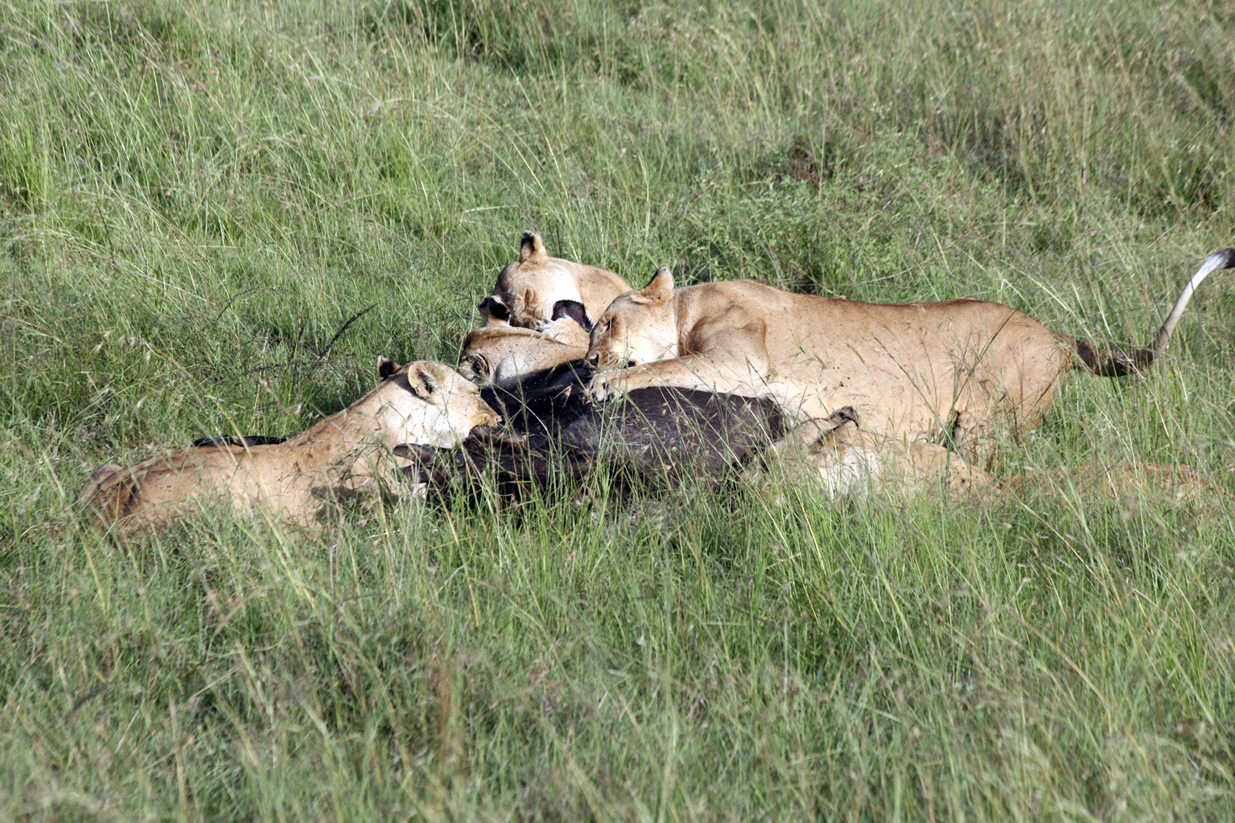
First one jumped on his back, then another from a different direction, very soon they were all over him, the buffalo didn’t know which way to turn. It was all over in a few minutes, they had him down and were already taking bites out of him before he stopped kicking and lay dead beneath them. These lions are savage killers.
Immediately he was dead two of the lions left the kill to go and get the cubs while the others continued to eat.
It was a long way back but there was enough meat on that buffalo for everyone. Considering the distance they had to travel they made it back surprisingly quickly, we had just got to the cubs in time to see the lions coming over the hill. The cubs had been waiting a long time but like us, their patience had now been rewarded.
They came out over the rock from all directions running straight to the sound of their mother’s call. They were so delighted, running and jumping all over the mothers. After much excitement the mothers then started to lead them towards the kill.
This is where we left them as we now had to rush to leave the park before it closed.